

Siding Materials Compared: Vinyl, Fiber Cement, Wood & More
May 14,2026
6 Minute Read
Siding materials play a major role in protecting your home while also shaping its appearance, energy efficiency, and long-term maintenance needs. With so many siding materials available today, homeowners in Grimes and surrounding areas often compare options like vinyl, fiber cement, wood, and engineered products to find the right balance of durability and cost. Understanding how each material performs can help you make a confident, long-term investment in your home’s exterior.
- Performance matters: Different siding materials handle weather, moisture, and wear differently.
- Cost vs value: Upfront pricing and long-term maintenance both impact overall cost.
- Curb appeal: Siding choice directly affects the look and resale value of your home.
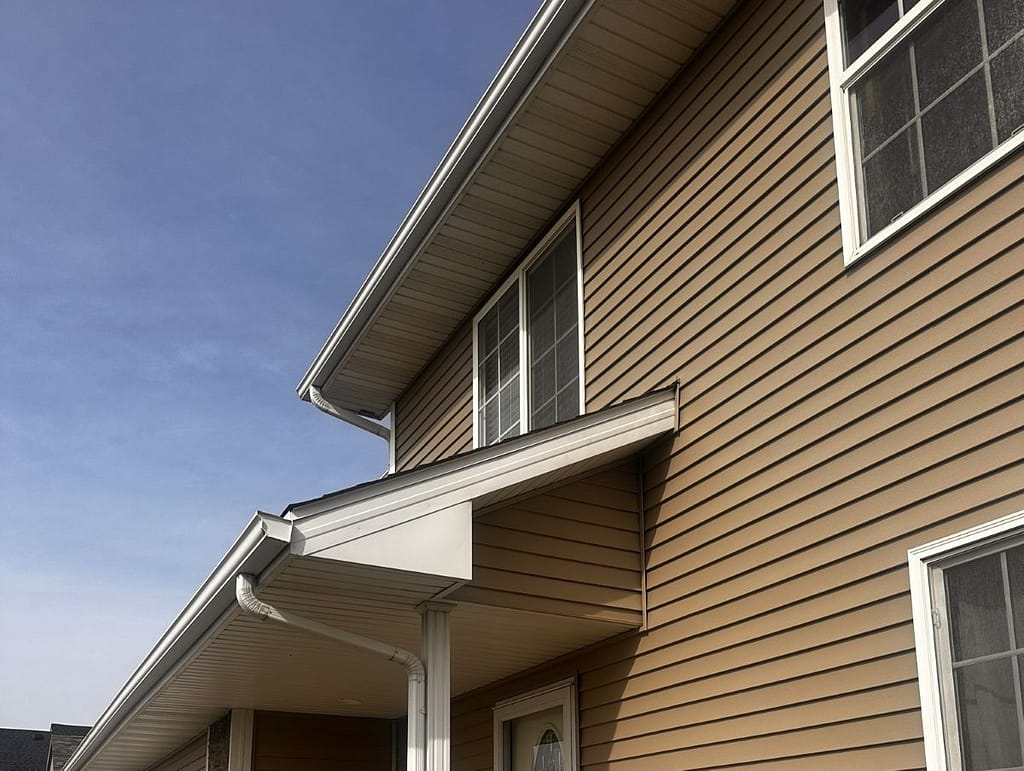
Why Choosing the Right Siding Material Matters
Your home’s siding is more than just a visual feature. It acts as a protective barrier against wind, rain, and temperature changes while also contributing to insulation and structural integrity. Choosing the right siding materials ensures your home performs well in Iowa’s changing seasons.
Homes in Grimes and surrounding areas experience everything from summer heat to winter snow, so siding must resist moisture, expansion, and weather-related stress. A poor choice can lead to higher maintenance costs, energy loss, and premature replacement.
Vinyl Siding: Affordable and Low Maintenance
Vinyl siding is one of the most widely used siding materials in the United States due to its affordability and ease of maintenance. It is made from PVC plastic and designed to resist moisture and fading over time.
Benefits of Vinyl Siding
Vinyl siding is popular for homeowners who want a cost-effective solution that still looks clean and modern. It performs well in many environments and requires minimal upkeep.
- Low maintenance: Does not require painting or sealing.
- Moisture resistance: Won’t rot or absorb water like wood.
- Cost-effective: One of the most affordable siding materials available.
- Wide color options: Available in many styles and finishes.
Drawbacks of Vinyl Siding
While vinyl siding is practical, it does have limitations that homeowners should consider.
- Lower durability: Can crack or warp in extreme temperatures.
- Less natural appearance: Does not fully replicate real wood.
- Limited lifespan: Typically lasts 20 to 30 years.
Fiber Cement Siding: Durable and Long-Lasting
Fiber cement siding is a high-performance option made from cement, sand, and cellulose fibers. It is known for its strength and ability to withstand harsh weather conditions.
Benefits of Fiber Cement Siding
Fiber cement siding is often chosen for its durability and long lifespan. It performs well in climates like Grimes and surrounding areas where weather conditions can be unpredictable.
- High durability: Resistant to moisture, insects, and fire.
- Long lifespan: Can last 30 to 50 years with proper care.
- Realistic appearance: Mimics wood grain and textures.
- Fire resistance: Non-combustible material adds protection.
Drawbacks of Fiber Cement Siding
Despite its strength, fiber cement comes with a few tradeoffs.
- Higher cost: More expensive than vinyl siding.
- Heavy material: Requires professional installation.
- Labor-intensive: Installation takes longer and costs more.

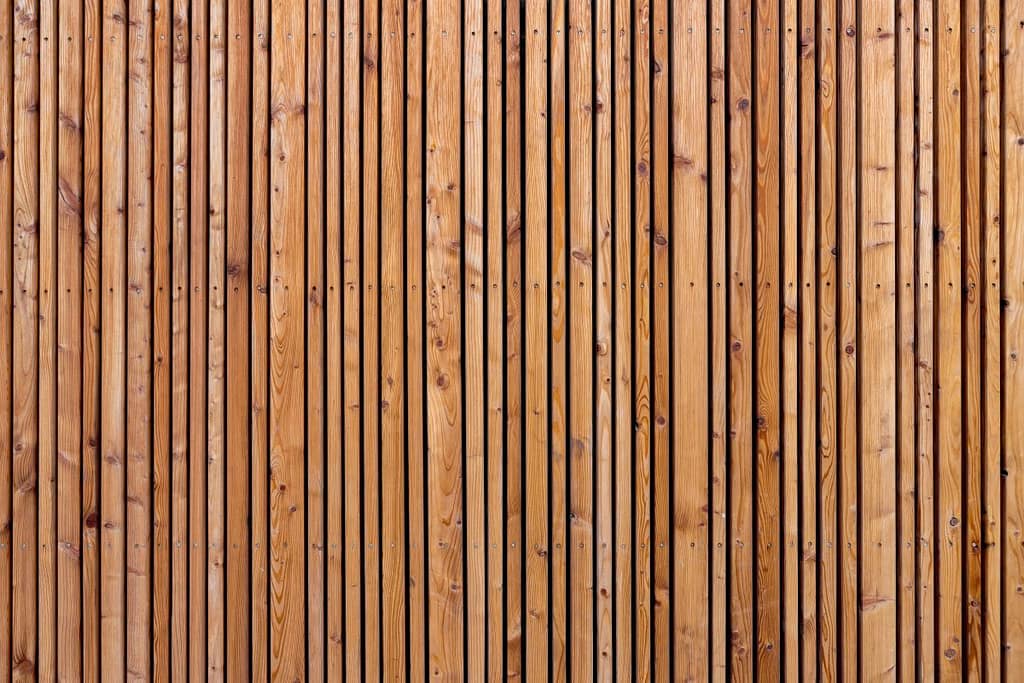
Wood Siding: Classic and Natural Appeal
Wood siding has been used for generations and remains one of the most attractive siding materials available. It offers a natural look that many homeowners prefer.
Benefits of Wood Siding
Wood siding provides unmatched character and customization options. It works well for traditional and historic homes.
- Natural appearance: Authentic wood grain and texture.
- Customizable: Can be painted or stained in any color.
- Strong curb appeal: Adds warmth and character to a home.
Drawbacks of Wood Siding
Wood siding requires more upkeep than most modern materials.
- High maintenance: Needs regular painting or staining.
- Moisture risk: Can rot or warp if not maintained.
- Pest vulnerability: Susceptible to insects.
Engineered Wood Siding: Modern Alternative to Wood
Engineered wood siding is made from wood fibers and bonding agents, offering the look of wood with improved durability.
Benefits of Engineered Wood Siding
Engineered wood siding combines the appearance of real wood with enhanced performance.
- Lower cost than wood: More affordable than natural wood siding.
- Improved durability: Treated to resist moisture and pests.
- Lighter weight: Easier and faster to install.
Drawbacks of Engineered Wood Siding
While engineered wood improves on traditional wood, it still requires some upkeep.
- Moderate maintenance: Needs periodic repainting.
- Moisture sensitivity: Can be affected if not properly sealed.
- Shorter lifespan than fiber cement: Typically lasts 20 to 30 years.
Metal Siding: Strong and Modern
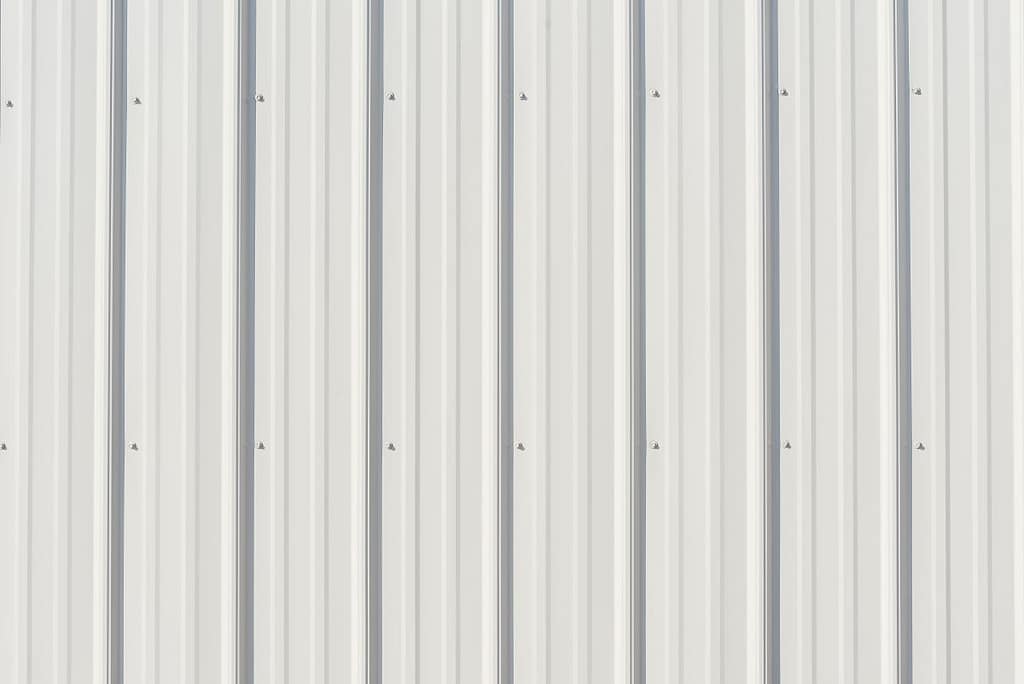
Metal siding, including aluminum and steel, is becoming more popular for modern homes and commercial properties.
Benefits of Metal Siding
Metal siding offers excellent durability and a sleek appearance.
- High durability: Resistant to fire, pests, and weather damage.
- Low maintenance: Requires minimal upkeep.
- Modern look: Popular for contemporary home designs.
Drawbacks of Metal Siding
Metal siding may not be ideal for every homeowner.
- Higher cost: More expensive than vinyl.
- Noise factor: Can be louder during rain or hail.
- Dent risk: Can be damaged by impact.
Comparing Siding Materials Side by Side
Choosing between siding materials becomes easier when comparing key factors like cost, durability, and maintenance.
| Material | Lifespan | Maintenance Level | Cost Range | Best For |
| Vinyl | 20–30 years | Low | Low | Budget-friendly homes |
| Fiber Cement | 30–50 years | Moderate | Medium–High | Long-term durability |
| Wood | 20–40 years | High | Medium–High | Classic, natural appearance |
| Engineered Wood | 20–30 years | Moderate | Medium | Wood look with lower cost |
| Metal | 40–70 years | Low | Medium–High | Modern and durable designs |
How to Choose the Right Siding for Your Home
Selecting the best siding materials depends on your priorities, budget, and long-term plans. Homeowners in Grimes and surrounding areas should consider how each option performs in local weather conditions.
- Budget considerations: Determine how much you want to invest upfront.
- Maintenance expectations: Decide how much upkeep you are willing to handle.
- Style preferences: Choose a material that fits your home’s design.
- Longevity goals: Consider how long you plan to stay in your home.
4 Common Mistakes When Choosing Siding Materials
Avoiding common mistakes can help ensure you choose the right siding materials for your home.
- Focusing only on price: Lower cost may lead to higher maintenance later.
- Ignoring climate needs: Not all materials perform equally in every environment.
- Overlooking installation quality: Poor installation can shorten lifespan.
- Choosing based on appearance alone: Performance matters as much as looks.
Make the Right Choice for Long-Term Protection
Siding materials vary widely in cost, durability, and maintenance, but the right choice depends on your specific needs. Homeowners in Grimes and surrounding areas benefit from selecting materials that balance performance, appearance, and long-term value.
At Heartland, we help homeowners compare siding materials and understand how each option performs in real-world conditions. If you are planning a siding upgrade, reach out today for a free estimate and get expert guidance on choosing the best solution for your home.

Get Started Today!
From roofing to siding, Heartland Roofing is the team you need to take your home exterior to the next level. All you need to do is reach out! Fill out our contact form or give us a call to get the reliable help that you need.


