

Engineered Wood Siding vs Fiber Cement: Which Is Better?
May 05,2026
5 Minute Read
Engineered wood siding vs fiber cement is one of the most common comparisons homeowners make when choosing a durable and attractive exterior. Both materials offer strong performance, but they differ in cost, maintenance, lifespan, and appearance. For homeowners in Cedar Rapids and surrounding areas, understanding these differences can help you choose the right siding for long-term value and protection.
- Material composition: Each option uses different base materials that impact durability and performance.
- Cost and installation: Upfront pricing and installation complexity vary between options.
- Long-term value: Lifespan and maintenance requirements affect overall investment.
What Is Engineered Wood Siding?
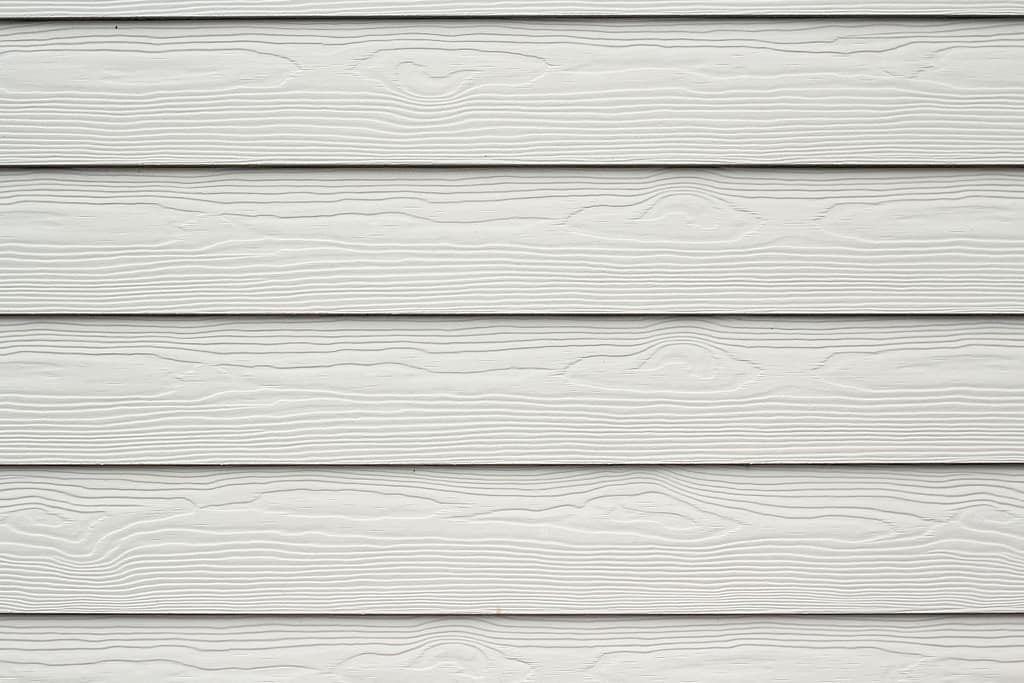
Engineered wood siding is made from wood based materials such as recycled wood fibers combined with a resin binder and protective coatings. It is designed to replicate the look of real wood while improving durability and reducing the maintenance required with traditional wood siding.
Composition And Performance
Engineered wood siding blends recycled wood strands with bonding agents to create a strong and stable product. This process results in a material that maintains the appearance of natural wood while offering better resistance to moisture and pests. For homes in Cedar Rapids and surrounding areas, this makes it a practical alternative to traditional wood siding.
- Recycled wood fibers: Uses processed wood materials to create strength and consistency.
- Resin binder: Holds fibers together and improves durability.
- Wood-based materials: Provides a more authentic wood look than synthetic options like vinyl siding.
Advantages Of Engineered Wood
Engineered wood siding offers a balance between appearance and performance, making it appealing for many homeowners.
- Lower cost: More affordable than many fiber cement products.
- Simpler installation engineered wood: Lightweight panels reduce labor time and complexity.
- Real wood appearance: Closely mimics natural wood without the same level of upkeep.
What Is Fiber Cement Siding?
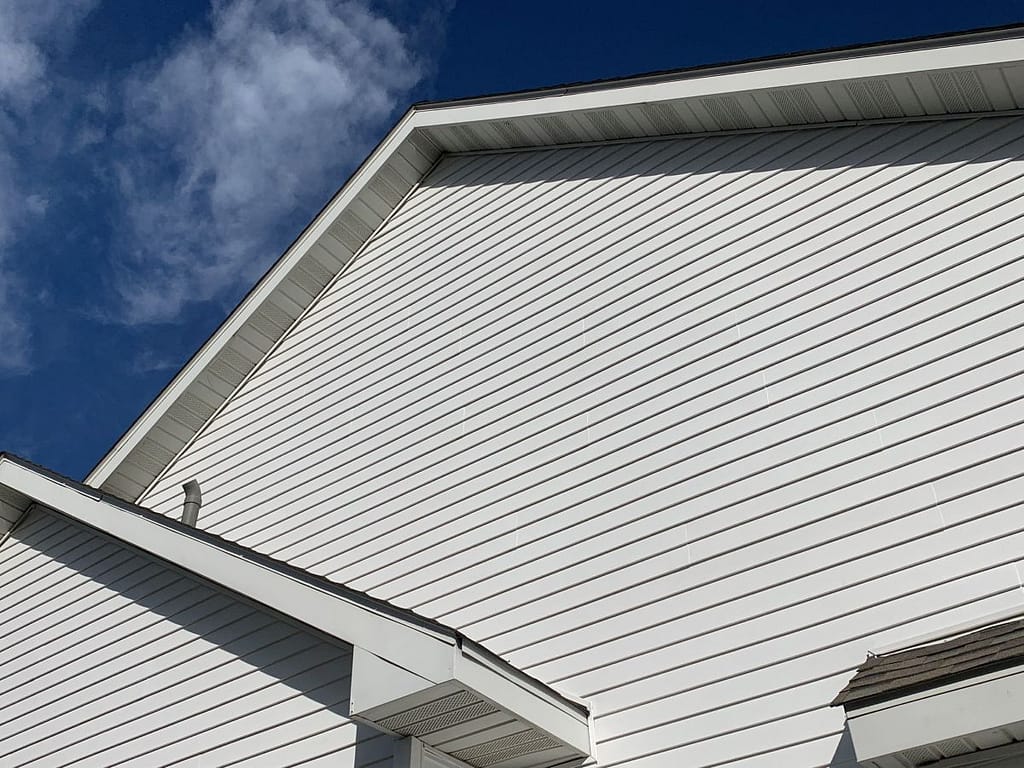
Fiber cement siding is made from a mixture of portland cement, sand, and cellulose fibers. This combination creates a dense, durable material known for its strength and fire resistant qualities.
Composition And Performance
Fiber cement products are manufactured by combining portland cement with cellulose fibers and sand to form rigid boards. This process produces a material that resists moisture, insects, and extreme weather conditions. Fiber cement and engineered materials differ significantly in density and weight, which affects installation and performance.
- Portland cement base: Provides strength and long-term durability.
- Cellulose fibers: Add flexibility and reduce cracking.
- Fiber cement products: Engineered for stability in harsh environments.
Advantages Of Fiber Cement
Fiber cement siding is widely chosen for its long lifespan and resistance to environmental damage.
- Fire resistant qualities: Non-combustible composition adds protection.
- Long lifespan: Often lasts 30 to 50 years with proper maintenance.
- Durability: Performs well in moisture-heavy and storm-prone climates.
3 Key Differences Between Engineered Wood And Fiber Cement
When comparing cement and engineered wood siding, the differences become clear in cost, durability, and maintenance requirements. Both fiber cement and engineered options have strengths depending on homeowner priorities.
1. Cost Comparison
Engineered wood siding is typically more affordable upfront, while fiber cement requires a higher initial investment due to material weight and installation complexity.
- Engineered wood: Lower initial cost and easier installation.
- Fiber cement: Higher upfront investment with longer lifespan.
- Labor impact: Heavier fiber cement materials increase installation time.
2. Durability And Lifespan
Fiber cement siding generally offers greater durability over time, especially in harsh weather conditions common in Cedar Rapids and surrounding areas.
- Fiber cement lifespan: 30 to 50 years.
- Engineered wood lifespan: 20 to 30 years.
- Weather resistance: Fiber cement performs better against moisture and impact.
3. Maintenance Requirements
Maintenance needs differ based on how each material responds to moisture and environmental exposure.
- Engineered wood: Requires periodic repainting and inspection.
- Fiber cement: Lower maintenance but still benefits from occasional upkeep.
- Moisture resistance: Fiber cement holds up better in wet climates.
Which Siding Is Better for Your Home?
Choosing between fiber cement and engineered wood siding depends on your goals, budget, and long-term expectations. Both materials offer advantages, but the right choice depends on how you prioritize cost, appearance, and durability.
Choose Engineered Wood If:
Engineered wood siding is a strong choice for homeowners who want the look of real wood at a more affordable price point.
- Budget-friendly: Lower upfront investment compared to fiber cement.
- Natural appearance: Mimics real wood and traditional wood siding styles.
- Easier installation: Faster installation engineered wood process.
Choose Fiber Cement If:
Fiber cement siding is ideal for homeowners focused on long-term durability and performance.
- Long-term value: Extended lifespan reduces replacement frequency.
- Fire resistant qualities: Adds an extra layer of safety.
- Weather durability: Performs well in extreme conditions.
Common Mistakes When Choosing Siding
Homeowners comparing fiber cement and engineered siding options should avoid focusing on just one factor. A balanced approach leads to better long-term results.
- Focusing only on cost: Lower price may not equal better long-term value.
- Ignoring maintenance needs: Some materials require more upkeep than expected.
- Overlooking installation quality: Proper installation is critical for both options.
- Choosing based on appearance alone: Performance should match your climate.
Making the Right Choice for Long-Term Value
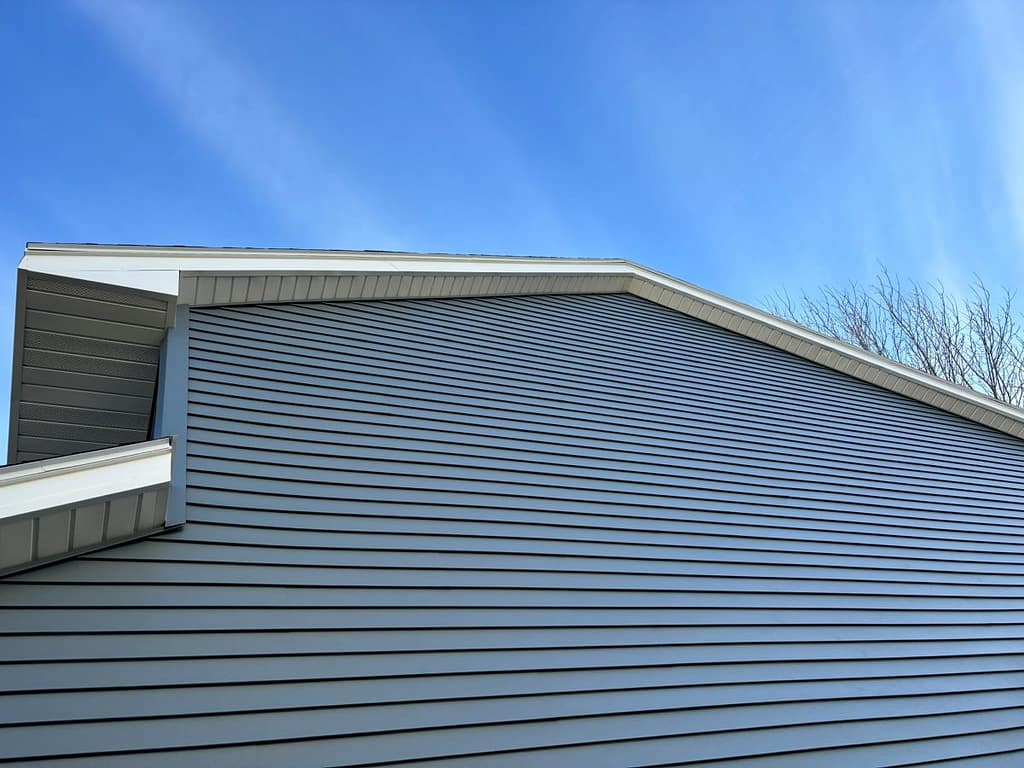
Engineered wood siding vs fiber cement is not about which material is universally better, but which is better for your home. Both fiber cement and engineered wood options provide strong performance when installed correctly and maintained over time. Homeowners in Cedar Rapids and surrounding areas should consider climate, budget, and long-term goals before making a decision.
At Heartland, we help homeowners compare siding materials and understand how cement and engineered wood options perform in real-world conditions. If you are planning a siding project, reach out today for a free estimate and get expert guidance on choosing the right solution for your home.

Get Started Today!
From roofing to siding, Heartland Roofing is the team you need to take your home exterior to the next level. All you need to do is reach out! Fill out our contact form or give us a call to get the reliable help that you need.


