

Hail Damage Roof: What Insurers Check & What to Document
August 07,2026
12 Minute Read
A hail damage roof claim often comes down to a single question: does the damage meet the insurer’s threshold for replacement, and can you prove it? Understanding exactly what an adjuster looks for, and documenting the damage thoroughly before they arrive, can be the difference between a full roof replacement and a denied claim. This guide walks through what insurers check during a hail inspection, what you should document yourself, and how to support a fair payout.
Here is what you will learn:
- What insurers check: The specific things an adjuster evaluates on your roof.
- What to document: The evidence you should gather before the adjuster arrives.
- How to support your claim: Steps that help you secure a full, fair outcome.
How Insurance Adjusters Evaluate a Hail Damage Roof
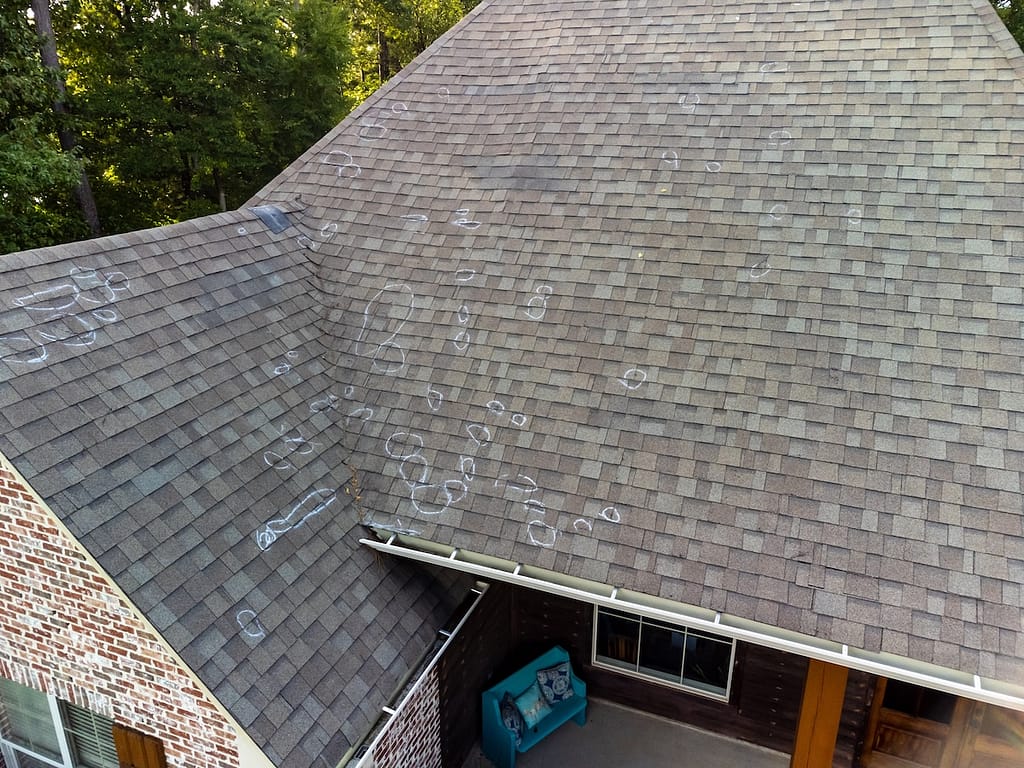
An insurance adjuster’s inspection is a structured, technical process, not a casual look, and knowing how it works helps you understand the outcome. The goal is to tie damage to a specific storm and measure whether it meets replacement thresholds.
The Test Square Method Explained
Adjusters use a standardized test square to measure hail damage density on each slope of your roof. According to the International Association of Certified Home Inspectors, adjusters mark off a 10-foot by 10-foot test area of 100 square feet on each roof slope, then count the hail strikes inside it, with eight hits being a common threshold for qualifying that slope for replacement. This method keeps the assessment consistent regardless of the roofing material, and adjusters place test squares in the most damaged areas of each slope. Understanding this process shows why thorough documentation and a knowledgeable contractor on site can matter so much for homeowners across Grimes and surrounding areas.
- Standard method: A 10-by-10-foot, 100-square-foot test square per slope.
- Counting hits: The adjuster counts qualifying hail strikes inside the square.
- Common threshold: Around eight hits often qualifies a slope for replacement.
- Consistent measure: The method is the same across roofing materials.
Functional Versus Cosmetic Damage
Adjusters distinguish between functional damage, which compromises the roof’s ability to shed water, and cosmetic damage, which only affects appearance. This distinction is central to a claim, because many policies cover functional damage but exclude damage deemed purely cosmetic. Functional hail damage includes bruising that fractures the shingle mat and significant granule loss that exposes the asphalt, while a superficial mark that does not affect performance may be classified as cosmetic. Knowing the difference helps you understand why an adjuster may approve or deny specific damage.
- Functional damage: Compromises the roof’s ability to shed water.
- Cosmetic damage: Affects only appearance and may be excluded.
- What qualifies: Mat fractures and heavy granule loss count as functional.
- Why it matters: Coverage often hinges on this classification.
6 Things Insurers Check on a Hail Damage Roof
The items below are what an adjuster evaluates during a hail inspection. This section introduces them, then breaks each one down so you know exactly what will be assessed.
1. Shingle Bruising and Granule Loss
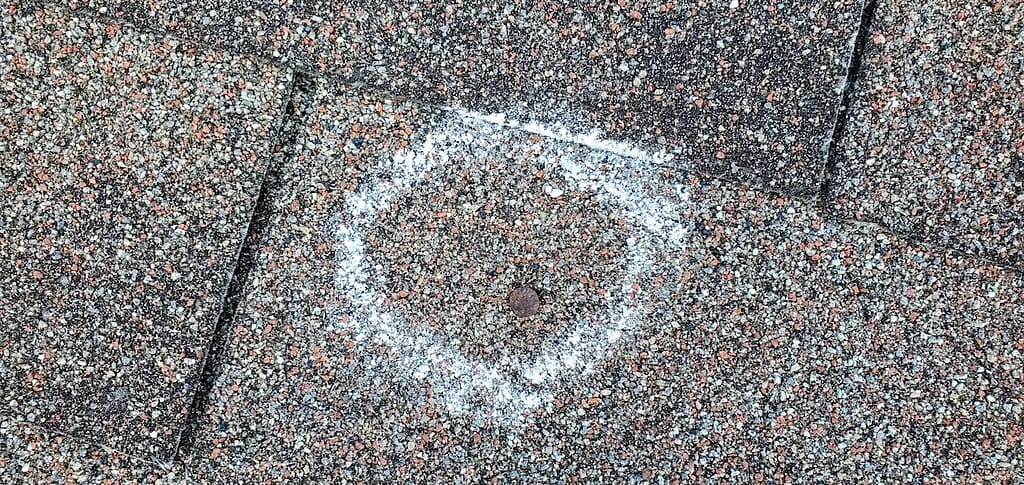
The primary thing an adjuster checks is bruising and granule loss on the shingles themselves, since these are the clearest signs of functional hail damage. Bruising appears as soft, dented spots where hail has fractured the shingle mat, and granule loss exposes the asphalt underneath to the elements. Adjusters look for fresh, randomly distributed impacts rather than the uniform pattern of normal aging. This is the core evidence that determines whether a slope qualifies for replacement.
- Bruising: Soft, dented spots where the mat is fractured.
- Granule loss: Exposed asphalt where hail stripped the surface.
- Random pattern: Fresh, scattered impacts, not uniform wear.
- Core evidence: This drives the slope’s qualification for replacement.
2. Soft Metal Components
Adjusters closely inspect soft metal components like gutters, downspouts, vents, and flashing because dents there confirm a hail event and its severity. These surfaces dent visibly, providing hard evidence that hail large enough to damage shingles actually struck the property. The size and density of dents also help establish the size of the hail and the date of the storm. Because this evidence is difficult to dispute, it strongly supports the shingle damage findings.
- What they check: Gutters, downspouts, vents, and flashing.
- Why it matters: Dents confirm a hail event occurred.
- Storm severity: Dent size helps establish hail size and date.
- Hard evidence: Difficult for an insurer to dispute.
3. Damage Across Multiple Slopes
An adjuster evaluates damage separately on each slope, since storms usually strike some sides of a roof harder than others. They perform test squares on multiple slopes because wind direction during the storm affects where hail hits hardest. The distribution of damage across slopes helps determine whether individual slopes or the entire roof qualify for replacement. This slope-by-slope approach ensures the assessment reflects the true pattern of the storm.
- Slope by slope: Each roof face is evaluated separately.
- Wind matters: Storm direction concentrates damage on some slopes.
- Distribution: Determines partial versus full replacement.
- Accurate picture: Reflects how the storm actually hit.
4. Ridge Caps and Hips
Adjusters pay special attention to ridge caps and hip shingles because these peak areas are highly exposed and often show clear hail impact. Damage here is significant because it confirms roof-wide exposure to the storm and because these components are critical to keeping water out at the roof’s most vulnerable lines. Compromised ridge and hip shingles frequently need replacement even when other areas show less damage. Their condition is a strong indicator of overall storm impact.
- Highly exposed: Peak areas take direct hail impact.
- Confirms exposure: Damage here signals roof-wide impact.
- Critical components: They seal the roof’s most vulnerable lines.
- Strong indicator: Their condition reflects overall storm severity.
5. Roof Age and Overall Condition
Adjusters assess the roof’s age and general condition to separate storm damage from normal wear and tear. They note existing granule loss from aging, prior repairs, and maintenance issues, because insurers pay for sudden storm damage, not gradual deterioration. The age of the roof also factors into decisions, since older roofs are sometimes handled differently and may involve depreciation on certain policies. This assessment is why documenting that damage is fresh and storm-related is so important.
- Age assessment: Older roofs may be evaluated differently.
- Wear vs. storm: Adjusters separate aging from sudden damage.
- Existing issues: Prior wear and repairs are noted.
- Your defense: Documentation showing fresh damage helps here.
6. Interior and Attic Water Intrusion
Adjusters also check for interior signs of water intrusion, such as ceiling stains and attic leaks, that confirm the roof has been breached. Interior damage demonstrates that hail or accompanying wind compromised the roof enough to let water in, strengthening the case for replacement. This step connects the roof-surface findings to real consequences inside the home. Documenting any interior damage yourself gives the adjuster a complete picture.
- What they check: Ceiling stains and attic moisture.
- What it shows: The roof has been breached by the storm.
- Connects the dots: Links surface damage to interior consequences.
- Document it: Interior evidence completes the claim picture.
What You Should Document Before the Adjuster Arrives
Your own documentation creates an independent record that can support your claim if the adjuster’s findings are incomplete. Gathering it before the inspection puts you in a stronger position.
Photograph All Visible Damage
Take clear photos and videos of every sign of damage you can safely capture, from the roof to the ground-level evidence. Document dented gutters and downspouts, damaged window screens, marks on outdoor equipment, and any interior stains, since these collateral signs support the storm claim. Do not climb onto the roof if it is unsafe; ground-level and interior photos are valuable on their own. Having your own record independent of the adjuster protects you if their scope misses something.
- Photograph everything: Roof, gutters, screens, and interior stains.
- Collateral evidence: Ground-level damage supports the claim.
- Stay safe: Do not climb an unsafe roof for photos.
- Independent record: Your documentation backs up the adjuster’s.
Record the Storm Details
Pull and record the specifics of the storm that caused the damage, since tying the damage to a documented event is essential. Look up the storm date, hail size, and peak wind speeds through the National Weather Service or local weather records. Note when you first noticed the damage and keep any related communications. This storm data helps establish the date of loss and prevents the insurer from reclassifying clear storm damage as gradual wear.
- Storm date: Record the exact date of the event.
- Storm data: Note hail size and wind speeds from weather records.
- Date of loss: Documentation ties damage to a specific storm.
- Prevents disputes: Fresh evidence resists a wear-and-tear reclassification.
Get an Independent Inspection
Have a licensed local roofing contractor inspect and document the damage before the adjuster arrives, so you have a professional record on your side. A reputable contractor inspects to the same test-square standard an adjuster uses, ensuring every qualifying hit is found and documented. Many contractors will also meet the adjuster on site to make sure nothing is overlooked. This independent, professional documentation is one of the strongest tools a homeowner has.
- Professional record: A contractor documents damage independently.
- Same standard: Reputable contractors use the adjuster’s test-square method.
- On-site support: Many will meet the adjuster to advocate for you.
- Strong leverage: Professional documentation strengthens your claim.
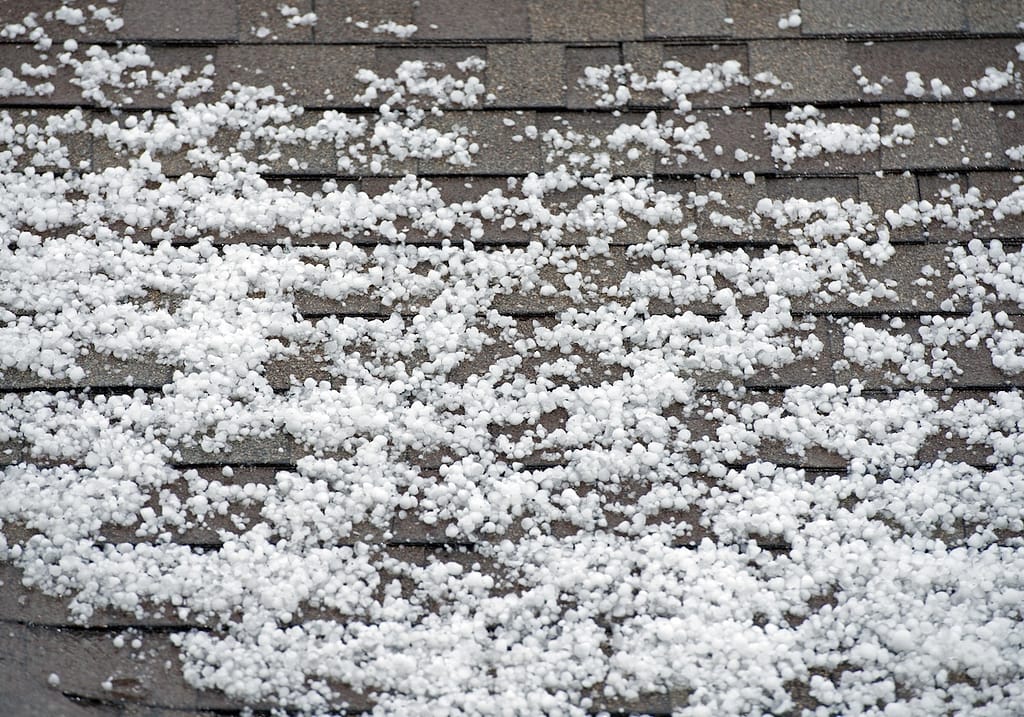
How to Support a Full, Fair Claim
Beyond documentation, a few steps help ensure your hail claim results in a complete and fair outcome. Knowing them keeps you from settling for less than you are owed.
Have Your Contractor Meet the Adjuster
Arranging for your roofing contractor to be present during the adjuster’s inspection helps ensure the full scope of damage is captured. The adjuster works for the insurer, so a knowledgeable contractor on your side can point out qualifying damage and discuss the proper scope in the same technical language. If the adjuster’s initial findings are incomplete, your contractor can file a supplement with supporting evidence. This teamwork often turns a partial approval into a full, fair settlement.
- Be there together: Have your contractor meet the adjuster on site.
- Advocate for scope: Your contractor points out qualifying damage.
- File supplements: Incomplete findings can be corrected with evidence.
- Fair outcome: Teamwork supports a complete settlement.
Review the Settlement Carefully
Before accepting any settlement, review it closely to confirm the scope, deductible, and payment basis are correct and complete. Check whether the payment reflects actual cash value or replacement cost, and whether the scope covers all qualifying slopes and components. If something is missing or undervalued, your contractor can help document and request a supplement. Never assume the first offer is the final word on your claim.
- Check the scope: Confirm all qualifying damage is included.
- Payment basis: Know whether it is actual cash value or replacement cost.
- Question gaps: Missing items can be supplemented with evidence.
- Not final: The first offer is rarely the last word.
Frequently Asked Questions
How many hail hits are needed for a roof replacement?
Many insurers use a threshold of roughly eight to ten qualifying hits within a 10-by-10-foot test square to approve replacement of a slope, though the exact number varies by carrier. The hits must be functional damage that compromises the roof, not cosmetic marks. A professional inspection helps ensure every qualifying hit is documented.
What is the difference between functional and cosmetic hail damage?
Functional damage compromises the roof’s ability to shed water, such as bruising that fractures the shingle mat, while cosmetic damage only affects appearance. Many policies cover functional damage but exclude purely cosmetic damage. This distinction often determines whether a claim is approved.
Should I document hail damage before the adjuster comes?
Yes. Documenting all visible damage with photos and videos, recording the storm details, and getting an independent contractor inspection all create a record that supports your claim. This independent evidence protects you if the adjuster’s findings are incomplete. It is one of the most valuable things you can do.
Can I be present during the adjuster’s inspection?
Yes, and it is a good idea to have your roofing contractor there too. A knowledgeable contractor can point out qualifying damage and discuss the proper scope with the adjuster. This helps ensure nothing is overlooked and supports a complete settlement.
Will the adjuster check more than just the shingles?
Yes. Adjusters check soft metal components like gutters and vents, ridge caps and hips, multiple slopes, the roof’s age and condition, and interior water intrusion. All of these factor into the damage assessment. Documenting each of these areas yourself gives a complete picture.
What if I disagree with the adjuster’s findings?
If you believe the assessment is incomplete or unfair, your contractor can file a supplement with additional documentation. Your policy may also include an appraisal process to resolve disputes over the amount. A first assessment is not always the final outcome.
Why Heartland Is a Smart Choice for Your Hail Damage Roof Claim
When hail hits, you want a roofing partner who inspects to the same standard as the adjuster, documents every qualifying bit of damage, and guides you through the claim without pressure or storm-chaser tactics. Heartland Roofing, Siding & Solar helps homeowners across Grimes and surrounding areas document hail damage thoroughly, meet with adjusters, and pursue full, fair claims, all backed by an A+ BBB rating and honest, educational guidance. As a rooted local company that knows Iowa hail and how carriers evaluate it, Heartland makes sure nothing that should count gets missed. Reach out to Heartland today for a free inspection and expert guidance on your roofing project.

Get Started Today!
From roofing to siding, Heartland Roofing is the team you need to take your home exterior to the next level. All you need to do is reach out! Fill out our contact form or give us a call to get the reliable help that you need.


