

Hail Damage Roof Repair (How to Spot It & What Happens Next)
July 13,2026
13 Minute Read
Hail damage roof repair often starts with a problem you cannot even see from the ground, which is exactly what makes it so easy to overlook until a small bruise turns into a leak months later. A single storm can quietly compromise your roof’s protective layer, shortening its life even when no shingles are obviously missing. This guide walks through how to spot hail damage, what the repair and insurance process looks like, and how to choose a contractor you can trust.
Here is what you will learn:
- The warning signs: The specific marks and symptoms that point to hail damage on your roof.
- What happens next: The step-by-step process from inspection through repair and insurance claim.
- How to choose: What to look for in a contractor so the job is done right and your claim goes smoothly.
Why Hail Damage Is Easy to Miss
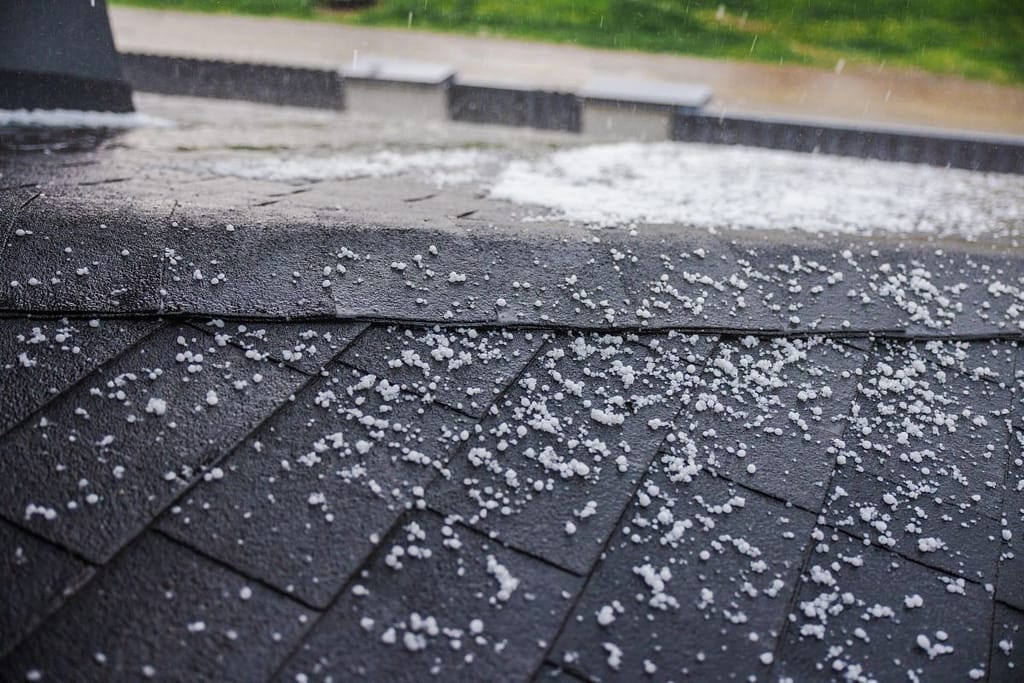
Hail damage rarely looks dramatic from the driveway, which is why so many homeowners discover it too late. Understanding how hail affects a roof helps you catch problems before they become leaks.
What Does Hail Actually Do to a Roof?
Hail strikes a roof with enough force to bruise or crack shingles and knock loose the protective granules that shield them from the sun. Those granules are the roof’s sunscreen, and once they are gone, the exposed asphalt ages and breaks down far faster than it should. The damage often does not cause an immediate leak, which is precisely why it gets ignored, but a bruised shingle has a shortened life and will eventually fail. For homeowners across North Liberty and surrounding areas, knowing what hail does under the surface is the first step to protecting the roof.
- Granule loss: Hail knocks off the protective granules, exposing the asphalt underneath.
- Bruising: Impacts crack the shingle mat below the surface, weakening it over time.
- Hidden timeline: Damage often shows no leak at first but shortens the roof’s lifespan.
- Accelerated aging: Once granules are gone, sun and weather degrade shingles faster.
Why Does Acting Quickly Matter?
Acting promptly after a hailstorm matters because both your roof and your insurance claim are time-sensitive. Left unaddressed, bruised shingles continue to deteriorate, and a problem that could have been a targeted repair can grow into a full replacement. Insurance policies also impose deadlines for filing hail claims, often within a year of the storm, so waiting can cost you coverage entirely. Roof-related claims are a major and growing share of what insurers pay out: a 2024 Verisk analysis found that roof-related items now account for about 25 percent of all residential insurance claim value, with wind and hail damage the leading drivers. Getting ahead of the damage protects both your home and your eligibility to file.
- Worsening damage: Bruised shingles keep degrading until they fail.
- Claim deadlines: Many policies require filing within a year of the storm.
- Repair vs. replacement: Early action can keep a problem small and repairable.
- Documentation window: Fresh damage is easier to tie to a specific storm.
5 Signs of Hail Damage to Look For
Before climbing anywhere, you can spot many signs of hail damage from the ground or from inside your home. The five signs below are what professional inspectors look for, and recognizing them helps you decide when to call for a proper inspection.
1. Dents on Metal Surfaces
Soft metal surfaces are the easiest place to confirm a hailstorm hit hard enough to damage your roof, because they dent visibly while shingles hide their bruises. Check gutters, downspouts, metal roof vents, flashing, and even your mailbox or car for round dents and dimples. If these metal components show clear impact marks, your shingles almost certainly took similar hits even if they look fine from the ground. Inspectors often start here precisely because dented metal is hard evidence that supports both a diagnosis and an insurance claim.
- Where to look: Gutters, downspouts, vents, flashing, and metal trim.
- What to look for: Round dents and dimples from direct hail impact.
- Why it matters: Dented metal confirms the storm was strong enough to harm shingles.
- Bonus evidence: Dents on cars or mailboxes help document storm severity for a claim.
2. Granules Collecting in Your Gutters
Finding piles of sand-like granules in your gutters or at the bottom of downspouts is a strong sign hail has stripped the protective surface from your shingles. These granules shield the asphalt from UV rays, so their loss signals that the roof’s first line of defense has been compromised. A few granules wash off any roof over time, but a sudden accumulation after a storm points to hail impact. Spotting granule buildup is an easy, safe check you can do from the ground after severe weather.
- The clue: Sand-like granules pooling in gutters or below downspouts.
- What it means: Hail has stripped the protective surface from your shingles.
- Normal vs. not: A sudden post-storm accumulation is the warning sign.
- Easy check: You can spot this from the ground without climbing.
3. Bruises or Dark Spots on Shingles
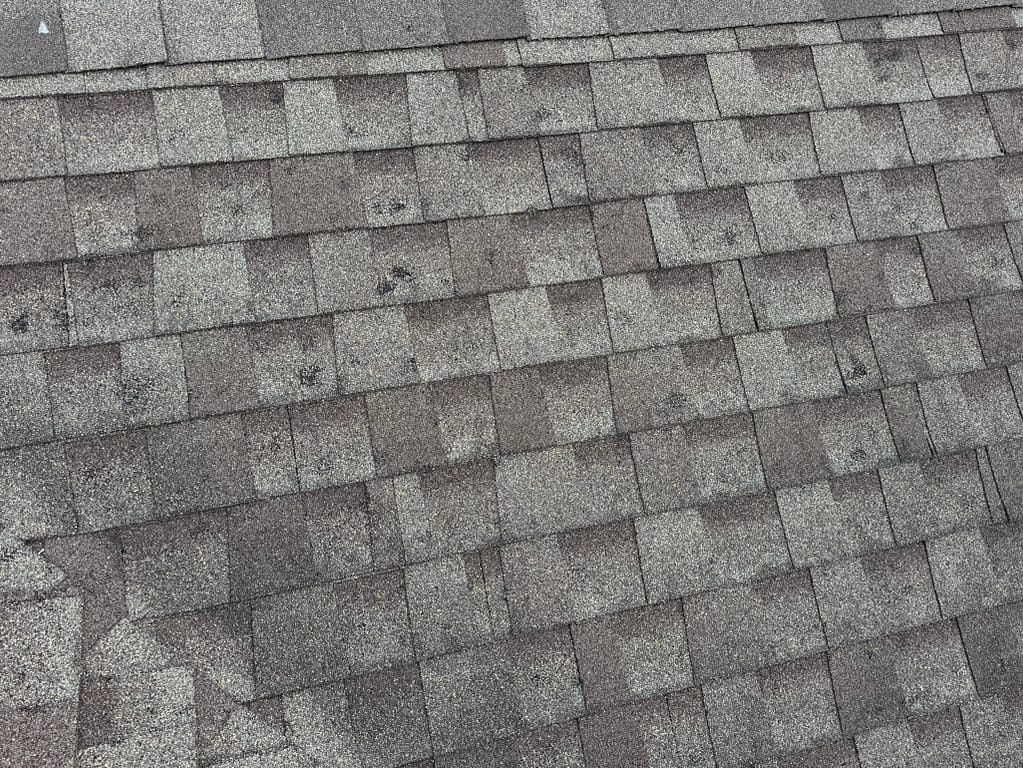
Bruising appears as dark spots or soft, dented areas on shingles where hail has knocked away granules and cracked the mat beneath. If you can safely view the roof, look for random, scattered marks rather than the uniform pattern of normal wear, since hail damage has no consistent layout. Pressing on a bruise often feels soft, like a bruise on fruit, which is a telltale sign of impact damage. Because this is the damage that most directly shortens shingle life, it is the central thing professional inspectors document.
- Appearance: Dark spots or dented areas where granules are missing.
- Pattern: Random and scattered, not the even wear of an aging roof.
- The soft test: Bruised spots often feel soft to the touch.
- Why it counts: This is the damage that most shortens shingle lifespan.
4. Shingles Cracked, Split, or Missing
Cracked, split, or missing shingles are the most visible form of hail and wind damage, and they leave your roof immediately vulnerable to water intrusion. Large hail can crack shingles outright, while the high winds that accompany hailstorms can lift or tear shingles away entirely. Any gap in the shingle layer is an open door for water to reach the underlayment and decking. Because these openings can leak quickly, visibly damaged or missing shingles call for prompt attention.
- Cracks and splits: Larger hail can fracture shingles on impact.
- Missing shingles: Accompanying winds can lift or tear shingles away.
- The risk: Any gap exposes the underlayment and deck to water.
- Urgency: Visible openings can lead to leaks quickly.
5. New Leaks or Interior Stains
Water stains on ceilings or walls, or new attic leaks after a storm, are a sign that hail or wind damage has already breached your roof. By the time water reaches the inside of your home, the damage has usually progressed beyond the surface and needs prompt professional attention. Even faint discoloration can indicate a slow leak that will worsen with the next rain. If you notice interior signs after severe weather, treat them as a prompt to get the roof inspected right away.
- What to watch: Water stains on ceilings and walls, or attic moisture.
- What it signals: Damage has already breached the roof’s protective layers.
- Even faint marks: Slight discoloration can mean a slow, worsening leak.
- Next step: Interior signs warrant a prompt professional inspection.
What Happens Next: The Repair and Insurance Process
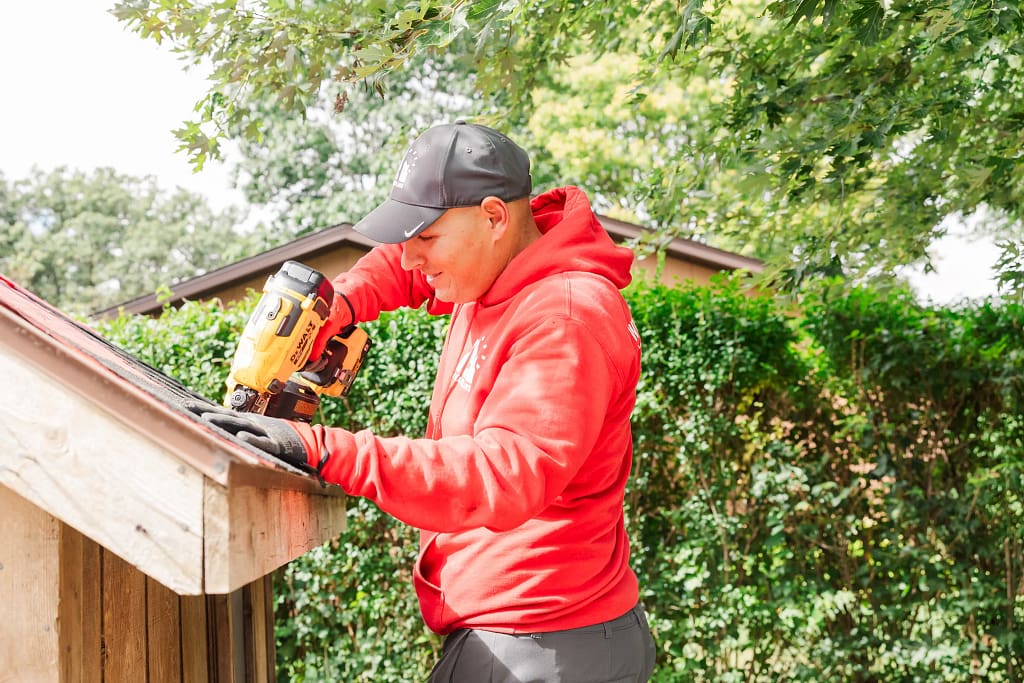
Once you suspect hail damage, knowing the steps ahead removes much of the stress. The process moves from inspection to claim to repair in a predictable sequence.
What Are the Steps After You Spot Damage?
The process typically begins with a professional roof inspection, followed by documentation, an insurance claim, an adjuster visit, and finally the repair itself. A qualified contractor inspects the roof safely, documents all damage with photos, and provides a written report you can submit to your insurer. After you file, an insurance adjuster inspects the roof, and many contractors will meet the adjuster on site to make sure nothing is missed. Once the claim is approved, the contractor completes the repair or replacement and helps with the final paperwork.
- Professional inspection: A contractor safely assesses and documents all damage.
- Filing the claim: You report the damage to your insurer with the contractor’s report.
- Adjuster visit: An adjuster inspects, ideally with your contractor present.
- Repair and paperwork: Once approved, the work is completed and documented.
Does Insurance Cover Hail Damage Roof Repair?
Most standard homeowner’s policies treat hail as a covered peril, meaning sudden hail damage is generally covered subject to your deductible and policy terms. Whether a claim is fully paid can depend on the age and condition of your roof, your deductible, and whether you carry replacement-cost or actual-cash-value coverage. Some policies in hail-prone regions carry a separate, higher wind-and-hail deductible, so it is worth checking your specific terms. A contractor experienced with claims can document the damage thoroughly to support full and fair coverage.
- Generally covered: Sudden hail damage is a covered peril on most policies.
- What affects payout: Roof age, deductible, and coverage type all matter.
- Special deductibles: Some policies have a separate wind-and-hail deductible.
- Strong documentation: Thorough records support a full, fair claim.
Should You Repair or Replace After Hail?
Whether hail damage calls for a repair or a full replacement depends on how widespread the damage is and the age of your roof. Isolated damage on a relatively new roof can often be repaired, while widespread bruising, or damage to an older roof whose shingles are no longer flexible or available, usually points to replacement. Insurers also weigh whether a repair would cause further damage to surrounding shingles, which can tip the decision toward a full replacement. An honest contractor will assess the extent of the damage and tell you straight which option makes sense.
- Repair candidates: Isolated damage on a newer roof.
- Replacement candidates: Widespread damage or an older, brittle roof.
- Insurer logic: If repairs would harm good shingles, replacement may be approved.
- Honest assessment: A trustworthy contractor recommends based on the real damage.
How to Choose the Right Hail Damage Contractor
After a major storm, choosing the right contractor matters as much as the repair itself, especially because storm-chasers flood damaged areas looking for quick work. A few factors should guide your choice.
How Do You Avoid Storm-Chasers?
Storm-chasers are out-of-town crews that appear door to door right after a hailstorm, pressure you to sign immediately, and often vanish before any warranty matters. A trustworthy contractor has a verifiable local address, a real track record in the community, and references you can check. Be wary of anyone who pushes you to sign on the spot or offers to waive your deductible, which is illegal in many places. Choosing an established local company means someone will still be there if you need them years down the road.
- Local presence: Confirm a physical address and a history in the area.
- No pressure: Avoid anyone demanding an immediate signature.
- Deductible red flag: Offers to waive your deductible are a warning sign.
- Accountability: A rooted local contractor will be there for future warranty needs.
What Credentials and Protections Should You Look For?
Before hiring, confirm the contractor is licensed and insured, carries strong manufacturer certifications, and offers a workmanship warranty in writing. Manufacturer credentials, such as Owens Corning Platinum Preferred status, reflect verified installation standards and unlock stronger warranties. A contractor experienced with insurance claims can also document damage properly and meet the adjuster on site, which often leads to fairer outcomes. Together, these protections make sure the repair holds up and your investment is protected.
- Licensing and insurance: Verify both before any work begins.
- Manufacturer credentials: Certifications signal verified standards and better warranties.
- Claims experience: A claims-savvy contractor helps document damage and meet adjusters.
- Written warranty: Get the workmanship warranty and its terms in writing.
Frequently Asked Questions
How much does hail damage roof repair cost?
Costs vary widely based on the extent of damage, roof size, and materials, with minor repairs running a few hundred dollars and full replacements reaching many thousands. If the damage is covered by insurance, you typically pay only your deductible. The best way to get an accurate number is a professional inspection and written estimate.
How long do I have to file a hail damage claim?
Most insurance policies require hail claims to be filed within a set window after the storm, often six months to a year, though it varies by policy. Because deadlines are firm, it is best to have your roof inspected soon after a significant storm. Filing promptly also makes it easier to tie the damage to a specific event.
Can I inspect for hail damage myself?
You can safely check for many signs from the ground, such as dented gutters, granules in downspouts, and interior stains. Climbing onto a roof is dangerous and can hide subtle bruising that only a trained eye catches, so a professional inspection is recommended for a full assessment. Most reputable contractors offer free inspections after storms.
Will hail damage always cause a leak?
No, and that is what makes it dangerous. Hail often bruises shingles and strips granules without causing an immediate leak, but the damage shortens the roof’s lifespan and can fail later. This is why a post-storm inspection matters even when everything looks fine inside.
Does filing a hail claim raise my insurance rates?
Hail is typically classified as an act of nature rather than the homeowner’s fault, so a single weather-related claim often affects rates less than an at-fault claim. However, policies and insurers vary, so it is worth asking your agent about your specific situation. The cost of an unrepaired roof usually outweighs the concern.
How long does hail damage roof repair take?
Most repairs are completed in a day or two, while full replacements typically take one to a few days depending on roof size and complexity. Weather and material availability can affect the schedule. A good contractor will give you a clear timeline before starting.
Why Heartland Is a Smart Choice for Hail Damage Roof Repair
After a hailstorm, you want a roofing partner who gives you honest answers about what your roof actually needs and guides you through the insurance process without pressure or scare tactics. Heartland Roofing, Siding & Solar serves homeowners across North Liberty and surrounding areas with thorough inspections, clear documentation, and professional repairs, backed by Owens Corning Platinum Preferred status, a 10-year workmanship warranty on full replacements, and an A+ BBB rating. As a rooted local company, not a storm-chasing out-of-town crew, Heartland will still be here years from now if you ever need us again. Reach out to Heartland today for a free inspection and straightforward guidance on your hail damage roof repair.

Get Started Today!
From roofing to siding, Heartland Roofing is the team you need to take your home exterior to the next level. All you need to do is reach out! Fill out our contact form or give us a call to get the reliable help that you need.


