

Cost of Roof Replacement in Iowa: 2026 Ranges and What Affects Your Quote
June 17,2026
10 Minute Read
Cost of roof replacement is one of the biggest concerns homeowners have when planning a roofing project. While many people focus on the final number, the reality is that roofing estimates are influenced by a wide range of factors, from material selection to roof complexity and labor requirements. For homeowners in Ames and surrounding areas, understanding what goes into a roofing quote can make it easier to compare estimates and make informed decisions. Below are the real 2026 ranges Iowa homeowners are seeing, followed by the factors that decide where your project lands inside them.
- Multiple pricing factors: Roof size, materials, and labor all impact costs.
- Every roof is unique: No two roof replacement projects are exactly alike.
- Long-term value matters: The lowest quote is not always the best investment.
What Does a Roof Replacement Cost in Iowa in 2026?
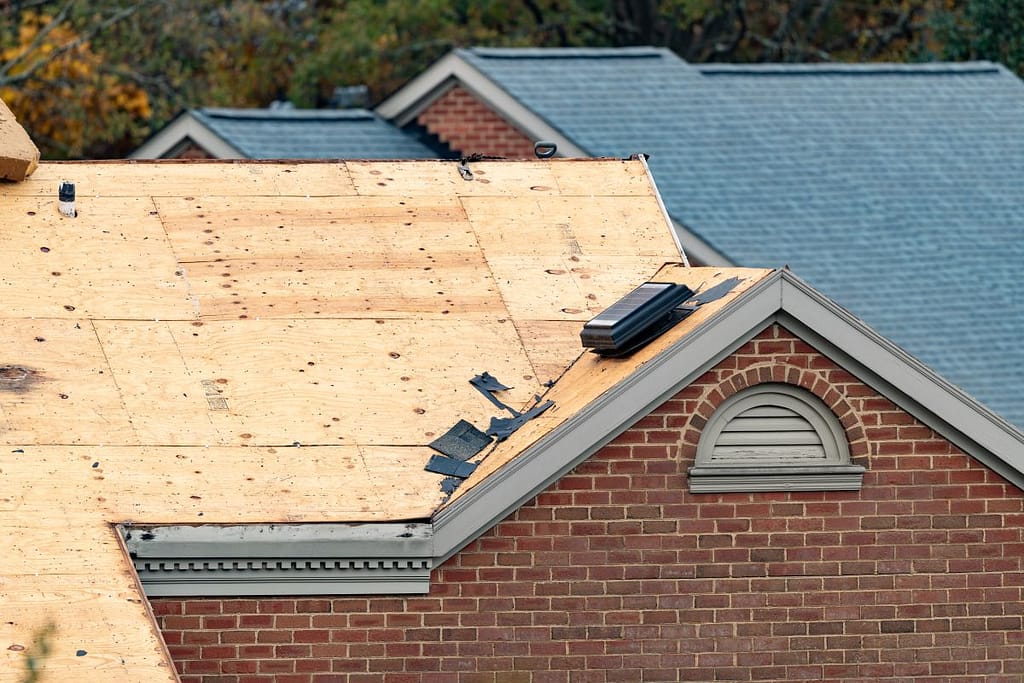
There is no single number, but Iowa homeowners deserve a realistic range instead of a mystery. Across Des Moines and central Iowa, most full asphalt replacements on typical homes land between $8,000 and $15,000 in 2026. Price swings with roof size, pitch, number of stories, layers to tear off, decking condition, and shingle grade.
Cost by Roof Size
| Roof size | Rough replacement range (asphalt, installed) |
|---|---|
| Small (1,000–1,500 sq ft) | $7,000–$10,000 |
| Mid-size (1,500–2,500 sq ft) | $10,000–$15,000 |
| Large (2,500+ sq ft) | $15,000–$20,000+ |
Use these ranges as a sanity check, not a quote. Your actual price should come from a written, itemized estimate.
Cost by Material
| Material | Per square installed | Typical 20-square roof |
|---|---|---|
| 3-tab asphalt shingles | $350–$450 | $7,000–$9,000 |
| Architectural asphalt shingles | $350–$550 | $7,000–$11,000 |
| Class 4 impact-resistant asphalt | $450–$750 | $10,000–$15,000 |
| Standing seam metal | $900–$1,500 | $18,000–$30,000+ |
For a deeper look at metal specifically, see our metal roof cost guide.
Why Roof Replacement Costs Vary So Much
Many homeowners are surprised by how much roofing estimates can differ from one project to another. While square footage plays an important role, it is far from the only factor.
The cost of roof replacement depends on the condition of the existing roof, the complexity of the structure, the materials selected, and the amount of labor required. Understanding these variables helps homeowners evaluate quotes more effectively.
Understanding the Bigger Picture
A roof replacement is more than simply installing new shingles. The entire roofing system works together to protect the home.
- Roof decking: May require repairs or replacement.
- Ventilation systems: Affect long-term roof performance.
- Flashing components: Protect vulnerable roof transitions.
- Underlayment materials: Provide additional moisture protection.
8 Factors That Affect the Cost of Roof Replacement
Several key variables influence the final price homeowners receive when requesting a roofing estimate. Understanding these factors can help explain why one quote may differ significantly from another.
1. Roof Size
Roof size is one of the most obvious factors affecting the cost of roof replacement. Larger roofs require more materials, more labor, and more installation time.
A larger roofing system naturally increases both material and labor costs. However, roof measurements are often more complex than simply calculating square footage because roof pitch and design also affect the total surface area.
- More materials: Larger roofs require additional shingles and accessories.
- More labor: Installation time increases with roof size.
- Higher disposal costs: More existing materials must be removed.
- Greater project scope: Larger homes require more resources overall.
2. Roof Pitch and Steepness
Steeper roofs are generally more expensive to replace because they require additional safety precautions and labor.
Roofing crews often need specialized equipment and more time to work safely on steep surfaces. On steep roofs, the slower, fall-protected work can add 20 to 50% to the labor portion of your quote.
- Safety requirements: Additional protection measures are necessary.
- Slower installation: Steep slopes take longer to complete.
- Equipment needs: Specialized tools may be required.
- Labor intensity: More difficult working conditions increase costs.
3. Roofing Material Selection
The type of roofing material selected significantly impacts the cost of roof replacement.
Different materials offer different levels of durability, lifespan, and performance.
- Asphalt shingles: Often the most affordable option.
- Metal roofing: Higher upfront investment with longer lifespan.
- Premium products: Specialty materials increase project costs.
- Performance differences: Durability and warranties vary by material.
4. Roof Complexity
Roofs with multiple valleys, dormers, skylights, and intersecting sections require additional labor and materials.
Complex roof designs take longer to install and often require more flashing and custom work.
- Multiple roof planes: Increase installation difficulty.
- Additional flashing: Needed around roof features.
- More cutting and fitting: Increases labor requirements.
- Longer project timelines: Complex roofs take more time.
5. Existing Roof Condition
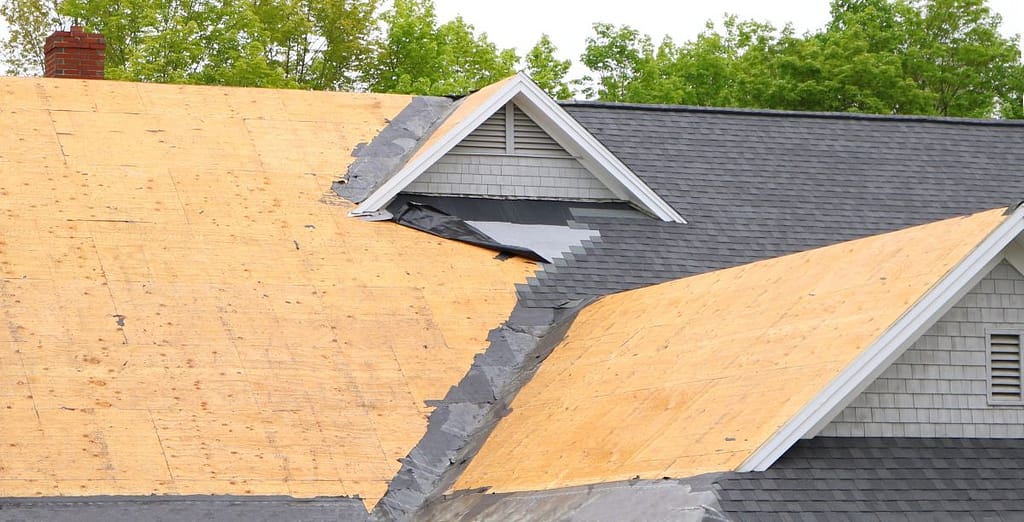
The condition of the current roofing system often affects replacement costs.
Problems beneath the shingles may not become visible until old materials are removed.
- Deck repairs: Damaged wood may require replacement.
- Moisture damage: Hidden issues can increase costs.
- Structural concerns: Some roofs require additional repairs.
- Unexpected discoveries: Conditions beneath old roofing vary.
If rotten decking turns up after tear-off, replacement runs roughly $75 to $150 per sheet, and a reputable contractor documents it with photos and gets your approval before proceeding.
6. Ventilation Upgrades
Proper attic ventilation plays an important role in roof performance and longevity.
Many older homes benefit from ventilation improvements during roof replacement.
- Improved airflow: Helps regulate attic temperatures.
- Moisture control: Reduces condensation risks.
- Longer roof lifespan: Supports material performance.
- Energy efficiency: May improve heating and cooling efficiency.
7. Removal and Disposal Costs
Before a new roof can be installed, the old roofing materials often need to be removed and disposed of properly.
Disposal costs vary depending on the size of the project and the number of existing layers.
- Material removal: Labor is required to tear off old roofing.
- Dumpster fees: Disposal costs vary by project size.
- Multiple layers: Increase labor and debris volume.
- Site cleanup: Proper disposal is part of the process.
Tearing off a second layer of shingles typically adds $1,500 to $2,500 to the project.
8. Local Labor and Material Costs
Regional market conditions influence the cost of roof replacement in central Iowa.
Material pricing and labor availability can fluctuate throughout the year.
- Material pricing: Manufacturing and supply costs affect quotes.
- Labor availability: Demand can impact scheduling and pricing.
- Transportation costs: Affect material delivery expenses.
- Market conditions: Local trends influence project costs.
Labor typically accounts for 50 to 60% of the total, and booking during the April to June storm-season rush can add 10 to 15% to labor rates.
Additional Features That May Affect Roofing Quotes
Beyond the primary cost drivers, certain upgrades and accessories can influence the final estimate.
These features often improve performance, durability, or aesthetics.
Premium Underlayment Systems
Higher-quality underlayment products provide additional protection against moisture and weather intrusion.
- Enhanced protection: Helps guard against leaks.
- Long-term performance: Supports roofing durability.
- Weather resistance: Adds an extra layer of defense.
- Improved reliability: Strengthens the overall system.
Upgraded Flashing and Accessories
Roofing accessories may increase project costs but often improve performance.
- Chimney flashing: Protects vulnerable areas.
- Pipe boots: Seal roof penetrations.
- Drip edge installation: Improves water management.
- Ridge ventilation: Supports airflow and efficiency.
How Homeowners Can Compare Roofing Estimates
Not all roofing estimates include the same scope of work. Comparing quotes requires looking beyond the final price.
A detailed estimate should explain materials, labor, warranties, and project expectations.
What to Look for in a Roofing Quote
Understanding the details helps homeowners make more informed decisions.
- Material specifications: Know exactly what products are included.
- Labor details: Understand installation procedures.
- Warranty information: Review both manufacturer and workmanship coverage.
- Project scope: Confirm all necessary work is included.
Now that you know the ranges: a bid dramatically below them usually signals something is being left out, like a layover instead of a full tear-off, cheap 3-tab shingles, no ice-and-water shield, or skipped ventilation. A bid far above them should come with a clear reason, like steep pitch, premium materials, extensive rotten decking, or complex architecture. The right move is to ask each contractor to walk you through why their number is what it is. Honest pricing survives that question.
Will Insurance Cover Your Roof Replacement?
In Iowa, a large share of roof replacements are paid through a storm-damage insurance claim. When hail or wind damage is approved, your out-of-pocket cost is often just your deductible, not the full project price. That is why two neighbors with identical roofs can pay wildly different amounts, and why understanding your policy is often worth more than shopping for the lowest bid. Our guide to roof insurance claims in Iowa covers how policies actually pay out, ACV vs. RCV, and the wind and hail deductible math.
Are Class 4 Impact-Resistant Shingles Worth the Extra Cost?
In hail country, often yes. Class 4 (UL 2218-rated) shingles run $450 to $750 per square installed, roughly $2,500 to $5,000 more than standard architectural shingles on a typical roof. In return, discounts vary by carrier and policy, but Iowa homeowners commonly see roughly 10 to 30% off the wind and hail portion of their premium after submitting the manufacturer’s Certificate of Compliance. A discount is not guaranteed, so confirm the exact amount with your agent before you buy. Over a 25-to-30-year roof life, the math frequently favors the upgrade. Read more in our impact-resistant shingles guide.
Common Misconceptions About Roof Replacement Costs
Many homeowners assume roofing estimates are based solely on square footage, but several other factors influence pricing.
Understanding these misconceptions helps set realistic expectations.
- Cheapest is not always best: Lower pricing may exclude important components.
- All roofs are different: Similar-sized homes can have different costs.
- Repairs may be necessary: Existing conditions affect pricing.
- Materials matter: Product quality influences both cost and lifespan.
Iowa Roof Cost FAQs
How much does a new roof cost in Iowa in 2026? Most full asphalt replacements on typical central Iowa homes land between $8,000 and $15,000. Small roofs can come in around $7,000, and large or complex roofs run $15,000 to $20,000 or more. Metal and Class 4 impact-resistant options cost more; 3-tab shingles cost less.
What is a roofing “square”? One square is 100 square feet of roof surface. Contractors price by the square, so a 2,000 square foot roof is a 20-square job. Architectural shingles run about $350 to $550 per square installed in central Iowa.
Does insurance pay for roof replacement? Often yes, when the roof has approved storm damage from hail or wind. In that case your out-of-pocket cost is usually just your deductible. Wear-and-tear and old age are not covered.
How much does it cost if the roofers find rotten decking? Replacing decking runs roughly $75 to $150 per sheet. A reputable contractor documents the rot with photos and gets your approval before proceeding, so it is never a surprise on the invoice.
When is the cheapest time to replace a roof in Iowa? Outside the April to June storm-season rush, when labor rates can run 10 to 15% higher. Late summer and fall installs often schedule faster and price better, weather permitting.
Why is one roofing bid thousands lower than the others? Usually because it leaves something out: a layover instead of a tear-off, cheaper shingles, no ice-and-water shield, or skipped ventilation. Ask every bidder to walk you through their number line by line.
Making Sense of Your Roofing Investment
The cost of roof replacement depends on a combination of factors including roof size, material selection, roof complexity, ventilation needs, and existing conditions. Understanding these variables helps homeowners evaluate estimates with greater confidence and focus on long-term value rather than price alone. If you want to see how these numbers play out in your town, we keep local guides for Ankeny, Iowa City, Pleasant Hill, and North Liberty.
At Heartland, we help homeowners in Ames and surrounding areas understand exactly what goes into a roofing estimate so they can make informed decisions about their homes. If you are considering a roof replacement, reach out today for a free estimate and learn more about the factors influencing your project costs.

Get Started Today!
From roofing to siding, Heartland Roofing is the team you need to take your home exterior to the next level. All you need to do is reach out! Fill out our contact form or give us a call to get the reliable help that you need.


