

Roof Insurance Claims in Iowa: How to File and Get Paid in 2026
May 07,2026
12 Minute Read
Roof insurance claims are a critical part of recovering from storm damage, especially after hail, wind, or severe weather impacts your home. Filing roof insurance claims correctly can determine how much coverage you receive and how quickly repairs begin. For homeowners in Ames and surrounding areas, where storm activity is common, understanding the claims process helps prevent delays, underpayments, and denied coverage. This guide covers the whole picture for 2026: how policies actually pay out, the deductible math, the filing steps, and the Iowa laws that protect you.
- Storm-driven damage: Hail, wind, and debris are leading causes of roof insurance claims in Iowa.
- Documentation matters: Strong evidence improves claim approval and payout accuracy.
- Process clarity: Knowing each step reduces delays and confusion.
How Roof Insurance Claims Work (What Insurers Actually Look For)
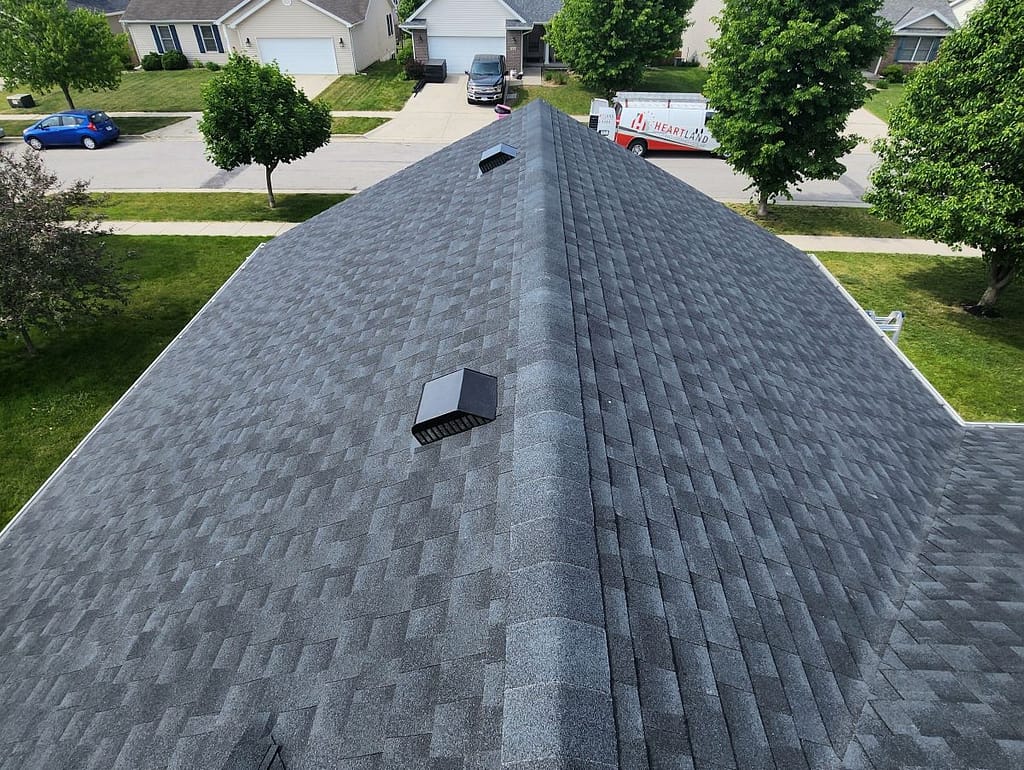
Roof insurance claims are evaluated based on cause of damage, timing, and documentation quality. Insurance companies do not simply approve claims based on visible damage. They assess whether the issue was caused by a covered event like wind or hail rather than normal aging or poor maintenance.
In central Iowa, insurers frequently review:
- Storm date verification: Matching damage to documented weather events
- Damage pattern consistency: Random vs uniform wear
- Material condition: Whether the roof was already near end-of-life
- Functional damage: Not just cosmetic marks, but performance impact
Understanding these factors helps homeowners avoid one of the biggest claim mistakes, which is assuming all storm damage qualifies for coverage.
Will Your Policy Pay ACV or RCV? Check This Before You File
This is the concept that confuses homeowners the most, and it changes the math on every estimate you collect. Iowa homeowner policies generally pay one of two ways.
| Replacement Cost Value (RCV) | Actual Cash Value (ACV) | |
|---|---|---|
| What it pays | Full cost to replace the roof, minus your deductible | Depreciated value of the old roof, minus depreciation AND deductible |
| Typical on | Newer roofs; higher premium | Older roofs (often 15 to 20+ years); lower premium |
| Your out-of-pocket | Usually just the deductible | Deductible PLUS the depreciation gap |
Two things about RCV that surprise people. First, RCV policies usually pay in two checks: an initial payment at the depreciated (ACV) amount, then the withheld “recoverable depreciation” released after the work is completed and the final invoice is submitted. If you never do the work, you never collect the depreciation. Second, that two-check structure is also why a contractor demanding the full project amount upfront does not match how the money actually arrives.
Knowing which basis your policy uses before you file changes everything about what you will net. It is on your declarations page, or one phone call to your agent.
What Is a Wind and Hail Deductible?
Many Iowa policies carry a separate wind/hail deductible that is a percentage of your home’s insured value (often 1 to 2%) rather than a flat dollar amount. On a home insured for $300,000, a 1% wind/hail deductible is $3,000. That is meaningfully more than a typical $1,000 all-peril deductible, and it is the number that determines your real out-of-pocket cost on a storm claim. Check your declarations page so you know it before a storm, not after.
One legal note while we are on deductibles: in Iowa it is illegal for a contractor to offer to waive, rebate, or “eat” your deductible, and any contract with that promise in it is void. We cover the law in detail in our guide to hiring a roofing contractor in Iowa.
5 Steps to File Roof Insurance Claims After Storm Damage
Filing roof insurance claims requires a structured and timely approach. Each step plays a role in determining whether your claim is approved and how much compensation you receive.
1. Perform a Safe Initial Damage Assessment
The first step in roof insurance claims is identifying storm-related damage without putting yourself at risk. Wind damage, hail impact, and debris strikes may not always be obvious from the ground.
- Check for missing shingles: Often caused by wind uplift
- Look for granule loss: Common with hail damage on asphalt shingles
- Inspect gutters and downspouts: Dents can indicate hail impact
- Check ceilings and attic: Water stains may signal hidden roof leaks
A professional inspection is often necessary because many forms of storm damage are not visible to untrained homeowners.
2. Document All Storm Damage Immediately
Accurate documentation is one of the most important factors in successful roof insurance claims. Insurance companies rely heavily on visual and written evidence.
- Take high-resolution photos: Capture wide shots and close-ups
- Record timestamps: Helps connect damage to a specific storm event
- Document interior damage: Include ceilings, insulation, and walls
- Track weather events: Use local storm reports for validation
Strong documentation supports your claim and reduces the likelihood of disputes during the insurance review process.
3. File the Insurance Claim Promptly
Timing plays a major role in roof insurance claims. Most insurance policies have deadlines for reporting storm damage, and delays can raise questions about the cause.
- Contact your insurer quickly: Provide basic details about the storm and damage
- Use accurate descriptions: Avoid vague terms when reporting damage
- Request next steps: Ask what documentation is required
- Keep your claim number: Track all communication moving forward
Filing promptly helps establish a clear connection between the storm event and the damage.
4. Meet the Adjuster and Understand Their Inspection
Insurance adjusters evaluate your roof to determine coverage and payout amounts. This is one of the most important steps in roof insurance claims.
Adjusters typically look for:
- Hail impact marks: Circular dents or bruising on shingles
- Wind damage patterns: Missing or creased shingles
- Flashing failures: Around chimneys, vents, and valleys
- Water intrusion points: Areas where leaks may occur
Being present during the inspection allows homeowners to ask questions and ensure all damage areas are reviewed. People sometimes ask whether they need a public adjuster instead. A contractor inspects, documents, meets the adjuster, and files supplements, usually at no extra charge because they are paid through the installation. A public adjuster negotiates the claim on your behalf but charges 10 to 15% of the settlement. Most straightforward residential claims do not require one; they earn their fee mainly on complex or disputed claims. One thing a contractor legally cannot do in Iowa is negotiate your claim for you, which we explain below.
5. Review the Settlement and Scope of Work
Once the adjuster completes their report, the insurance company provides a settlement estimate. This document outlines what repairs are covered and how much will be paid.
- Check line items carefully: Ensure all damaged areas are included
- Understand depreciation: Older roofs may reduce payout amounts
- Review deductibles: Know your out-of-pocket cost
- Compare contractor estimates: Ensure alignment with repair scope
Carefully reviewing the settlement helps prevent underpayment and ensures all necessary repairs are addressed. If your policy pays RCV, remember the second check: recoverable depreciation is only released after the work is completed and invoiced, so finishing the project is part of collecting the full settlement.

How Long Do You Have to File a Roof Claim in Iowa?
Less time than you think, for two reasons.
First, the legal clock. Iowa’s general statute of limitations for property damage is five years, but your policy almost always imposes a shorter suit-limitation window, often one to two years from the date of loss, and courts have upheld the policy’s shorter deadline. The date that matters is the storm date, not the date you noticed the leak.
Second, the damage clock. Central Iowa hail commonly runs around an inch to an inch and a quarter in diameter. That is big enough to bruise shingles and knock loose the protective granule layer even when the roof still looks fine from the driveway. That invisible damage is what causes leaks 12 to 18 months later, often after your claim window has started ticking. This is why a professional inspection after a significant storm matters even if you see nothing from the ground. If a storm hit your area this year, get the roof looked at this year.
Common Reasons Roof Insurance Claims Get Denied
Not all roof insurance claims are approved, and understanding why claims are denied helps homeowners avoid costly mistakes.
- Wear and tear vs storm damage: Insurance does not cover aging roofs
- Late filing: Delays weaken the connection to a storm event
- Insufficient documentation: Lack of evidence can result in denial
- Pre-existing damage: Issues present before the storm may not be covered
- Improper installation: Poor workmanship can void coverage
Avoiding these issues improves your chances of a successful claim.
The Role of Storm Data in Roof Insurance Claims
Storm verification is a key part of modern roof insurance claims. Insurance companies often cross-reference claims with meteorological data to confirm storm activity in your area.
According to the National Weather Service, Iowa experiences over 45 thunderstorm days per year, which contributes to frequent hail and wind-related roof insurance claims. This high storm frequency increases the importance of timely inspections and accurate documentation in Ames and surrounding areas.
Storm tracking reports can help support your claim by confirming:
- Hail size and impact zone
- Wind speeds during the event
- Storm timing and location
This data strengthens your case and adds credibility to your claim.
How Roof Condition Impacts Insurance Payouts
Roof age and condition significantly influence roof insurance claims. Insurance providers assess whether the roof was in good condition before the storm.
Key factors include:
- Roof age: Older roofs may receive reduced payouts
- Material type: Asphalt shingles vs metal or specialty systems
- Maintenance history: Regular upkeep supports claim validity
- Previous repairs: May affect coverage decisions
Keeping records of inspections and maintenance can improve your claim outcome.
One newer wrinkle to watch: some insurers now attach a Roof Payment Schedule (also called a roof surcharge or endorsement) that caps payouts based on roof age, even on a policy sold as RCV. In practice, an older roof can be paid on a sliding scale that looks a lot like ACV no matter what the policy cover page says. Read your declarations page, or ask your agent directly whether a roof payment schedule applies, so you are not blindsided at claim time.
Know the Law: What Your Contractor Can and Cannot Do
Iowa law draws a hard line around storm claims. Under Iowa Code §103A.71, a residential contractor cannot offer to pay or waive your deductible, and cannot negotiate with your insurer on your behalf. A contract that includes either promise is void. A legitimate contractor documents the damage, meets the adjuster, and files supplements, but the claim stays between you and your insurer. For the full picture, including the required Notice of Contract Obligations and Rights and how to verify any contractor, see our guide to hiring a roofing contractor in Iowa.
Staying Organized Throughout the Claims Process
Organization is one of the most overlooked aspects of roof insurance claims, yet it directly affects how smoothly the process moves.
- Create a claim folder: Store photos, documents, and estimates
- Track all communication: Save emails and call notes
- Monitor deadlines: Respond to insurer requests quickly
- Review paperwork carefully: Double-check all submitted information
A structured approach helps prevent delays and miscommunication.
Roof Insurance Claim FAQs
Does homeowners insurance cover roof replacement from hail or wind damage in Iowa? Usually yes, for sudden, accidental storm damage. What varies is how you are paid (ACV vs. RCV), your roof’s age, and your deductible, not whether storm damage is covered. Wear-and-tear and neglect are not covered, which is why documenting a specific storm event matters.
What is the difference between ACV and RCV? ACV pays replacement cost minus depreciation minus your deductible, in one check. RCV pays the full replacement cost, but in two checks: the depreciated amount first, then the withheld recoverable depreciation after the work is completed and invoiced.
What is a wind and hail deductible? A separate deductible for wind and hail damage, set as a percentage (often 1 to 2%) of your home’s insured value instead of a flat amount. On a $300,000 home, a 1% wind/hail deductible is $3,000.
How do I know if I have hail damage on my roof? Look for dented gutters, downspouts, and window screens, and granules collecting in gutters. Much shingle bruising is not visible from the ground, so get a professional inspection after any significant hailstorm.
How long do I have to file a roof insurance claim in Iowa? File as soon as possible after the storm. Most policies impose a suit-limitation window of one to two years from the date of loss, which is shorter than Iowa’s five-year property damage statute, and courts have upheld the shorter policy deadline.
Can my roofing contractor handle my insurance claim for me? No. Under Iowa Code §103A.71, a contractor cannot negotiate with your insurer on your behalf or offer to waive your deductible, and a contract with either promise is void. Your contractor can inspect, document, meet the adjuster, and submit supplements. The claim stays yours.
Do I need a public adjuster? Usually not for a straightforward residential claim. A public adjuster charges 10 to 15% of the settlement and earns that fee mainly on complex or disputed claims. Your contractor’s documentation and supplements are typically included at no extra charge.
Moving Forward After Storm Damage
Roof insurance claims can feel overwhelming, but understanding the process makes a significant difference. Homeowners in Ames and surrounding areas who document damage thoroughly, file claims promptly, and review settlements carefully are more likely to achieve successful outcomes.
At Heartland, we provide detailed roof estimates that help homeowners clearly understand storm damage and next steps. If your home has experienced recent storm impact, reach out today for a free estimate and get the clarity you need to move forward with confidence.

Get Started Today!
From roofing to siding, Heartland Roofing is the team you need to take your home exterior to the next level. All you need to do is reach out! Fill out our contact form or give us a call to get the reliable help that you need.


