

Window Condensation Inside vs Outside: (4 Key Differences)
March 09,2026
6 Minute Read
Seeing window condensation on your glass can be confusing, especially when you are not sure whether it signals a problem or simply reflects changing weather conditions. Moisture buildup and condensation on windows may appear on the inside or outside of the window glass, and each situation has very different causes and implications. For homeowners in West Des Moines and surrounding areas, understanding why window condensation occurs helps prevent unnecessary worry and ensures your home stays comfortable and energy efficient year round.
- Moisture awareness: Knowing the source of condensation forming helps you determine if action is needed.
- Energy efficiency insight: Condensation on windows can reveal how well your window panes are insulating your home.
- Damage prevention: Identifying window condensation early reduces the risk of mold or frame deterioration.
Why Window Condensation Happens
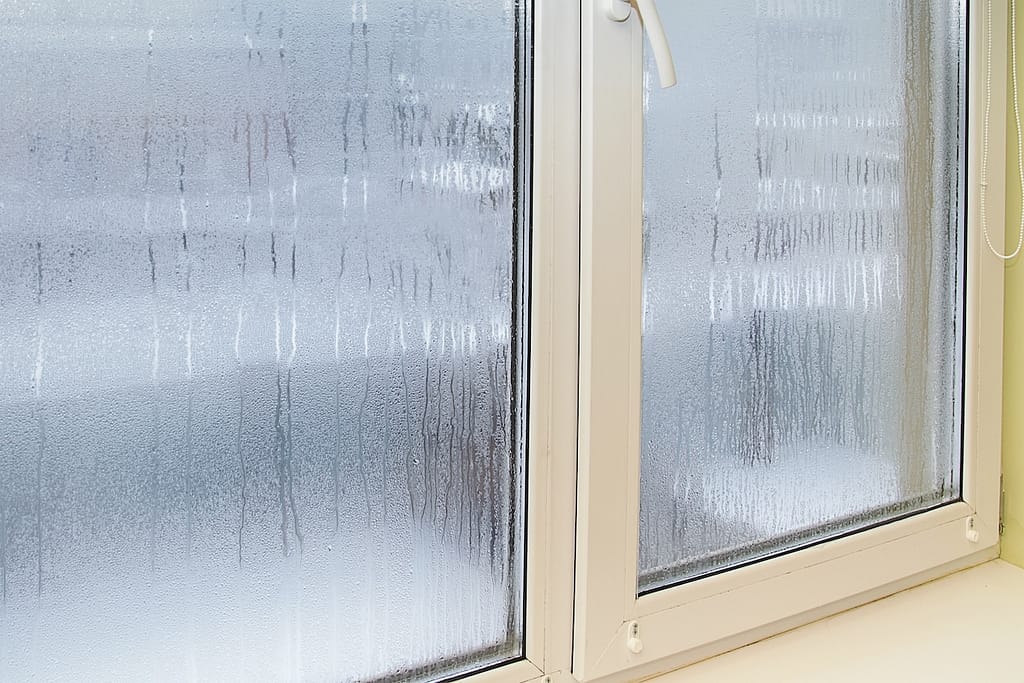
Window condensation forms when warm air carrying moisture meets a cooler surface like window glass. When warm humid air or general humid air contacts cold glass, condensation forming is a natural result of temperature differences.
In West Des Moines and surrounding areas, condensation on windows is especially common during late fall and winter when indoor heating systems create warm air inside while outdoor temperatures drop. That contrast between interior warmth and exterior cold creates the perfect environment for window condensation to appear on window panes.
4 Key Differences Between Inside and Outside Condensation
Not all window condensation is bad news. In fact, exterior condensation can actually indicate good insulation, while interior condensation may signal humidity concerns inside your home. Below are four important differences every homeowner should understand when evaluating condensation on windows.
1. Location of the Moisture
The first and most obvious difference is where the window condensation appears on the window glass. Determining whether condensation forming is happening inside or outside helps identify the source of humid air.
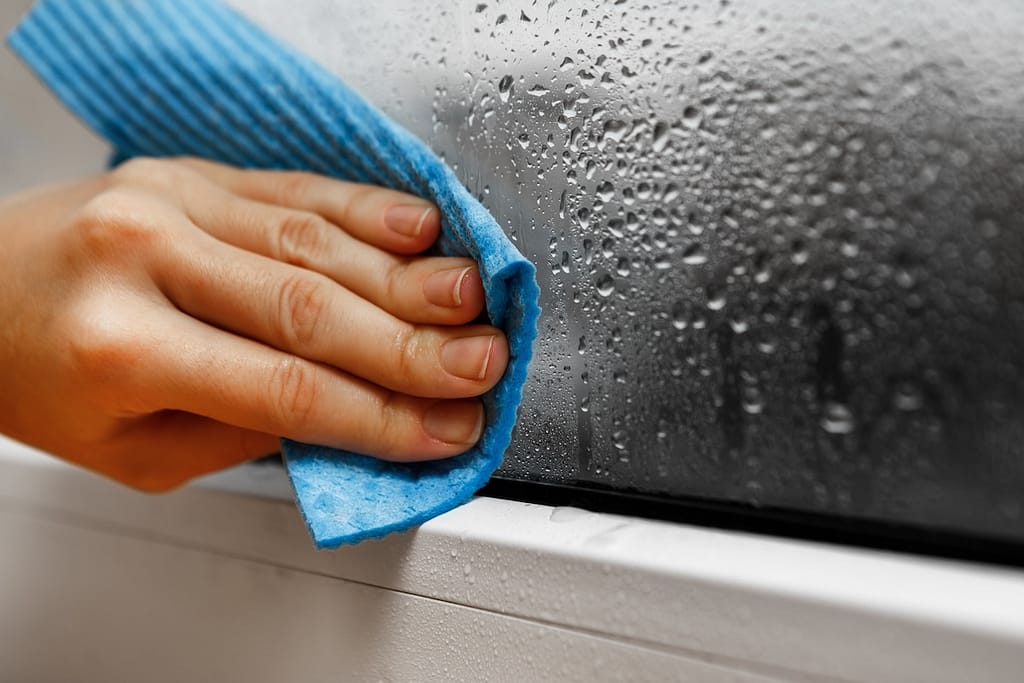
If you wipe the inside of the window glass and the moisture disappears, the condensation on windows is occurring on the interior surface. If the glass still feels wet after wiping indoors, you are likely seeing exterior condensation on the outer pane of the window panes.
- Interior surface: Window condensation appears on the inside-facing window glass due to warm air and humid air inside the home.
- Exterior surface: Exterior condensation forms on the outside of the window panes, often in the early morning hours.
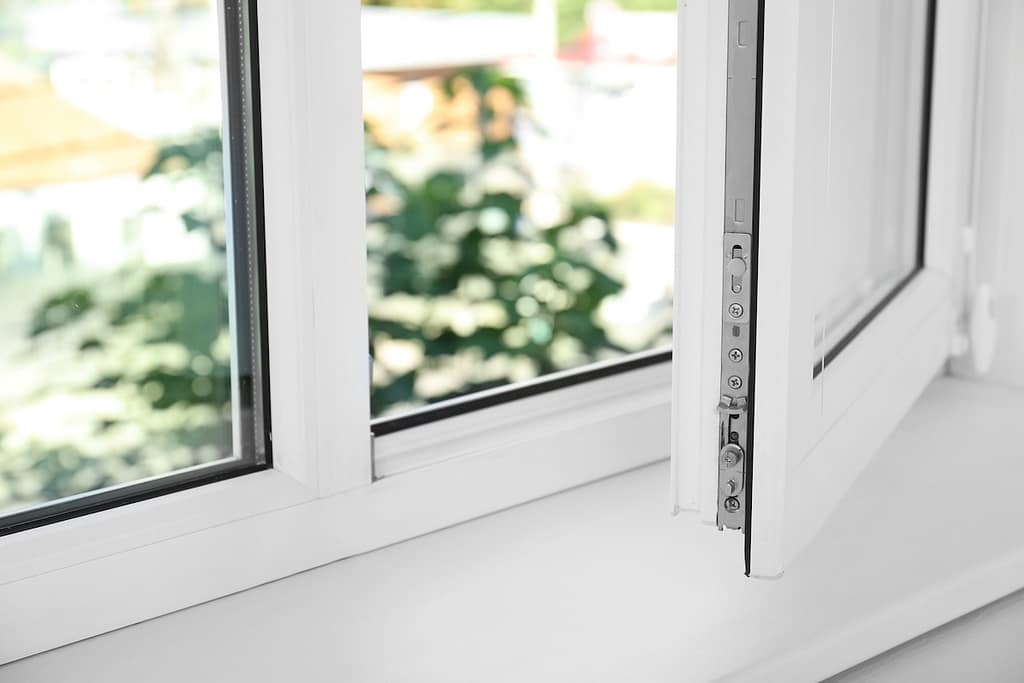
- Between panes: If condensation forming appears between double or triple window panes, the seal may have failed and may require evaluation or replacement windows.
2. What It Indicates About Insulation
The location of window condensation often reveals how well your window panes are insulating your home. Modern window glass systems are designed to reduce heat transfer, which affects how condensation forming behaves.
Interior condensation typically means warm humid air inside your home is contacting cold glass. For example, after cooking or showering without running exhaust fans, humid air rises and collects on cooler window panes, resulting in visible condensation on windows.
Exterior condensation, however, often indicates strong thermal performance. Because high-quality window panes prevent indoor warm air from escaping, the outer window glass remains cool, allowing exterior condensation to develop when outdoor conditions are right.
- Interior condensation: Often linked to high indoor humidity and insufficient use of exhaust fans.
- Exterior condensation: Usually a sign that insulated window panes are performing efficiently.
- Energy efficiency indicator: Persistent exterior condensation may show your window glass is minimizing heat transfer effectively.
3. Potential Risks to Your Home
While some window condensation is harmless, repeated interior condensation on windows can create long-term problems. Moisture collecting along the bottom of window panes may soak into wood trim or drywall if not wiped away regularly.
In West Des Moines and surrounding areas, wintertime humid air combined with cold glass increases the risk of mold growth if condensation forming is left unmanaged. Exterior condensation, by contrast, typically evaporates as temperatures rise and rarely causes structural issues.
- Interior moisture damage: Can lead to peeling paint, warped frames, and mold growth.
- Mold concerns: Persistent humid air trapped indoors encourages fungal development.
- Exterior condensation: Generally temporary and unlikely to damage window panes or siding.
4. How to Prevent or Manage It
Managing window condensation depends on whether it is occurring inside or outside. Interior condensation on windows can often be reduced by controlling humid air levels and improving ventilation throughout your home.
Simple adjustments such as running exhaust fans in kitchens and bathrooms, using ceiling fans to circulate warm air, and operating dehumidifiers can significantly reduce condensation forming on window glass. In some cases, upgrading to modern replacement windows with improved insulated window panes may also help limit interior window condensation.
- Use exhaust fans regularly: Turn on exhaust fans during cooking and showering to remove warm humid air.
- Increase air circulation: Ceiling fans help distribute warm air evenly, reducing condensation forming on cold glass.
- Control humidity levels: Maintain indoor humidity between 30 and 50 percent to prevent excess condensation on windows.
- Consider replacement windows: Energy-efficient replacement windows improve insulation and reduce temperature differences on window panes.
Quick Comparison Table
Here is a side-by-side comparison to clarify the differences between interior and exterior condensation on windows.
| Feature | Interior Window Condensation | Exterior Condensation |
| Location | Inside surface of window glass | Outside surface of window panes |
| Primary Cause | Warm humid air contacting cold glass | Outdoor temperature differences |
| Risk Level | Potential mold or frame damage | Usually harmless |
| Energy Performance | May signal humidity imbalance | Often indicates efficient window panes |
| Action Needed | Improve ventilation or humidity control | Typically none |
When to Be Concerned
Although most window condensation is manageable, certain signs require attention. Condensation forming between sealed window panes often indicates a broken seal, which reduces insulation performance and may require replacement windows.
Additionally, if condensation on windows persists despite using exhaust fans and ceiling fans to manage humid air, your home may have ventilation or insulation challenges. In West Des Moines and surrounding areas, addressing these concerns early prevents moisture damage and improves long-term comfort.
Understanding Window Condensation Protects Your Home
Recognizing the difference between interior and exterior window condensation allows you to respond appropriately and avoid unnecessary concern. While exterior condensation is usually a sign of efficient window panes, persistent condensation on windows inside your home may require humidity control or ventilation improvements.
Heartland proudly serves homeowners in West Des Moines and surrounding areas with expert guidance on window performance and energy efficiency. Contact Heartland today to schedule your free estimate and learn how modern window glass and replacement windows can improve comfort and reduce unwanted window condensation year round.

Get Started Today!
From roofing to siding, Heartland Roofing is the team you need to take your home exterior to the next level. All you need to do is reach out! Fill out our contact form or give us a call to get the reliable help that you need.


