

Vinyl Siding Repair: Common Damage & When to Call a Pro
October 26,2026
11 Minute Read
Vinyl siding repair is a common need for homeowners, because even the most popular and durable siding material takes a beating from Iowa’s storms, temperature swings, and everyday wear. Cracks, holes, warping, and loose panels not only hurt your home’s appearance but can let water in behind the siding, where it causes far more expensive damage. Knowing the common types of vinyl siding damage, what repairs cost, and when to call a professional helps you protect your home before a small problem spreads. This guide covers all three.
Here is what you will learn:
- Common damage: The types of vinyl siding damage to watch for.
- Repair costs: What vinyl siding repairs typically cost.
- When to call a pro: How to know when to DIY or hire out.
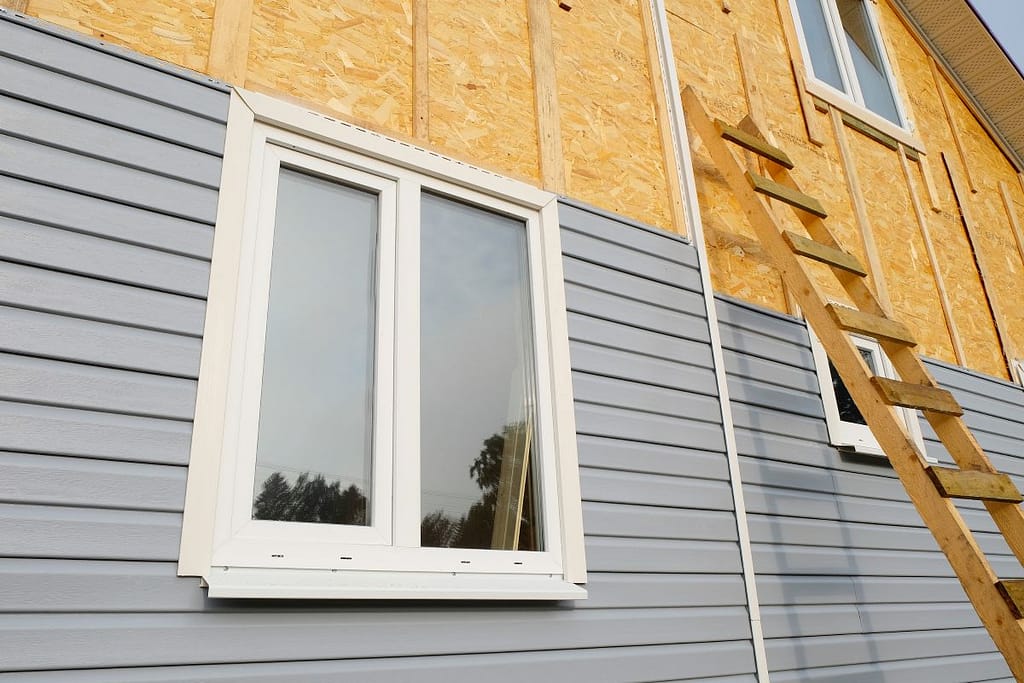
Why Vinyl Siding Repair Matters
Vinyl siding is popular for good reason, but when it’s damaged, prompt repair protects more than looks. Understanding why makes repair a priority.
Vinyl Is America’s Most Popular Siding
Vinyl siding is the most widely used exterior cladding in the country, which means a lot of homeowners face vinyl repairs. According to the National Association of Home Builders, analyzing Census Bureau data, vinyl siding was the most common principal exterior wall material on new single-family homes started in 2025, and it is especially common in the Midwest. That popularity reflects vinyl’s affordability, low maintenance, and durability, but no siding is damage-proof. For homeowners across Cedar Rapids and surrounding areas, keeping vinyl siding in good repair protects both appearance and the home beneath it.
- Most popular: The most common siding material nationally.
- Common in the Midwest: Widely used on Iowa-area homes.
- Why it’s popular: Affordable, low-maintenance, and durable.
- Still needs repair: No siding is completely damage-proof.
Damaged Siding Puts Your Home at Risk
The real reason to repair vinyl siding promptly is that damaged panels can let water and pests reach the wall beneath, causing hidden, costly damage. Vinyl siding is your home’s first line of defense against the elements, and once a crack, hole, or gap forms, moisture can get behind it and rot sheathing or grow mold. What looks like a cosmetic problem can become a structural one. Prompt repair keeps small issues from turning into major ones.
- First line of defense: Siding protects the wall beneath.
- Water gets in: Cracks and gaps let moisture behind.
- Hidden damage: Trapped water rots sheathing and grows mold.
- Repair promptly: Small issues can become structural.
6 Common Types of Vinyl Siding Damage
The damage types below are the ones homeowners encounter most. This section introduces them, then breaks each one down so you can recognize the problem.
1. Cracks and Splits
Cracks and splits are among the most common vinyl siding problems, often caused by impact or cold-weather brittleness. Vinyl becomes more brittle in cold temperatures, so a stray baseball, hail, or even a bump from a ladder can crack a panel in winter more easily than in summer. These cracks let water seep behind the siding and tend to grow over time. Cracked or split panels usually need to be replaced to restore protection.
- Common problem: Cracks are a frequent vinyl issue.
- Cold brittleness: Vinyl cracks more easily in winter.
- Lets water in: Cracks allow moisture behind the siding.
- Replace the panel: Cracked pieces need replacement.
2. Holes and Punctures
Holes and punctures from debris, hail, or accidents create direct openings for water and pests to get behind your siding. Flying debris in a storm, hail impacts, or everyday accidents can puncture vinyl, and even small holes are a problem because they bypass the siding’s protection. Left unaddressed, these openings invite moisture and insects into the wall. Small holes can sometimes be patched, while larger ones call for panel replacement.
- Direct openings: Holes bypass the siding’s protection.
- Common causes: Debris, hail, and accidents.
- Invites trouble: Water and pests get behind the siding.
- Patch or replace: Depends on the size of the hole.
3. Warping and Buckling
Warped, buckled, or wavy vinyl siding often results from heat exposure, improper installation, or the material’s natural expansion and contraction. Vinyl expands and contracts significantly with temperature changes, and if it was installed too tightly or exposed to intense heat, it can warp and buckle. Warping is both a cosmetic and functional problem, since distorted panels no longer seal properly. Correcting it usually means replacing the affected panels and ensuring proper installation.
- Heat and expansion: Temperature swings warp vinyl.
- Installation matters: Too-tight installation causes buckling.
- Loses its seal: Warped panels don’t seal properly.
- Replace and reinstall: Proper installation prevents recurrence.

4. Loose or Detached Panels
Panels that have come loose or detached expose your home to water and wind and are a frequent result of storms or aging fasteners. High winds can catch and lift vinyl panels, and over time the locking system or fasteners can loosen, letting panels rattle or fall off. A loose panel leaves the wall beneath exposed and can worsen quickly in the next storm. Resecuring or replacing loose panels restores the siding’s protection.
- Exposes the wall: Loose panels leave gaps.
- Storm damage: Wind lifts and detaches panels.
- Aging fasteners: Hardware loosens over time.
- Resecure or replace: Restores weather protection.
5. Fading and Discoloration
Faded, chalky, or discolored vinyl siding results from years of sun exposure and is one of the most common aging signs. Ultraviolet rays gradually break down the color in vinyl, leaving it looking dull, chalky, or unevenly faded, especially on sun-facing walls. While fading is usually cosmetic rather than structural, it affects curb appeal and can make patched repairs stand out. Significant fading across the home sometimes points toward replacement rather than spot repair.
- Sun exposure: UV rays fade vinyl over time.
- Chalky look: Faded siding looks dull and worn.
- Mostly cosmetic: Affects appearance more than function.
- Matching is hard: Faded siding makes repairs stand out.
6. Mold, Mildew, or Moisture Behind Siding
Mold or mildew on the surface, or signs of moisture behind the siding, indicate a problem that goes beyond the vinyl itself. Surface mold and mildew can grow in damp, shaded areas, while water stains or soft spots on the wall behind the siding signal that moisture has gotten in, often through other damage. This is the most important type to address because it can mean hidden structural damage. A professional should assess any sign of moisture behind the siding.
- Surface growth: Mold and mildew in damp areas.
- Moisture behind: Stains or soft spots signal water intrusion.
- Most serious: Can indicate hidden structural damage.
- Get it assessed: A pro should evaluate moisture issues.
How Much Does Vinyl Siding Repair Cost?
Cost is a common question, and vinyl siding repair is generally affordable compared to the damage it prevents. Here are realistic 2026 figures.
Typical Vinyl Siding Repair Costs
Vinyl siding repairs are usually one of the more affordable home repairs, especially for isolated damage. According to HomeGuide, vinyl siding repair typically costs about $2 to $4 per square foot, or roughly $200 to $400 for 100 square feet, with replacing a single panel running about $8 to $60 per panel and hole repairs around $50 to $100. The total depends on the extent of the damage, the number of panels, and your home’s height. For homeowners in Cedar Rapids and surrounding areas, catching damage early keeps repair costs low.
- Affordable repairs: Roughly $2 to $4 per square foot.
- Single panel: About $8 to $60 to replace one panel.
- Hole repair: Around $50 to $100.
- Early is cheaper: Prompt repair keeps costs down.
What Affects Your Repair Cost
The cost of a vinyl siding repair depends on the type and extent of the damage, the number of panels involved, your home’s height, and whether matching siding is available. A single cracked panel is inexpensive, while widespread damage or hard-to-reach areas cost more, and matching older, faded siding can be a challenge that affects the approach. Multi-story homes add labor and safety costs. An itemized estimate shows exactly what drives your price.
- Extent of damage: More panels mean higher cost.
- Home height: Multi-story work adds labor and safety costs.
- Matching siding: Older or faded colors can be hard to match.
- Get an estimate: An itemized quote gives the real figure.
When to Call a Professional
Some minor vinyl siding repairs are reasonable do-it-yourself tasks, while others are better left to a professional. Knowing the difference keeps you safe and your home protected.
DIY Versus Professional Repairs
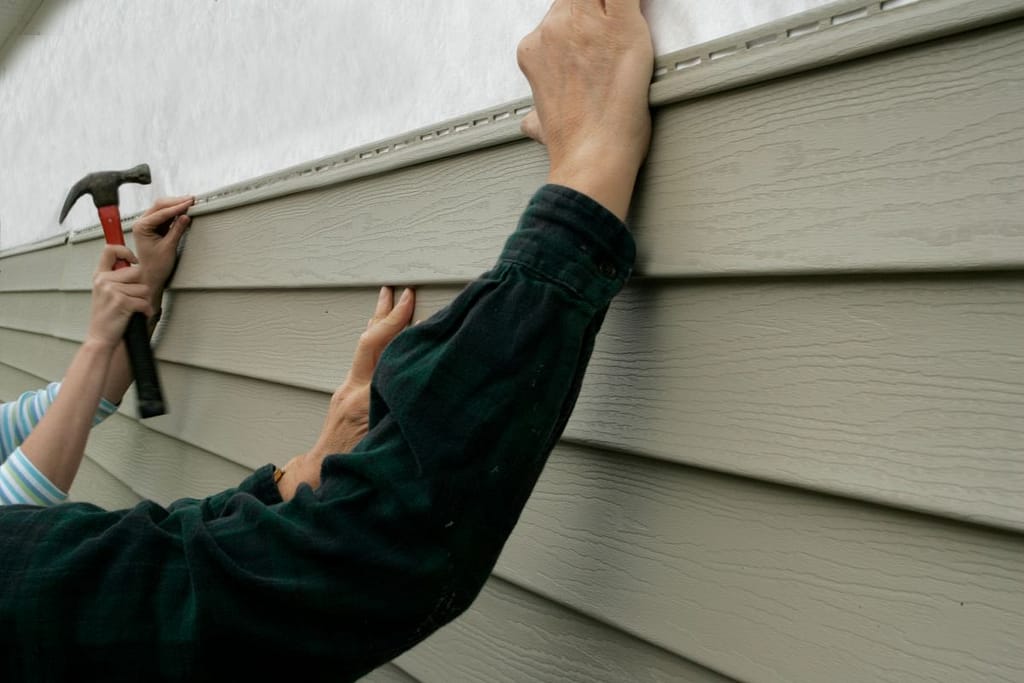
Replacing a single accessible panel or patching a small hole can be a do-it-yourself job, but widespread damage, high or hard-to-reach areas, and any sign of moisture behind the siding call for a professional. Vinyl repair looks simple but requires the right tools, matching materials, and technique to seal properly and look right, and ladder work carries real risk. A professional also spots underlying problems a quick patch would miss. When a repair goes beyond the simplest fix, calling a pro is the smart choice.
- DIY-friendly: Single panels and small patches, if accessible.
- Call a pro: Widespread damage, heights, or moisture.
- Technique matters: Proper sealing and matching take skill.
- Catches more: Pros spot underlying problems.
Why Professional Repair Is Worth It
A professional vinyl siding repair addresses the true cause, matches materials properly, and protects your home from the water damage a failed repair invites. Professionals can identify whether damage is isolated or part of a larger problem, source matching siding, and seal everything correctly so water stays out. Given that siding protects your home’s structure, getting the repair right matters. For anything beyond the simplest fix, professional repair protects both your siding and your home.
- Fixes the cause: Not just the visible damage.
- Matches materials: Sources the right siding.
- Seals correctly: Keeps water out for good.
- Protects the home: A right repair prevents bigger damage.
Frequently Asked Questions
How much does vinyl siding repair cost?
Vinyl siding repair typically costs about $2 to $4 per square foot, or roughly $200 to $400 for 100 square feet, with single panel replacement running about $8 to $60 per panel. The total depends on the extent of damage, home height, and whether matching siding is available. A professional estimate gives an accurate figure.
Can I repair vinyl siding myself?
Replacing a single accessible panel or patching a small hole can be a do-it-yourself job with the right tools, but widespread damage, high areas, and any moisture behind the siding are best left to a professional. Proper sealing and color matching take skill, and ladder work carries real risk. When in doubt, call a pro.
Can cracked vinyl siding be repaired or does it need replacing?
Small cracks can sometimes be patched, but cracked or split panels are usually best replaced to fully restore protection and appearance. Because vinyl is harder to patch invisibly, panel replacement is often the better repair. A professional can advise whether repair or replacement makes more sense.
Why does vinyl siding crack in winter?
Vinyl becomes more brittle in cold temperatures, so an impact that might only dent it in summer can crack it in winter. This is why cracks are a common cold-weather problem in Iowa. Careful handling and prompt repair of winter cracks help prevent water intrusion.
Is it hard to match old vinyl siding for a repair?
It can be. Vinyl fades over time with sun exposure, so new panels may not perfectly match older, faded siding, and some older colors or styles are discontinued. A professional can help source the closest match or suggest the best approach. Significant fading sometimes points toward replacement.
What happens if I ignore damaged vinyl siding?
Ignoring damaged siding lets water and pests get behind the panels, where they can rot sheathing, grow mold, and cause hidden structural damage far more expensive than the original repair. What looks cosmetic can become structural. Prompt repair is far cheaper than the damage neglect causes.
Why Heartland Is a Smart Choice for Your Vinyl Siding Repair
Vinyl siding is easy to take for granted until it’s damaged, and the right contractor fixes the real problem so water stays where it belongs. Heartland Roofing, Siding & Solar helps homeowners across Cedar Rapids and surrounding areas diagnose siding damage accurately, make lasting repairs, and protect the home beneath the siding, all with honest, educational guidance rather than high-pressure sales. With an A+ BBB rating and a commitment to quality workmanship, Heartland treats your siding as the important part of your home’s protection that it is. Reach out to Heartland today for a free inspection and expert guidance on your vinyl siding repair.

Get Started Today!
From roofing to siding, Heartland Roofing is the team you need to take your home exterior to the next level. All you need to do is reach out! Fill out our contact form or give us a call to get the reliable help that you need.


