
Spray Foam Roof Insulation (Types, Process & More)
January 20,2026
7 Minute Read
Installing spray foam roof insulation is one of the most effective ways to improve energy efficiency, control moisture, and enhance overall comfort in your home. This insulation method creates an airtight barrier that prevents air leaks, reduces heating and cooling costs, and protects your roof structure from condensation and mold.
- Energy savings: Seals gaps to minimize air leakage and improve temperature control.
- Moisture protection: Prevents condensation and mold growth in roof cavities.
- Durability: Long-lasting insulation that reinforces roof structure and reduces maintenance needs.
For homeowners in Pleasant Hill and surrounding areas, spray foam offers long-term performance and reliability in Iowa’s fluctuating climate.
What Is Spray Foam Roof Insulation?
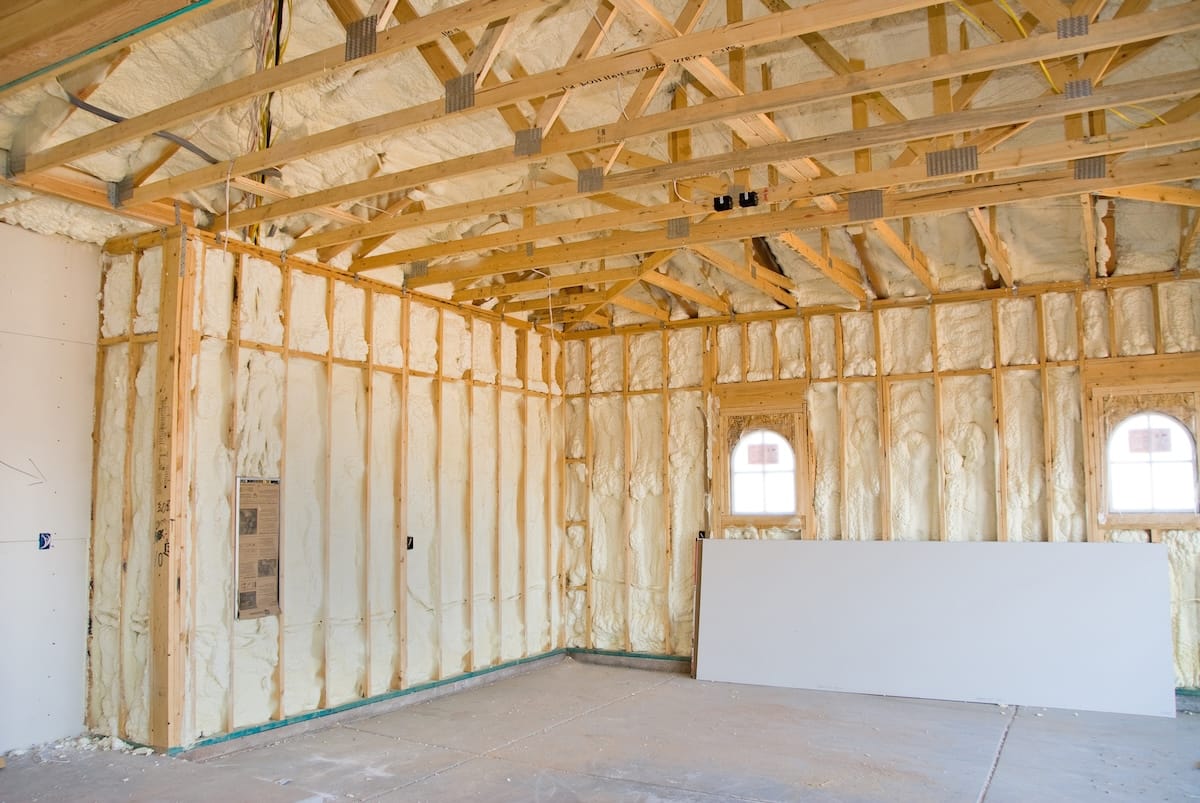
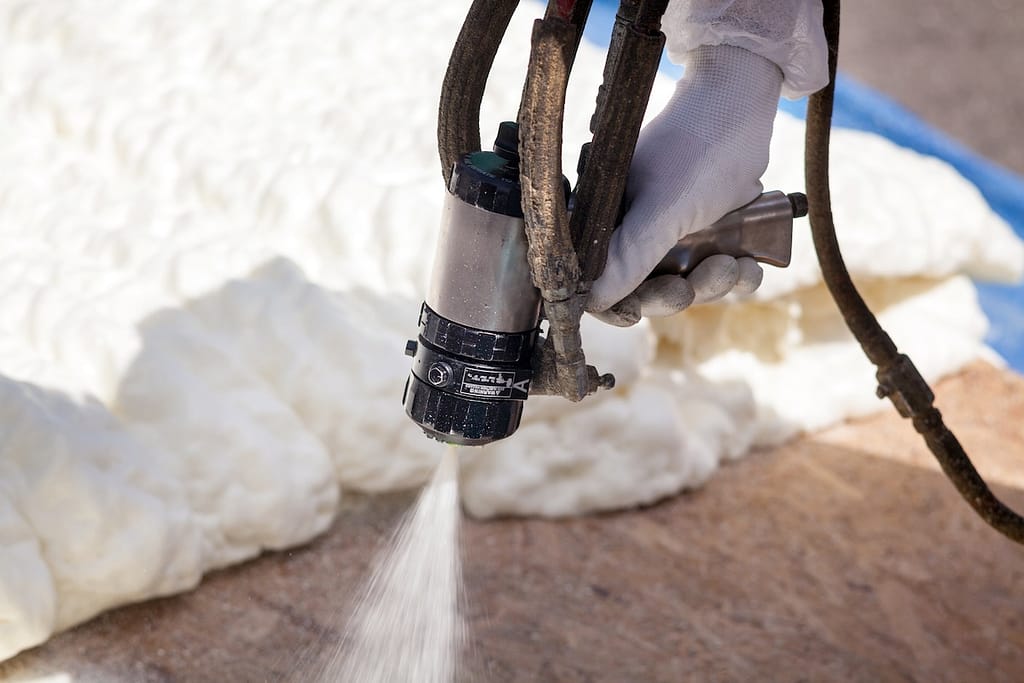
Spray foam insulation is a two-component material that expands when applied, filling cracks, seams, and cavities to create a continuous thermal and air barrier. It can be sprayed directly under roof decks or along attic rafters to insulate and seal the building envelope.
In Pleasant Hill and surrounding areas, where seasonal humidity and temperature swings are common, spray foam insulation is especially valuable for maintaining consistent indoor comfort while preventing moisture buildup that can lead to roof damage over time.
Types of Spray Foam Roof Insulation
Spray foam insulation comes in two main types: open-cell and closed-cell foam. Each offers distinct benefits depending on your home’s design, roof type, and insulation needs.
Open-Cell Spray Foam
Open-cell spray foam has a spongy texture and expands significantly when applied, making it ideal for filling irregular spaces. It’s lightweight, flexible, and provides excellent sound absorption.
While open-cell foam is less dense than closed-cell, it still delivers strong insulation performance. However, it’s more vapor-permeable, meaning it allows some moisture movement, which makes it best suited for interior roof applications with proper vapor barriers installed.
Closed-Cell Spray Foam
Closed-cell spray foam is denser and more rigid, providing superior moisture resistance and higher R-value per inch. It forms a strong, durable layer that not only insulates but also reinforces the roof structure.
Because of its waterproof qualities, closed-cell foam is ideal for both residential and commercial roofs in Pleasant Hill and surrounding areas. It’s especially beneficial in humid or flood-prone environments where moisture control is critical.
5-Step Process for Installing Spray Foam Roof Insulation
Professional installation ensures that spray foam insulation performs as intended. Here’s a breakdown of the typical installation process used by trained roofing and insulation specialists.
- Inspection and Preparation: Qualified technicians inspect the roof structure for leaks, moisture, and damage before applying spray foam. Any existing insulation that’s wet or degraded is removed to ensure a clean surface. Preparation may also involve sealing roof penetrations and covering areas not being sprayed.
- Surface Cleaning: Dust, dirt, and debris are cleaned from the roof deck or attic rafters. Proper cleaning ensures strong adhesion between the foam and substrate. A clean surface is critical for maximizing insulation lifespan and effectiveness.
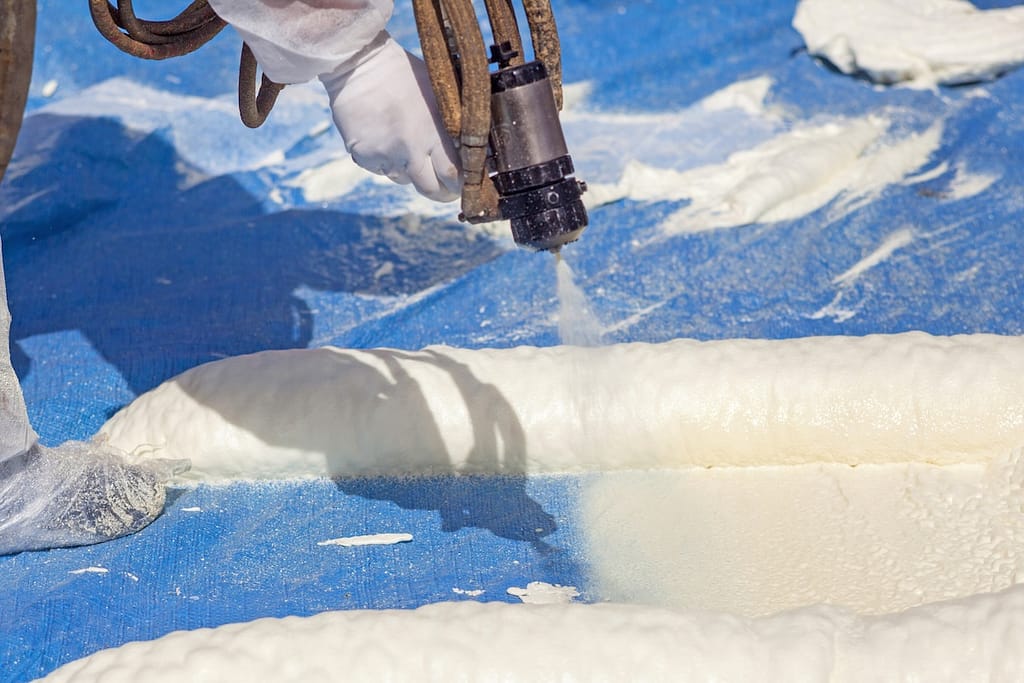
- Application of Spray Foam: The two liquid components—polyol resin and isocyanate—are mixed and sprayed onto the surface. The foam expands rapidly, filling gaps and cracks while forming a seamless layer. This step provides the continuous air barrier that makes spray foam so effective.
- Curing and Trimming: Once applied, the foam cures and hardens within minutes. Excess foam is trimmed to create an even surface, ensuring proper airflow and uniform thickness throughout the insulation area.
- Final Inspection and Cleanup: After curing, installers perform a final inspection to verify coverage, seal quality, and insulation depth. They also clean up any overspray or debris, leaving the space ready for use.
Advantages of Spray Foam Roof Insulation
Spray foam insulation provides benefits beyond simple temperature control—it helps extend your roof’s lifespan and improves indoor comfort.
- Superior air sealing: Expands into every crack, creating an airtight seal that prevents energy loss.
- Moisture control: Stops condensation that can lead to mold and wood rot.
- Increased structural strength: Closed-cell foam adds rigidity to the roof deck.
- Noise reduction: Open-cell foam dampens outside sounds for a quieter home.
- Long-term savings: Lowers energy bills and reduces wear on HVAC systems.
Common Applications for Spray Foam Insulation
Spray foam insulation is a versatile solution that works in both residential and light commercial settings. It adapts easily to different roof designs and building types, making it a smart choice for long-term performance.
Attic and Roof Decks
Spray foam insulation applied under the roof deck prevents heat transfer between the attic and living areas. It helps maintain consistent indoor temperatures and prevents ice dam formation during winter.
Cathedral Ceilings
For homes with vaulted ceilings, spray foam fits snugly between rafters, maximizing thermal resistance without the need for ventilation baffles. Its airtight seal also keeps warm air from escaping through high ceilings.
Metal Roof Systems
In Pleasant Hill and surrounding areas, spray foam is frequently used beneath metal roofing to reduce heat gain, minimize condensation, and add soundproofing. Closed-cell foam is particularly effective for this application due to its high moisture resistance.
Potential Drawbacks To Consider
Although spray foam offers exceptional benefits, it’s not the right solution for every situation.
- Higher upfront cost: Installation is more expensive than traditional insulation methods, though it provides long-term savings.
- Professional installation required: Improper mixing or application can affect performance.
- Limited DIY potential: Requires specialized equipment and experience to ensure safety and effectiveness.
Homeowners should always work with certified installers to ensure proper application and maximum value from their investment.
Open-Cell vs. Closed-Cell Spray Foam
Here’s a quick look at how the two main spray foam types compare:
| Feature | Open-Cell Foam | Closed-Cell Foam |
| Density | Low | High |
| R-Value per Inch | 3.5–3.7 | 6.0–7.0 |
| Moisture Resistance | Moderate | Excellent |
| Air Seal Quality | Very Good | Excellent |
| Best For | Interior spaces, soundproofing | Roof decks, exterior walls, metal roofs |
| Cost Level | Moderate | High |
Maintenance Tips for Spray Foam Roof Insulation
Although spray foam requires minimal upkeep, a few simple steps can help preserve its performance over time.
- Inspect annually: Check for signs of damage, cracks, or gaps caused by movement or repairs.
- Monitor roof leaks: If water intrusion occurs, dry the area immediately and contact a professional for inspection.
- Avoid direct UV exposure: When applied externally, foam should be coated with a protective sealant to prevent degradation from sunlight.
- Maintain proper ventilation: Even airtight insulation performs best when the attic maintains balanced airflow.
Finally, remember that the integrity of your insulation relies heavily on the watertight seal of the roof above it. If your spray foam is applied beneath a metal roofing system or near flashing points, preventing external leaks is crucial to avoiding water damage. Regularly checking seams and applying a durable metal roof sealant helps maintain a waterproof barrier, ensuring your insulation remains dry and effective for years to come.
Why Professional Installation Matters
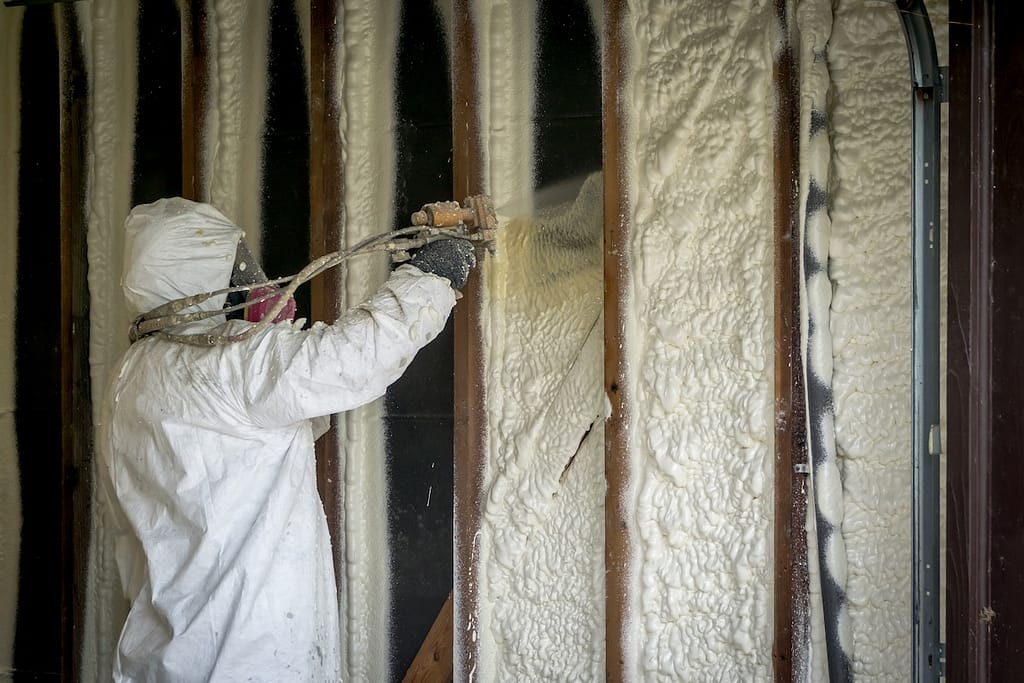
Spray foam installation is a precise process that requires experience and specialized tools. Professionals ensure the right foam type, application thickness, and curing time to achieve maximum energy efficiency and moisture control.
For homeowners in Pleasant Hill and surrounding areas, professional installation guarantees consistent coverage and compliance with building codes. It also ensures safety—since improper handling of materials can lead to chemical exposure or uneven curing.
Ultimately, ensuring your home is energy-efficient involves more than just a good install; it requires choosing the right material from the start. While spray foam is a powerful solution, it is only one of several options available to homeowners. To ensure you are making the best choice for your budget and climate, reviewing the 4 types of roof insulation will give you a clear comparison of the materials professional contractors recommend most.
Improve Efficiency and Protection With Heartland
Investing in spray foam roof insulation is one of the most effective ways to boost energy efficiency and safeguard your home against moisture-related damage. Whether you’re upgrading an attic, metal roof, or cathedral ceiling, spray foam delivers lasting performance and protection.
Heartland proudly serves homeowners in Pleasant Hill and surrounding areas with expert spray foam insulation and roofing solutions. Our experienced team ensures every project is completed to the highest standards for comfort, efficiency, and durability.
Contact Heartland today to schedule your free estimate and experience the lasting benefits of professional spray foam roof insulation for your home.

Get Started Today!
From roofing to siding, Heartland Roofing is the team you need to take your home exterior to the next level. All you need to do is reach out! Fill out our contact form or give us a call to get the reliable help that you need.


