

Shingle Roof Replacement: How to Know When It’s Time
September 23,2026
13 Minute Read
A shingle roof replacement is one of the biggest home maintenance decisions you will make, and knowing when it is truly time can save you from both premature spending and costly water damage. Shingle roofs, especially the asphalt shingles found on most Iowa homes, give plenty of warning signs before they fail, from curling and missing shingles to daylight on the roof deck, if you know what to look for. Catching these signs early lets you replace on your terms instead of scrambling after a leak. This guide walks through the clear signals, roof replacement costs in Iowa, and when to call a professional.
Here is what you will learn:
- The warning signs: The eight clear signals your shingle roof is ready for replacement.
- Age and lifespan: How long asphalt shingles last and why age matters.
- Cost and next steps: Iowa roof replacement costs and when to call roofing contractors.
Why Timing Your Roof Replacement Matters
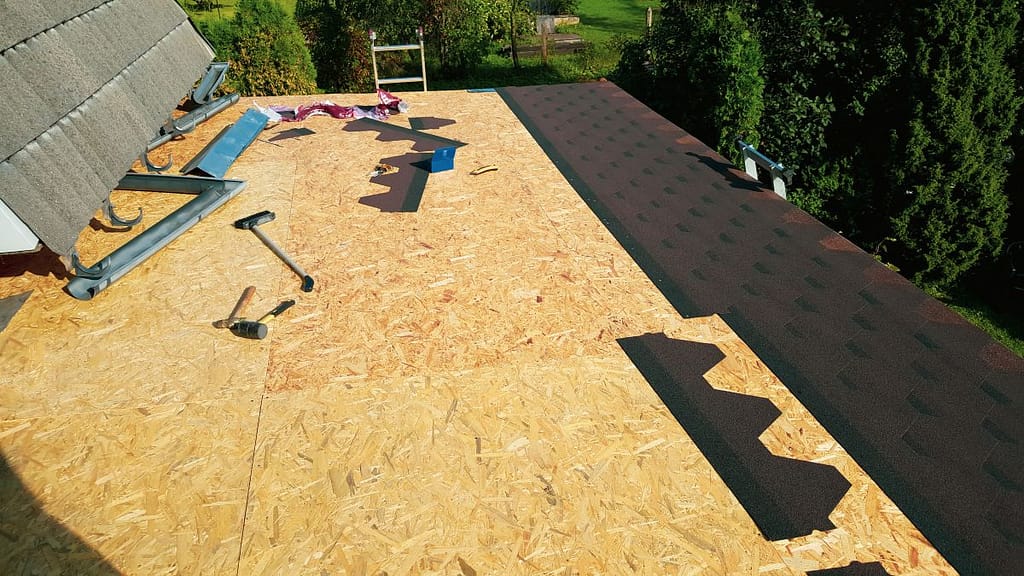
Replacing your roof at the right time protects both your home and your budget, so understanding the stakes helps you act wisely. Waiting too long is the costliest mistake.
Replacing Too Late Costs More Than the Roof
Waiting until a roof fails completely often means paying for interior damage on top of the roof itself, which is why timing matters so much. A failing roof lets water into the decking, attic, insulation, walls, and ceilings, turning a roofing project into a much larger repair. Replacing before that happens keeps the cost contained to the roof alone. Recognizing the warning signs early is the key to replacing on your schedule rather than after a crisis.
- Hidden costs: A failed roof damages the home’s interior.
- Water spreads: Leaks reach decking, insulation, and walls.
- Contained cost: Early replacement avoids interior repairs.
- Your schedule: Acting early beats scrambling after a leak.
Age Is the First Thing to Consider
The age of your roof is one of the most important factors in deciding whether it is time to replace it. According to the National Association of Home Builders Study of Life Expectancy of Home Components, asphalt shingle roofs last about 20 years on average, with architectural asphalt shingles reaching around 30. Other roofing materials last longer, with metal roofing often reaching 40 to 70 years, but asphalt shingles remain the most common choice in Iowa. If your roof is approaching or past its expected range, it is wise to have it evaluated even if it looks fine from the ground. For homeowners across Iowa City and surrounding areas, our climate can push roofs toward the lower end of that range.
- Age matters most: It is a primary replacement indicator.
- About 20 years: Typical lifespan for standard asphalt shingles.
- Architectural longer: These reach around 30 years.
- Iowa climate: Harsh weather can shorten lifespan.
8 Signs It’s Time for a Shingle Roof Replacement
The signs below are the clearest indicators that your shingle roof has reached the end of its life. This section introduces them, then breaks each one down so you can recognize when replacement is due.
1. Your Roof Is Past Its Expected Age
The most straightforward sign is simply age, since a roof approaching or beyond its expected lifespan is a candidate for replacement. A standard asphalt shingle roof lasting around 20 years may be due even without dramatic visible damage, because materials degrade with time and weather. If you know your roof’s age and it is nearing that mark, an inspection is wise. Age alone does not always mean replacement, but it is the first thing to check.
- Know the age: Track when your roof was installed.
- Nearing 20 years: Standard shingles may be due.
- Gradual decline: Materials degrade even without obvious damage.
- Get it checked: An inspection confirms remaining life.
2. Curling or Buckling Shingles
Shingles that are curling at the edges or buckling in the middle are a clear sign of age and weathering that often points to replacement. Curling happens as shingles dry out and lose flexibility, while buckling can signal moisture problems or poor ventilation underneath. Either way, affected shingles no longer seal properly and are vulnerable to wind and water. Widespread curling or buckling across the roof usually means the whole system is failing.
- Curling edges: Shingles dry out and lose their seal.
- Buckling: Can signal moisture or ventilation issues.
- Loss of protection: Affected shingles let water in.
- Widespread signal: Broad curling means system-wide failure.
3. Missing, Cracked, or Broken Shingles
Shingles that are missing, cracked, or broken leave your roof exposed and often indicate it is nearing the end of its life. A few missing shingles after a storm may be repairable, and it is sometimes possible to replace roof shingles in an isolated area, but widespread cracking and loss signal age-related deterioration that spot repairs cannot keep up with. Each gap is an entry point for water into the roof deck and layers below. When shingle loss becomes a recurring pattern, a full replacement is usually the smarter investment.
- Exposed roof: Gaps let water reach the decking.
- Widespread cracking: Signals age, not just isolated damage.
- Recurring loss: Repeated problems point to replacement.
- Entry points: Every gap invites water intrusion.
4. Granules Filling Your Gutters
Finding shingle granules collecting in your gutters is a telling sign that your roof is wearing out. The protective granules shield shingles from UV rays, and as a roof ages, it sheds them, often ending up in the gutters and downspouts. Bald spots on shingles and granule buildup together indicate the shingles are losing their protective surface and aging quickly. Significant granule loss is a strong signal that replacement is on the horizon.
- Granules in gutters: A clear sign of shingle wear.
- Lost protection: Granules shield shingles from UV.
- Bald spots: Exposed areas age fast.
- Strong signal: Heavy granule loss points to replacement.
5. Daylight or Leaks in the Attic
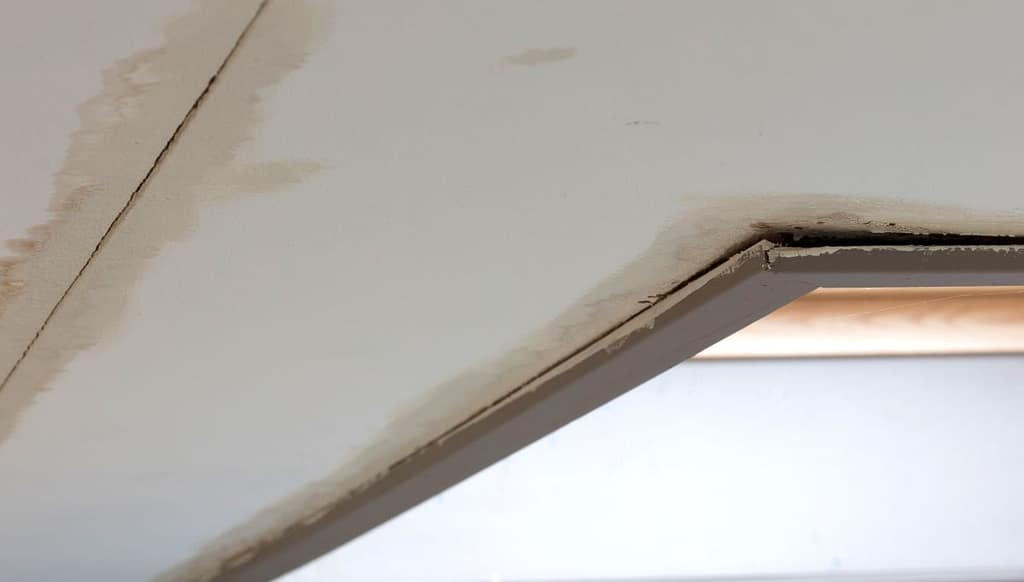
Seeing daylight through the roof boards or finding water stains in your attic means your roof is compromised and likely needs replacement. If light is getting through, so is water, and attic leaks or damp insulation confirm the roof is no longer keeping moisture out. These interior signs sometimes reveal problems before they are visible from outside. Daylight or active leaks in the attic call for prompt professional evaluation.
- Daylight showing: Gaps let in both light and water.
- Attic leaks: Stains and damp insulation confirm intrusion.
- Hidden problems: Interior signs catch early failure.
- Act promptly: These signs warrant a quick inspection.
6. Sagging Roof Areas
A sagging or drooping section of roof is a serious sign that often indicates structural problems and the need for replacement. Sagging can mean the decking has absorbed moisture and weakened, or that there is a structural issue beneath the shingles. This is more than a surface problem and should be assessed by a professional right away. A sagging roof is one of the clearest signals that waiting is not an option.
- Structural concern: Sagging points to deeper problems.
- Weakened decking: Moisture can rot the boards below.
- Not surface-level: This goes beyond the shingles.
- Assess quickly: Sagging needs prompt professional attention.
7. Rising Energy Bills
An unexplained rise in your heating and cooling bills can point to a failing roof with poor ventilation or insulation performance. As a roof and its underlying system deteriorate, they can let conditioned air escape and outside temperatures in, forcing your HVAC to work harder. While many factors affect energy bills, a roof at the end of its life can be a hidden contributor. Pairing higher bills with other roof signs strengthens the case for replacement.
- Higher bills: A failing roof can raise energy costs.
- Escaping air: Deterioration hurts efficiency.
- HVAC strain: Your system works harder to compensate.
- A contributing clue: Consider it alongside other signs.
8. Moss, Mold, or Rot
Widespread moss, mold, or visible rot on your roof can indicate trapped moisture and deterioration that may call for replacement. While a little moss can sometimes be cleaned, extensive growth holds moisture against the shingles and can accelerate decay, and rot signals the materials are breaking down. These issues are common in shaded, damp conditions and worsen over time. Significant moss, mold, or rot warrants a professional assessment of the roof’s condition.
- Trapped moisture: Moss and mold hold water against shingles.
- Accelerated decay: Growth speeds up deterioration.
- Rot is serious: It signals materials breaking down.
- Get it assessed: Extensive growth warrants inspection.
Roof Replacement Costs in Iowa
Cost is one of the first questions homeowners ask once they realize a new roof is coming, so it helps to understand real Iowa numbers. Pricing below reflects 2026 Iowa ranges, and an estimate for your home is the only way to know for sure.
What a Shingle Roof Replacement Costs in Iowa
Roof replacement costs in Iowa are generally lower than the national average, and asphalt shingles are the most affordable roofing material. According to This Old House, Iowa homeowners pay an average of about $6,160 for a roof replacement, with most projects ranging from roughly $4,800 to $15,800, and asphalt shingles running around $4.65 per square foot installed. Metal roofing runs higher, around $8.64 per square foot, reflecting its longer lifespan. For homeowners across Iowa City and surrounding areas, the size and pitch of your roof and the shingle grade you choose drive where you land in that range.
- Iowa average: About $6,160, with a common range near $4,800 to $15,800.
- Asphalt shingles: Roughly $4.65 per square foot installed.
- Metal roofing: Around $8.64 per square foot for longer life.
- Your factors: Roof size, pitch, and shingle grade set the price.
What Drives Your Roof Replacement Price
Several factors move the cost of replacing roof shingles up or down, and understanding them helps you read a quote. The size and pitch of the roof, the roofing materials you choose, the condition of the roof deck once the existing shingles come off, and the complexity of the roofline all affect the total. Standard three-tab asphalt shingles cost less than architectural asphalt shingles, which cost less than premium or metal roofing. Any roof deck repairs discovered during tear-off add to the price but are essential for a sound new roof.
- Size and pitch: Larger, steeper roofs cost more to install.
- Roofing materials: Architectural shingles and metal cost more than three-tab.
- Roof deck condition: Hidden deck repairs add to the total.
- Roofline complexity: Valleys and dormers increase labor.
Why the Cheapest Quote Isn’t Always Best
When comparing roofing contractors, the lowest bid can end up the most expensive if it reflects cut corners, thin materials, or a skipped roof deck inspection. A quality roof installation includes a full tear-off, proper roof deck repair, quality underlayment and flashing, and installation to manufacturer specifications. A workmanship warranty and a reputable, insured contractor are worth paying for on a new roof. Comparing quotes on scope and quality, not just price, protects your investment for decades.
- Watch for corners cut: A low bid may skip key steps.
- Full scope matters: Tear-off, roof deck repair, and proper materials count.
- Warranty value: A workmanship warranty is worth paying for.
- Compare fairly: Weigh scope and quality, not just price.
What to Do When It’s Time to Replace
Once you spot the signs, knowing the next steps helps you move forward with confidence. A professional assessment is the place to start.
Start With a Professional Inspection
The best first step is a professional roof inspection, which confirms whether replacement is truly needed or whether a repair will do. Qualified roofing contractors examine the roof shingles, flashing, roof deck, and attic, then explain what they find and lay out your options honestly. This assessment gives you a clear picture of your roof’s condition and a realistic timeline. An inspection turns guesswork into an informed decision.
- Expert assessment: A pro confirms repair versus replacement.
- Full inspection: Shingles, flashing, decking, and attic.
- Honest options: A good contractor explains your choices.
- Informed decision: Replaces guesswork with facts.
Repair or Replace, Made Clear
Knowing whether to repair or replace comes down to the extent of the damage and the age of the roof. Isolated damage on a relatively young roof can often be repaired, while widespread problems or an aging roof usually make a full roof installation the smarter long-term investment. In some cases a new layer can go over existing shingles, but a complete tear-off that exposes the roof deck is generally more reliable and often required for warranty coverage. A trustworthy contractor will tell you honestly which path makes sense rather than pushing the bigger job.
- Extent matters: Isolated damage may be repairable.
- Age matters: An old roof favors replacement.
- Honest guidance: A good contractor recommends the right path.
- Long-term value: The smart choice protects your budget.
Frequently Asked Questions
How much does a shingle roof replacement cost in Iowa?
Iowa homeowners pay an average of about $6,160 for a roof replacement, with most projects ranging from roughly $4,800 to $15,800 depending on roof size, pitch, and shingle grade. Asphalt shingles run around $4.65 per square foot installed, while metal roofing costs more. A professional estimate for your home gives the most accurate figure.
How long does a shingle roof last?
Standard asphalt shingle roofs last about 20 years on average, while architectural shingles can reach around 30, depending on quality, installation, and climate. Iowa’s storms and freeze-thaw cycles can push roofs toward the lower end of that range. If your roof is nearing its expected age, an inspection is wise.
Can I just repair my roof instead of replacing it?
Sometimes. Isolated damage on a relatively young roof can often be repaired, but widespread deterioration, recurring leaks, or an aging roof usually make replacement the smarter investment. A professional inspection is the best way to know which option makes sense for your home and budget.
How do I know if my roof damage is serious?
Signs like sagging, daylight in the attic, active leaks, and widespread missing or curling shingles indicate serious problems that need prompt attention. Subtle issues, especially hail damage, are best confirmed by a professional. When in doubt, an inspection gives you a clear answer.
Does a new roof add value to my home?
Yes. A new shingle roof improves curb appeal, reassures buyers, and removes a major concern from a home sale, making it a strong return on investment. Buyers pay close attention to roof condition. A recently replaced roof is a meaningful selling point.
How long does a shingle roof replacement take?
Most residential shingle roof replacements are completed in one to three days, depending on the size and complexity of the roof and the weather. A straightforward roof is often finished in a single day. Your contractor should give you a clear timeline up front.
What time of year is best to replace a shingle roof?
Late spring through early fall is often ideal in Iowa for milder weather and good shingle sealing, though replacements can be done nearly year-round. Scheduling before or after peak storm season can help with availability. A reputable contractor can advise on timing.
Why Heartland Is a Smart Choice for Your Shingle Roof Replacement
Knowing when to replace your roof is only half the decision; choosing the right contractor is the other half. Heartland Roofing, Siding & Solar helps homeowners across Iowa City and surrounding areas with honest inspections that tell you whether you truly need a replacement, and installs new roofs backed by Owens Corning Platinum Preferred status, a 10-year workmanship warranty on full replacements, and an A+ BBB rating. With a commitment to educational, no-pressure guidance, Heartland makes sure you replace your roof at the right time and for the right reasons. Reach out to Heartland today for a free inspection and expert guidance on your shingle roof replacement.

Get Started Today!
From roofing to siding, Heartland Roofing is the team you need to take your home exterior to the next level. All you need to do is reach out! Fill out our contact form or give us a call to get the reliable help that you need.


