

Roof Flashing Repair: Why It Matters & Signs It’s Failing
August 19,2026
10 Minute Read
Roof flashing repair is one of the most important yet overlooked parts of protecting your home, because flashing guards the exact spots where your roof is most likely to leak. These thin metal pieces seal the joints and transitions where the roof surface is interrupted, and when they fail, water finds its way in long before you might expect. This guide explains what flashing does, why it matters so much, the warning signs that it is failing, and when repair or replacement is the right call.
Here is what you will learn:
- What flashing does: The job flashing performs and why it is so critical.
- The warning signs: How to recognize when your flashing is failing.
- What to do: When flashing calls for repair versus replacement.
What Roof Flashing Is and Why It Matters
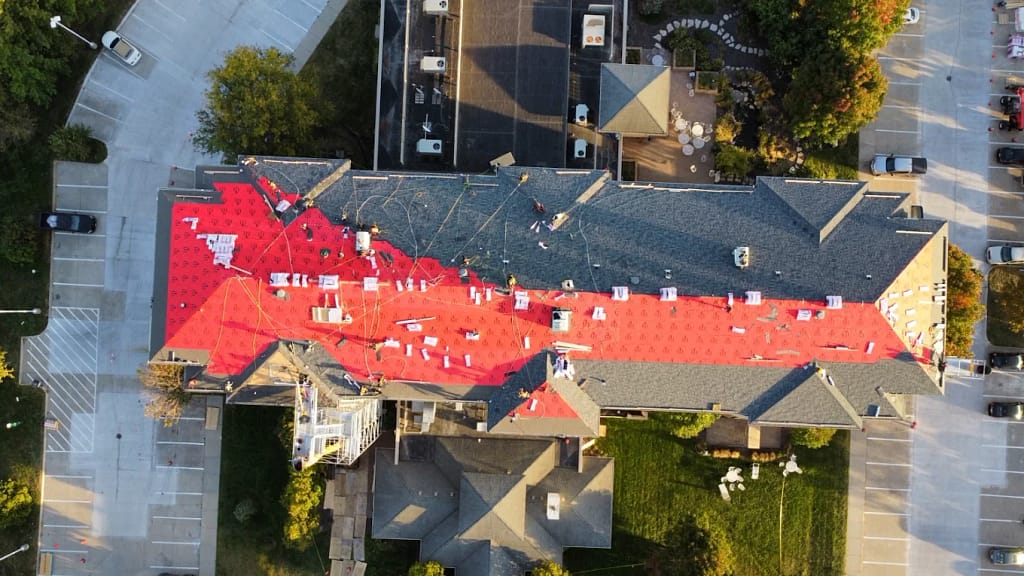
Flashing is a small component with an outsized job, and understanding what it does explains why its failure causes so many leaks. It protects your roof’s most vulnerable points.
What Roof Flashing Actually Does
Roof flashing is thin metal installed at the joints, edges, and penetrations of your roof to direct water away from the spots where the roof surface is interrupted. You will find it around chimneys, skylights, vents, and where the roof meets a wall, all places where the flat plane of the roof is broken and water could otherwise sneak in. Flashing channels water back onto the roof surface so it can drain safely instead of seeping into the structure. Without properly installed flashing, these transitions become open doors for water.
- Seals transitions: Protects joints, edges, and penetrations.
- Common locations: Chimneys, skylights, vents, and roof-to-wall areas.
- Directs water: Channels runoff safely back onto the roof.
- Critical role: Guards the roof’s most vulnerable points.
Why Flashing Is So Critical to Your Roof
Flashing matters because the transitions it protects are exactly where roofs are most likely to leak, making it one of the most important parts of the entire system. According to the U.S. Department of Energy’s Building America program, roof valleys and penetrations through the roof decking are among the most vulnerable areas for water intrusion, which is why they must be carefully sealed and integrated with flashing. When flashing fails, water can travel along framing and insulation and cause hidden damage far from the entry point. For homeowners across North Liberty and surrounding areas, keeping flashing sound is one of the best defenses against costly water damage.
- Protects weak points: Transitions are where roofs leak most.
- Vulnerable areas: Valleys and penetrations need careful sealing.
- Hidden damage: Failed flashing lets water travel and hide.
- A key defense: Sound flashing prevents costly water damage.
6 Signs Your Roof Flashing Is Failing
The signs below are the clearest indicators that your flashing needs attention. This section introduces them, then breaks each one down so you can recognize trouble before it becomes a major leak.
1. Water Stains on Ceilings or Walls
Water stains on your ceilings or walls are often the first visible sign that flashing has failed and water is getting past your roof’s defenses. Because water travels along framing before it appears inside, a stain may show up some distance from the actual flashing failure. These discolored patches, sometimes yellow or brown, indicate active or repeated water intrusion that needs prompt attention. Interior stains are a signal to have your flashing and roof inspected right away.
- First visible clue: Stains often reveal a flashing problem.
- Travels to appear: Water shows up away from the entry point.
- What to look for: Yellow or brown discolored patches.
- Act promptly: Interior stains warrant a professional inspection.
2. Rust, Corrosion, or Cracks on the Flashing
Visible rust, corrosion, or cracking on the flashing itself is a clear sign it is deteriorating and losing its ability to keep water out. Metal flashing can corrode over years of exposure, and once the protective surface breaks down, it rusts faster and eventually develops holes. Cracks and splits, even small ones, create direct paths for water to enter. If you can safely see damaged, rusted, or cracked flashing, it is time to have it repaired or replaced.
- Rust and corrosion: Deteriorating metal loses its seal.
- Cracks and splits: Even small ones let water in.
- Progressive damage: Corrosion worsens and forms holes.
- Clear signal: Visible damage means repair is needed.
3. Lifted, Loose, or Missing Flashing
Flashing that has lifted, come loose, or gone missing entirely leaves your roof’s most vulnerable areas exposed to water and wind. Temperature swings cause the roof to expand and contract, which can work flashing loose and break its seal over time, while storms and high winds can bend or tear it away. Any gap where flashing has pulled away from the roof or wall is an open invitation for water. Loose or missing flashing should be addressed quickly before the next storm.
- Lifted or loose: Thermal movement breaks the seal.
- Storm damage: Wind can bend or tear flashing away.
- Exposed gaps: Any opening invites water intrusion.
- Fix quickly: Address before the next rain or storm.
4. Dried, Cracked, or Missing Sealant
The sealant that helps secure flashing dries out, cracks, and fails over time, creating small but persistent leak points. Sun, temperature swings, and age cause caulking and sealant to harden and separate from the metal and roof surface. Once the sealant fails, water can work its way behind the flashing even if the metal itself looks intact. Refreshing or replacing failed sealant is a common part of flashing repair.
- Sealant fails: Caulking dries, cracks, and separates.
- Caused by: Sun, heat, and age break it down.
- Hidden entry: Water gets behind flashing despite sound metal.
- Common repair: Resealing is a routine part of the fix.
5. Granules or Debris Where Flashing Meets the Roof
Finding shingle granules collecting near flashing, or debris trapped at flashing joints, can signal wear and trouble spots developing at these transitions. As the areas around flashing degrade, shingles nearby may shed granules faster, and trapped debris holds moisture against the metal, accelerating corrosion. These subtle clues often appear before a leak does, giving you a chance to act early. Noticing buildup around flashing is a reason to have those areas checked.
- Granule buildup: Signals wear near the flashing.
- Trapped debris: Holds moisture and speeds corrosion.
- Early warning: These clues can precede a leak.
- Worth checking: Buildup is a reason for inspection.
6. Damp Spots or Mold in the Attic
Damp insulation, water marks, or mold in the attic near roof penetrations and wall intersections often point to failing flashing above. The attic frequently reveals flashing leaks before they show up in living spaces, since that is where water first enters. Musty odors, discolored insulation, or visible moisture around chimneys and vents are all warning signs worth investigating. Checking the attic after heavy rain can help you catch flashing problems early.
- Attic clues: Damp insulation and water marks near penetrations.
- Reveals leaks early: Water shows here before living spaces.
- Watch for: Musty odors, mold, and discoloration.
- Check after rain: Inspect the attic to catch issues early.
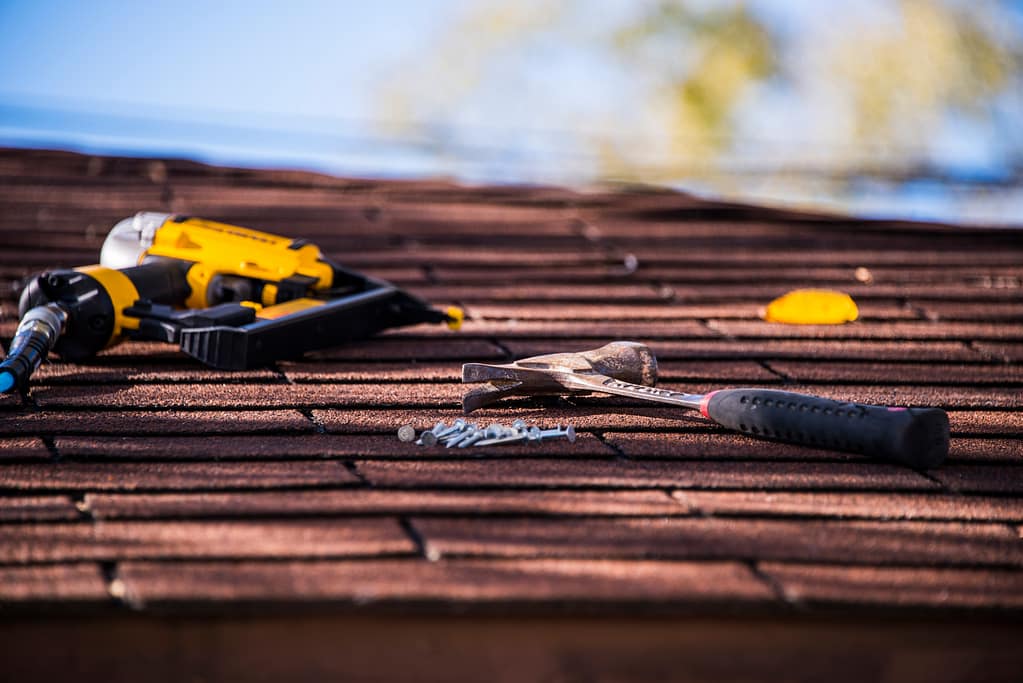
When to Repair Versus Replace Flashing
Not every flashing problem requires the same fix, and knowing the difference helps you make the right call. The extent of the damage guides the decision.
When Flashing Can Be Repaired
Minor flashing issues, such as small gaps, limited sealant failure, or a single loose section, can often be repaired rather than fully replaced. If the flashing metal is largely sound and the problem is isolated, a contractor can reseal, refasten, or patch the affected area to restore a watertight seal. Catching problems early often keeps them in repairable territory. A prompt, targeted repair is usually the most cost-effective solution for isolated issues.
- Minor issues: Small gaps and limited sealant failure.
- Sound metal: Repair works when the flashing is largely intact.
- Targeted fix: Reseal, refasten, or patch the area.
- Cost-effective: Early repair keeps costs down.
When Flashing Should Be Replaced
Flashing with widespread rust, significant cracking, large gaps, or evidence of previous failed repairs should be replaced rather than patched. Patching severely deteriorated flashing offers only temporary relief and can mask ongoing water intrusion that continues doing hidden damage. When flashing has reached the end of its life, full replacement restores lasting protection. A qualified contractor can assess whether repair or replacement makes more sense for your situation.
- Widespread damage: Extensive rust or cracking calls for replacement.
- Failed patches: Previous repairs that did not hold signal replacement.
- Temporary fixes fail: Patching bad flashing masks ongoing damage.
- Lasting protection: Replacement restores a reliable seal.
Frequently Asked Questions
How much does roof flashing repair cost?
Flashing repair costs vary based on the location, extent of the damage, and whether it is a simple reseal or a full replacement of a section. Minor repairs are relatively affordable, while replacing flashing around a chimney or multiple penetrations costs more. A professional inspection and written estimate give you an accurate figure for your situation.
Can I repair roof flashing myself?
Small sealant touch-ups may seem simple, but flashing repair is best left to a professional because the details matter and roof work is dangerous. Improper repairs can trap water, mask ongoing damage, or fail quickly, and the entry point is often not where the leak appears. A qualified contractor finds the true source and repairs it correctly.
How long does roof flashing last?
Flashing lifespan depends on the material and installation, but it often needs attention before the roof itself does, since sealant and exposed metal wear faster. Regular inspections help you catch flashing problems early. Many roof replacements include new flashing as part of best practice.
Is failing flashing an emergency?
It is more urgent than many homeowners realize. Even a small flashing failure can allow slow, repeated water intrusion that causes hidden damage over time. Because the damage accumulates unseen, it is best to address flashing problems promptly rather than waiting for an obvious leak.
Do I need new flashing when I replace my roof?
In most cases, yes. Installing new flashing as part of a roof replacement is considered best practice, since reusing old flashing can compromise an otherwise new roof. A reputable contractor will typically include new flashing where needed. This helps ensure the whole system performs and lasts.
Where does flashing fail most often?
Flashing most commonly fails at chimneys, roof-to-wall intersections, valleys, and around vents and pipes, since these transitions concentrate water flow. Chimneys are a frequent trouble spot because they require several layers of flashing. A thorough inspection checks every flashing location, not just the one that is leaking.
Why Heartland Is a Smart Choice for Roof Flashing Repair
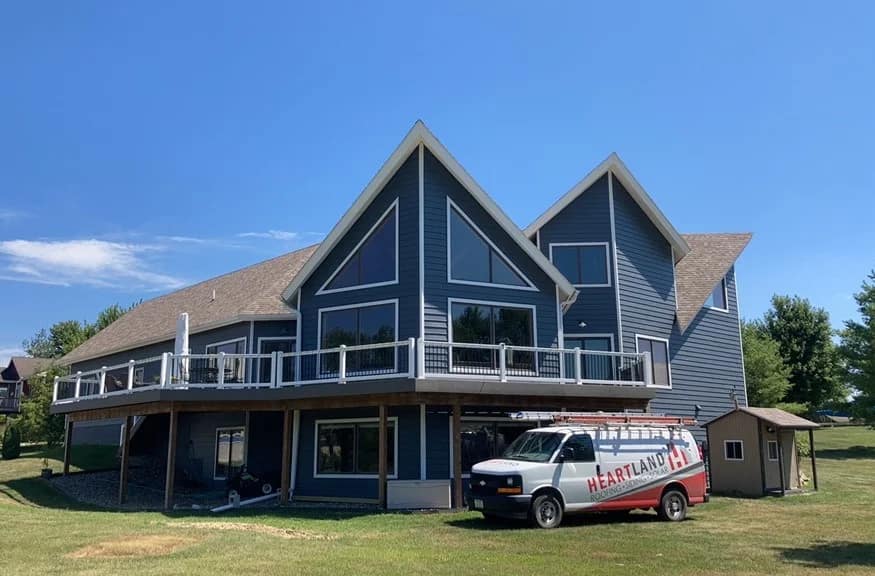
Flashing problems are easy to miss and costly to ignore, which is why it helps to have an experienced local team that knows exactly where roofs tend to leak and how to fix them right. Heartland Roofing, Siding & Solar helps homeowners across North Liberty and surrounding areas find the true source of flashing leaks, make lasting repairs, and protect the whole roof system, all with honest, educational guidance rather than high-pressure sales. With an A+ BBB rating and a commitment to quality workmanship, Heartland treats flashing as the critical detail it is, not a minor accessory. Reach out to Heartland today for a free inspection and expert guidance on your roof flashing repair.

Get Started Today!
From roofing to siding, Heartland Roofing is the team you need to take your home exterior to the next level. All you need to do is reach out! Fill out our contact form or give us a call to get the reliable help that you need.


