

What Is Roof Decking? 5 Benefits, Types & More
November 18,2025
5 Minute Read
Understanding the fundamentals of your roof construction is essential for maintaining the safety and durability of your home. One critical component often overlooked is roof decking. This structural element serves as the foundation that supports your entire roofing system, directly influencing its strength and longevity. Whether you are considering repairs or a complete replacement, having a clear grasp of roof decking and its benefits can help you make better decisions. For comprehensive support with all your roofing needs, specialized services can provide expert guidance and quality installation that safeguards your investment.
- Learn why roof decking is a vital part of your roofing system.
- Discover the top benefits of quality roof decking materials.
- Explore the different types of roof decking used in residential construction.
- Understand common issues with roof decking and how to prevent them.
- Find out how to assess and maintain roof decking for long-term durability.
Why Roof Decking Is Essential for Your Home’s Protection
Roof decking acts as the primary surface to which roofing materials are attached. Without a solid roof deck, your shingles or tiles will have nothing to hold onto, which compromises the overall integrity of your roof. This foundational role makes the roofing deck critical for several reasons.
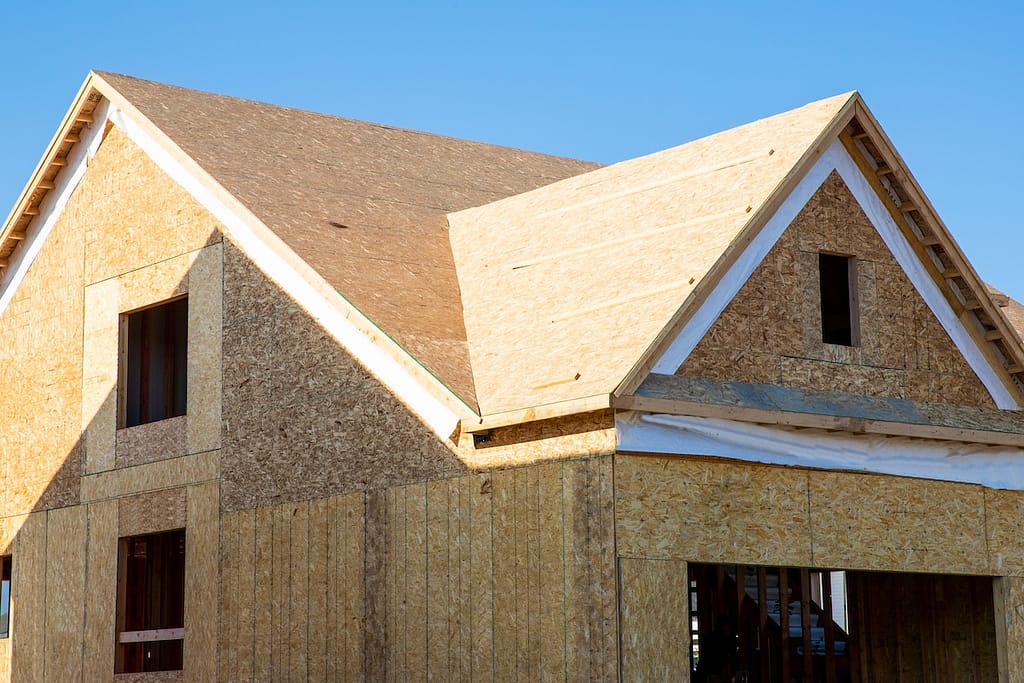
- Structural Support: Roof decking provides a sturdy base that supports the weight of roofing materials and any additional loads such as snow or debris.
- Weather Barrier: When properly installed, it forms a waterproof barrier that minimizes infiltration from rain, wind, and ice.
- Insulation Enhancement: It can improve your roof’s insulation capabilities, helping regulate indoor temperatures and lower energy bills.
- Safety: A reinforced roof deck offers safer conditions for workers during installation and repairs.
Recognizing the importance of roof decking can help you prioritize checking its condition during routine roof inspections.
5 Key Types of Roof Decking Materials Used Today
The choice of roof decking material depends on the structure, climate, and budget. Each type offers different advantages and drawbacks. Below is a breakdown of the most common roof decking materials to help you understand which might be best suited to your home.
1. Plywood Decking
Plywood is the most widely used roof decking material in residential roofing. It consists of thin layers of wood veneer glued together, offering excellent strength and flexibility.
- Highly durable under normal weather conditions
- Cost-effective and easy to install
- Offers good resistance to warping and cracking
2. Oriented Strand Board (OSB)
OSB is an engineered wood product made from compressed wood strands and adhesives. It serves as an affordable alternative to plywood with similar performance.
- Uniform and consistent strength
- Less prone to moisture absorption when properly sealed
- Widely available and easy to work with
3. Plank Decking
Used in older or historic homes, plank decking consists of solid wood boards laid side by side.
- Can provide a rustic aesthetic
- Generally thicker and heavier than plywood or OSB
- Requires frequent maintenance to prevent rot and insect damage
4. Concrete Decking
Primarily found in commercial or flat roofs, concrete decking offers exceptional fire resistance and strength.
- Excellent for support of heavy roofing systems
- Highly durable and long-lasting
- Less common in residential roofing due to cost and weight
5. Metal Decking
Common in commercial buildings, metal decking is used for its lightweight and durable characteristics.
- Resistant to fire, rot, and pests
- Requires specialized installation skills
- Not typical for residential single-family homes
How to Identify and Prevent Common Roof Decking Problems
Maintaining the health of your roof decking can prevent costly repairs in the future. Common issues often originate from water damage, improper installation, or material degradation. To ensure you understand this crucial structural foundation—which is the unseen layer supporting your entire roofing system—master the details of roof sheathing to protect your home from the frame up. Here are some signs and preventative measures.
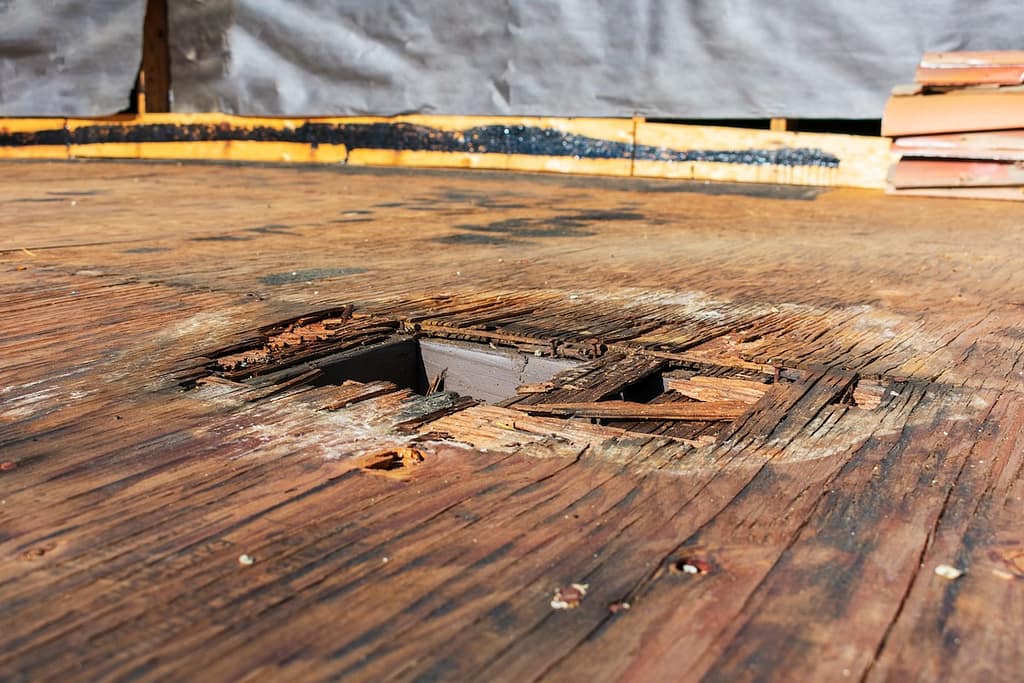
Signs of Damaged Roof Decking
- A Sagging Roof or Uneven Surfaces: This can indicate weakened or rotting decking.
- Leaks and Water Stains: Water can cause wood decking to warp or rot over time.
- Brittle or Crumbling Sections: This points to material breakdown, often from prolonged exposure to moisture.
- Mold or Mildew Growth: Often a result of trapped moisture and poor ventilation.
Preventative Measures
- Regular Inspections: Schedule annual roof inspections to catch issues early.
- Proper Ventilation: Ensure your attic space has adequate airflow to reduce moisture buildup.
- Use Quality Materials: Choosing certified roof decking materials with moisture resistance can increase lifespan.
- Professional Installation: Skilled contractors follow best practices that prevent common structural problems.
Comparing Roof Decking Options: Which One Is Right for Your Home?
Choosing the appropriate roof decking depends on your property’s specific needs, your budget, and the local climate conditions in areas such as Kansas City and surrounding areas. Below is a comparison table highlighting major factors to consider when selecting roof decking material.
| Material | Durability | Cost | Moisture Resistance | Installation Complexity |
| Plywood | High | Moderate | Moderate | Moderate |
| OSB | Moderate | Low | Moderate | Moderate |
| Plank | Variable | High | Low | High |
| Concrete | Very High | High | High | High |
| Metal | Very High | High | Very High | High |
For many residential homes in Kansas City and surrounding areas, plywood and OSB roofing decks offer the best balance of cost and performance. However, consulting a roofing expert ensures you get the material best suited to your home’s unique needs.
Protect Your Home by Prioritizing Roof Decking Quality
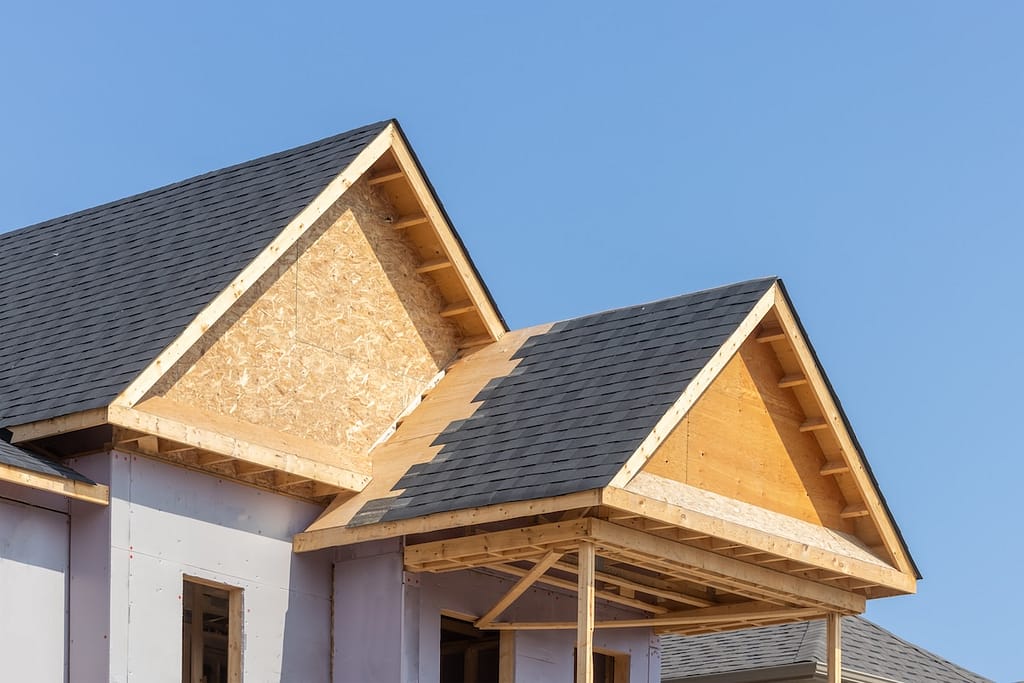
Roof decking plays a foundational role in the effectiveness and lifespan of your roof. When properly selected, installed, and maintained, it prevents damage, enhances structural integrity, and supports your entire roofing system. This structural defense works in tandem with all sealing components; to understand the metal barriers that protect your roof’s most vulnerable joints, explore our guide to roof flashing.
If you suspect issues with your roof decking or are planning a new roof installation, it is important to work with roofing specialists who can provide customized advice and professional services. Don’t wait until minor problems escalate; contact us today to schedule a consultation and safeguard your roofing investment for years to come.

Get Started Today!
From roofing to siding, Heartland Roofing is the team you need to take your home exterior to the next level. All you need to do is reach out! Fill out our contact form or give us a call to get the reliable help that you need.


