
What Is Rolled Roofing? (Materials, Installation & More)
January 13,2026
6 Minute Read
If you’ve ever wondered what rolled roofing is and whether it’s right for your home, you’re not alone. This material is a practical and affordable roofing option, especially for low-slope or secondary structures.
- Affordability: One of the most budget-friendly roofing materials available.
- Ease of installation: Quick to apply, even on smaller structures.
- Versatility: Works well for low-slope residential and light commercial roofs.
Homeowners in Iowa City and surrounding areas often choose rolled roofing for garages, sheds, and flat-roof additions because it’s cost-effective and easy to install.
What Is Rolled Roofing?
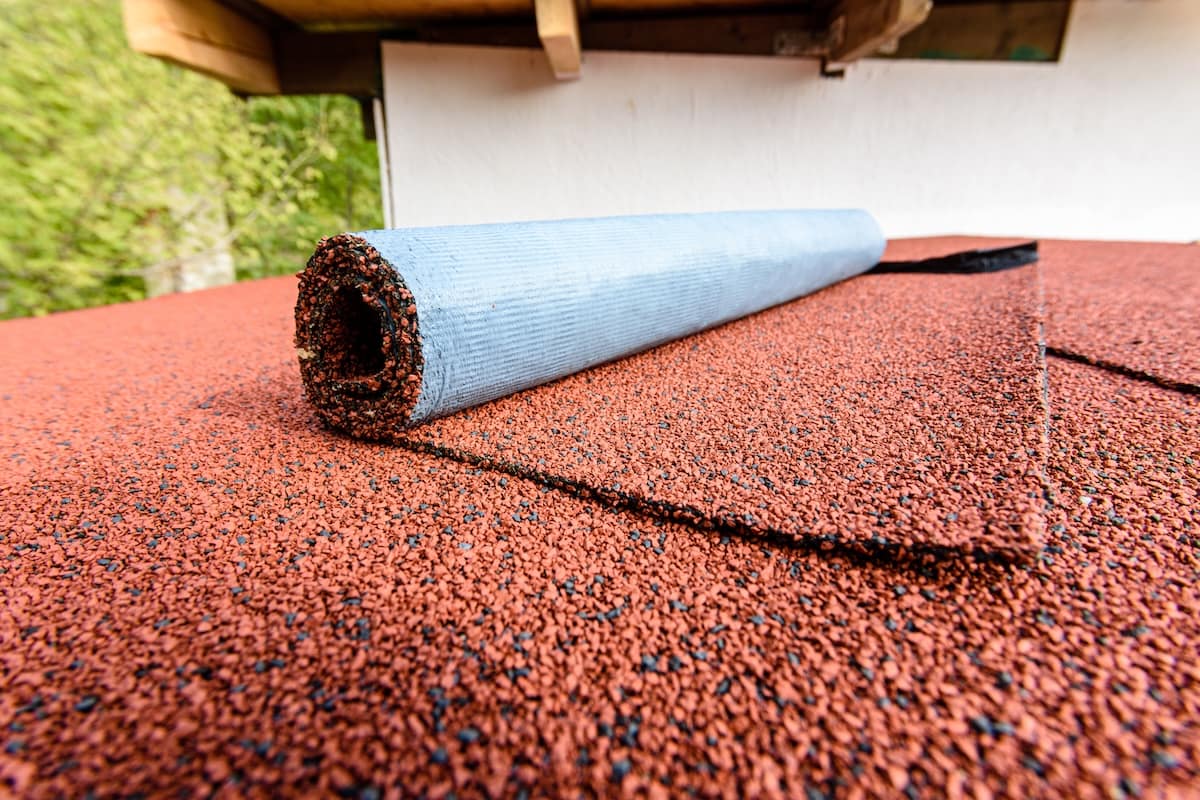
Rolled roofing, also known as mineral-surfaced roll roofing (MSR), is a durable asphalt-based material sold in rolls. It’s made from similar materials as asphalt shingles—fiberglass or organic felt topped with mineral granules—but designed for simpler, faster application.
In Iowa City and surrounding areas, rolled roofing is popular for secondary structures and flat or low-slope roofs that don’t require the complexity of traditional shingles. Its flexibility and affordability make it an attractive option for homeowners seeking quick, effective roof protection.
When To Use Rolled Roofing
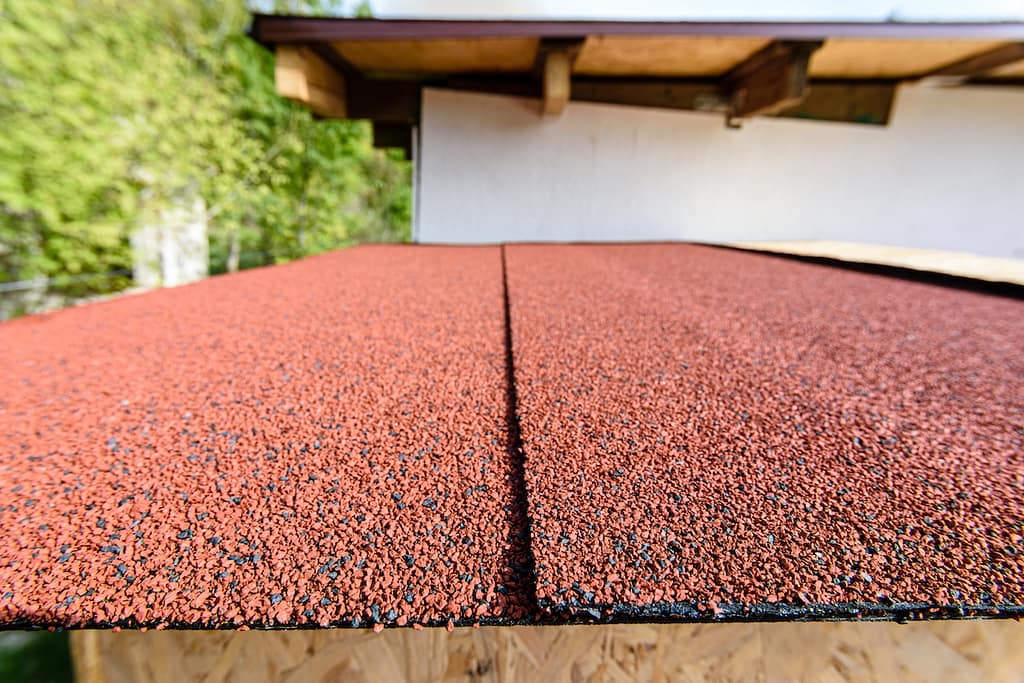
While not suited for steep-slope residential roofs, rolled roofing performs well on smaller or less visible areas. It’s a go-to choice when you need reliable weatherproofing without the cost of a full roof replacement.
- Sheds and garages: Provides a durable, affordable waterproof layer.
- Home additions: Ideal for flat or low-pitch extensions.
- Porches and patios: Easy to apply over small, uniform surfaces.
- Temporary fixes: Can extend roof life until a permanent replacement is installed.
Types of Rolled Roofing Materials
Different types of rolled roofing suit various needs. Each option offers unique benefits in durability, appearance, and budget, helping homeowners choose what works best for their project.
Asphalt Rolled Roofing
This is the most common type, featuring a base of fiberglass or organic felt coated with asphalt and mineral granules. It’s lightweight, flexible, and available in several color options. Asphalt rolled roofing provides short-term protection—typically lasting 5–10 years—and is ideal for utility buildings or outbuildings in Iowa City and surrounding areas.
Rubber Rolled Roofing (EPDM)
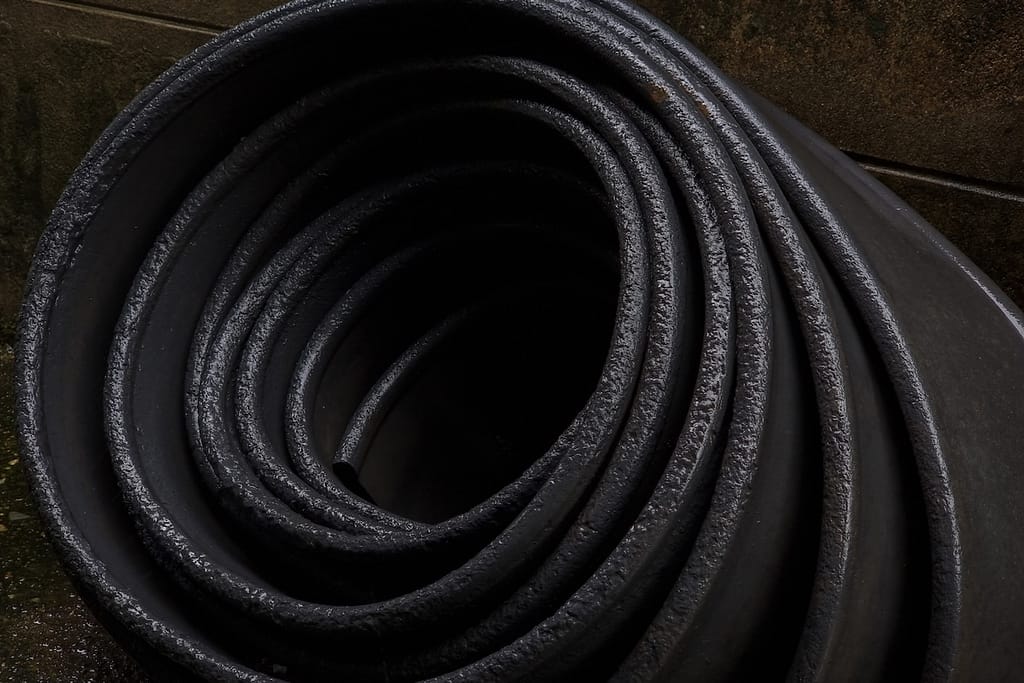
Rubber-based rolled roofing is made from ethylene propylene diene monomer (EPDM), a synthetic material known for its flexibility and weather resistance. It’s more durable than asphalt rolls and can last up to 20 years when properly maintained. Rubber roofing is a great choice for homeowners looking for longer-term protection on low-slope roofs.
Modified Bitumen Roofing
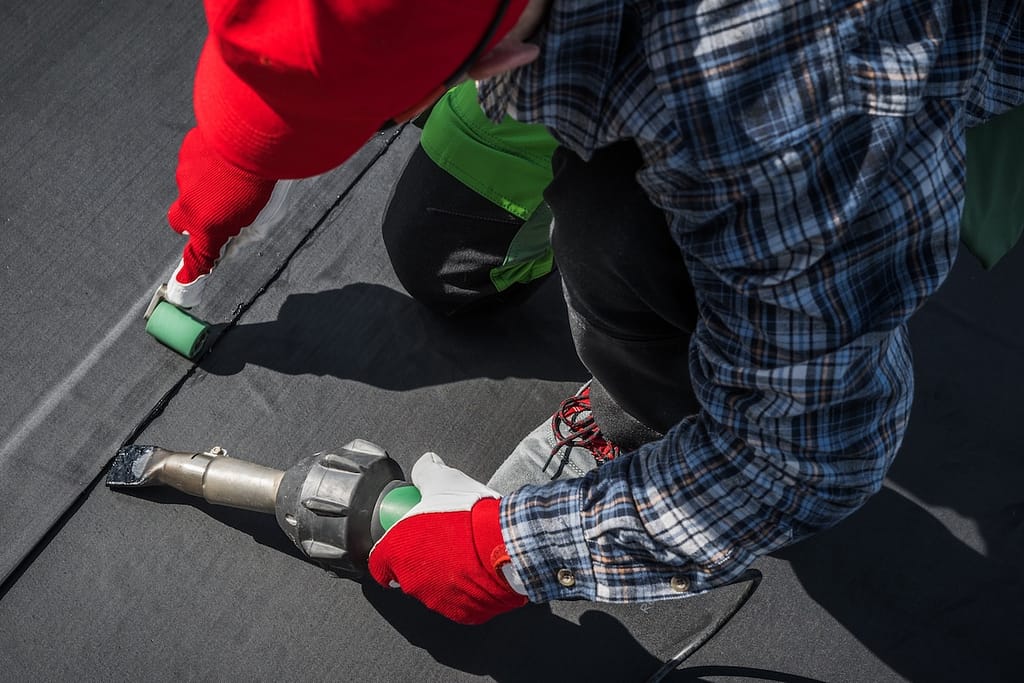
Modified bitumen rolls combine asphalt with polymer modifiers for enhanced strength and flexibility. They can be installed with heat welding, adhesive, or peel-and-stick backing. This material performs exceptionally well in extreme temperatures, making it a smart choice for Iowa’s freeze-thaw climate.
6 Steps to Install Rolled Roofing
Installing rolled roofing is relatively straightforward, but precision is key to achieving a watertight seal. Follow these six basic steps for a professional-quality finish.
- Clean and Prepare the Roof Surface: Start by clearing dirt, debris, and old roofing materials. A smooth, dry surface ensures the new material adheres properly and prevents bumps or wrinkles after installation.
- Measure and Cut the Rolls: Measure your roof to determine how many rolls you’ll need. Cut the material into sections that are easy to handle, leaving a few extra inches for overlapping seams.
- Apply Roofing Cement or Underlayment: Spread roofing cement or install a suitable underlayment for added moisture protection. This layer helps improve adhesion and prevents leaks.
- Position and Secure the First Roll: Begin at the lowest edge of the roof and roll out the first section. Align it carefully and use roofing nails or adhesive to secure it in place. Smooth out any wrinkles as you go.
- Overlap and Seal Seams: Each new roll should overlap the previous one by at least 2 inches. Apply roofing cement between overlaps and press down firmly to create a waterproof seal.
- Finish With Edge Sealing and Inspection: Once all sections are in place, apply a final coat of cement along edges and seams. Inspect the roof for gaps or bubbles to ensure a smooth, even finish.
Benefits of Rolled Roofing
Although it’s not as long-lasting as metal or shingles, rolled roofing offers several key advantages.
- Budget-friendly: Ideal for homeowners who want affordable, short-term protection.
- Fast installation: Can be completed in a single day with minimal tools.
- Lightweight design: Doesn’t require additional structural reinforcement.
- Weather resistance: Provides effective waterproofing against rain and snow.
Common Mistakes To Avoid
Installing rolled roofing improperly can shorten its lifespan or lead to leaks. Avoid these frequent errors:
- Skipping underlayment: Leaves the roof vulnerable to moisture intrusion.
- Overlapping too little: Gaps between rolls can allow water infiltration.
- Failing to secure edges: Unsealed edges may curl or lift in high winds.
- Using on steep slopes: Rolled roofing is designed for low-slope surfaces only.
Maintenance Tips for Rolled Roofing
While rolled roofing requires minimal upkeep, regular inspections will help prolong its lifespan.
- Inspect annually: Check for cracks, lifted seams, or punctures.
- Clean debris: Remove branches, leaves, and dirt that can trap moisture.
- Reapply sealant: Refresh roofing cement or coating every few years to maintain waterproofing.
- Address small leaks quickly: Patching early prevents larger problems.
Rolled Roofing vs. Other Roofing Materials
Here’s a quick comparison to help you understand how rolled roofing stacks up against other common options:
| Roofing Material | Lifespan | Cost Level | Maintenance | Best For |
| Rolled Roofing | 5–10 years | Low | Low | Garages, sheds, flat roofs |
| Asphalt Shingles | 20–30 years | Moderate | Moderate | Residential homes |
| Metal Roofing | 40–70 years | High | Low | Long-term durability |
| EPDM Rubber Roofing | 20–30 years | Moderate | Low | Commercial and low-slope roofs |
Why Professional Installation Matters
While rolled roofing can be installed by skilled DIYers, qualified roofers ensure better sealing, alignment, and long-term performance. Professional contractors also use the right adhesives and equipment to guarantee a watertight finish.
Homeowners in Iowa City and surrounding areas can benefit from professional installation that maximizes durability and minimizes the risk of premature wear or leaks.
Affordable Roofing Solutions With Heartland
Understanding what rolled roofing is—and how it’s installed—can help you make an informed decision for your next roofing project. It’s a practical, affordable option for smaller or low-slope structures that need reliable protection from the elements.
Heartland proudly serves homeowners in Iowa City and surrounding areas with expert roofing services, including rolled roofing installation, repair, and maintenance. Our team delivers high-quality results that ensure lasting performance and value.
Contact Heartland today to schedule your free estimate and learn whether rolled roofing is the right choice for your property.

Get Started Today!
From roofing to siding, Heartland Roofing is the team you need to take your home exterior to the next level. All you need to do is reach out! Fill out our contact form or give us a call to get the reliable help that you need.


