

Metal Roof Repair: What Can Be Fixed vs. What to Replace
August 05,2026
12 Minute Read
Metal roof repair is often far simpler and more affordable than homeowners expect, because many of the issues that affect metal roofs are localized problems that a skilled contractor can fix without replacing the whole system. The trick is knowing which problems are worth repairing and which signal that replacement is the smarter long-term investment. This guide breaks down the common metal roof issues that can be fixed, the signs it is time to replace, what repairs cost, and how to choose the right contractor.
Here is what you will learn:
- What can be fixed: The common metal roof problems a contractor can usually repair.
- When to replace: The signs that repair is no longer the smart choice.
- How to choose: What to look for in a contractor and what repairs typically cost.
Why Metal Roofs Are Often Repairable
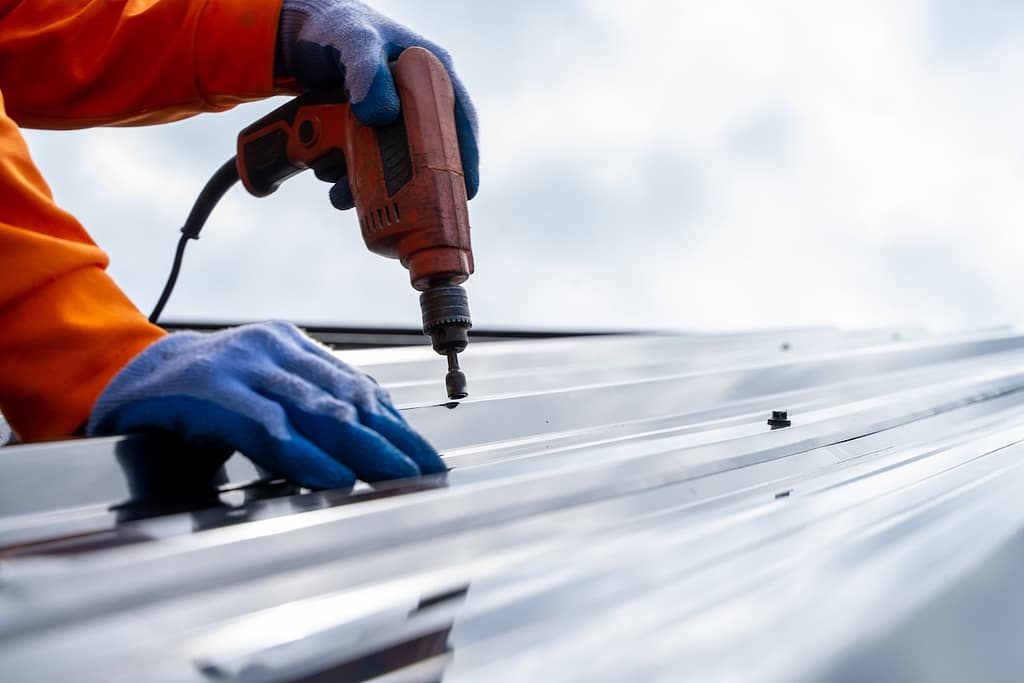
Metal roofs are built to last for decades, which is exactly why many problems can be repaired rather than triggering a full replacement. Understanding their durability helps explain when a repair makes sense.
How Durable Are Metal Roofs, Really?
Metal roofs are among the most durable roofing systems available, engineered to withstand severe weather that would damage other materials. According to the Federal Emergency Management Agency, metal roof systems can be designed and installed to enhance wind resistance in high-wind regions with design wind speeds greater than 90 miles per hour. That underlying strength means that when damage does occur, it is often localized to fasteners, seams, or a single panel rather than the whole roof. For homeowners across Iowa City and surrounding areas, that durability is why a storm-damaged metal roof can frequently be repaired rather than replaced.
- Built tough: Metal systems are engineered to resist severe weather.
- Wind resistant: Properly installed systems handle high design wind speeds.
- Localized damage: Problems often affect fasteners or one panel, not the whole roof.
- Repair-friendly: That strength makes targeted repairs possible.
What Determines Whether to Repair or Replace?
The repair-versus-replace decision comes down to the extent of the damage, the age of the roof, and whether the underlying system is still sound. Isolated damage on a roof with decades of life left almost always favors repair, while widespread corrosion, structural issues, or a roof near the end of its lifespan may point to replacement. Cost matters too, since when repairs approach a large share of replacement cost, replacement becomes the better value. An honest contractor weighs all of these factors rather than defaulting to the most expensive option.
- Extent of damage: Isolated issues favor repair; widespread damage favors replacement.
- Roof age: A newer roof is almost always worth repairing.
- System condition: Sound underlying structure supports repair.
- Cost balance: Repairs nearing replacement cost tip toward replacing.
6 Common Metal Roof Problems That Can Be Repaired
The problems below are the issues a qualified contractor can usually fix without a full replacement. This section introduces them, then breaks each one down so you know what is typically repairable.
1. Loose or Backed-Out Fasteners
Loose, backed-out, or missing fasteners are among the most common metal roof problems and are almost always a straightforward repair. Over years of thermal expansion and contraction, screws can loosen or work their way out, leaving small holes and potential leak points. A contractor can replace these with larger-gauge fasteners or new gaskets to reseal the roof properly. Because this is a routine, localized fix, it rarely calls for anything close to a full replacement.
- Common issue: Fasteners loosen or back out over time.
- The cause: Thermal expansion and contraction work screws loose.
- The fix: Replace with larger fasteners or new gaskets.
- Simple repair: A routine, localized job, not a replacement.
2. Failed Sealant and Worn Gaskets
The sealant and rubber gaskets that waterproof seams, fasteners, and penetrations wear out faster than the metal itself, and refreshing them is a standard repair. Sun, temperature swings, and age cause sealant to crack and gaskets to harden, creating small leaks around screws, seams, and flashing. A contractor can clean and reseal these areas or replace worn gaskets to restore a watertight roof. Keeping sealant maintained is a normal part of metal roof upkeep, not a sign the roof is failing.
- Wears first: Sealant and gaskets age faster than the metal panels.
- The symptoms: Small leaks around fasteners, seams, and flashing.
- The fix: Clean and reseal or replace worn gaskets.
- Routine upkeep: A normal maintenance repair, not a failure.
3. Minor Leaks Around Penetrations and Flashing
Leaks around chimneys, vents, skylights, and where the roof meets walls are usually repairable, since they typically stem from failed flashing or sealant rather than the panels themselves. These transition points are the most common leak sources on any roof, and on metal they can often be resealed or have the flashing reworked. Catching and fixing these early prevents water from reaching the decking and structure below. A thorough inspection pinpoints the exact source so the repair addresses the real problem.
- Common leak points: Chimneys, vents, skylights, and wall transitions.
- Usual cause: Failed flashing or sealant, not the panels.
- The fix: Reseal or rework the flashing at the transition.
- Early action: Prompt repair protects the decking below.
4. Scratches, Chips, and Minor Corrosion
Surface scratches, coating chips, and small spots of surface rust are typically repairable before they become structural problems. The protective coating on a metal roof can be scratched by falling branches or foot traffic, and if left exposed, those spots can begin to corrode. A contractor can clean, treat, and recoat affected areas to stop corrosion and restore protection. Addressing these early is far cheaper than waiting for rust to eat through a panel.
- Surface issues: Scratches, chips, and small rust spots.
- The risk: Exposed metal can begin to corrode over time.
- The fix: Clean, treat, and recoat the affected areas.
- Catch it early: Far cheaper than letting rust spread.
5. Dented or Damaged Panels
Individual dented or storm-damaged panels can often be repaired or replaced without redoing the entire roof, especially on systems designed for panel replacement. Hail or fallen debris may dent a panel, and while minor cosmetic dents often need no action, a compromised panel can be swapped out. Matching the existing profile and finish is key, which is why an experienced contractor matters. Replacing one or a few panels is a targeted repair that keeps the rest of your sound roof intact.
- Localized damage: One or a few panels can be addressed alone.
- Cosmetic vs. structural: Minor dents may need no repair at all.
- The fix: Swap out compromised panels, matching profile and finish.
- Keeps roof intact: No need to replace the whole system.
6. Loose or Damaged Trim and Ridge Caps
Trim, ridge caps, and edge flashing can loosen or sustain damage in storms, and these components are usually repairable or replaceable on their own. These pieces seal the roof’s edges and peak, and when they lift or bend, they can let in water and wind. A contractor can refasten or replace the affected trim to restore the roof’s weather seal. Because these are separate components, fixing them rarely involves touching the main panels.
- Edge components: Trim, ridge caps, and edge flashing.
- Storm damage: These can loosen or bend in high winds.
- The fix: Refasten or replace the affected pieces.
- Component-level: Repairs rarely touch the main panels.
When Does a Metal Roof Need Replacement Instead?
While most issues are repairable, some situations make replacement the smarter long-term choice. Knowing these signs helps you avoid pouring money into a roof past saving.
What Are the Signs It’s Time to Replace?
Widespread corrosion, extensive structural damage, a roof near the end of its lifespan, or repair costs approaching replacement cost all point toward replacement. When rust has perforated multiple panels, when the underlying decking or fasteners have failed across the roof, or when repairs would be a recurring expense, replacement resets the clock and often costs less over time. A roof that has already served for decades may also be more economical to replace than to keep patching. An honest assessment weighs the long-term cost, not just the immediate fix.
- Widespread corrosion: Rust through multiple panels signals replacement.
- Structural failure: Failed decking or fasteners across the roof.
- End of lifespan: A decades-old roof may be worth replacing.
- Cost tipping point: Repairs nearing replacement cost favor replacing.
Is Repair or Replacement More Cost-Effective?
Repair is usually the more cost-effective choice for isolated problems, while replacement wins when damage is widespread or the roof is old. A good rule of thumb is to compare the repair cost against the remaining life it buys you versus the cost and lifespan of a new roof. Patching a roof with years of life left is smart, but repeatedly repairing an aging roof often costs more than replacement in the long run. A trustworthy contractor will run through this math with you honestly rather than pushing the pricier option.
- Repair wins: For isolated damage on a roof with life left.
- Replacement wins: For widespread damage or an aging roof.
- The math: Weigh repair cost against the life it buys.
- Honest guidance: A good contractor helps you compare fairly.
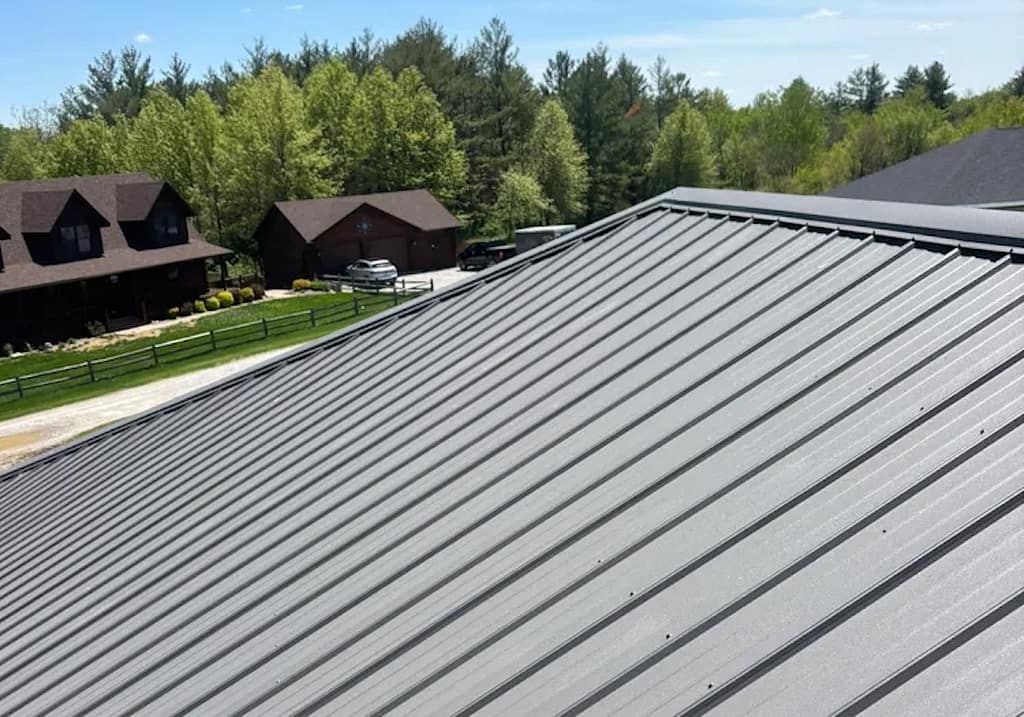
How to Choose the Right Metal Roof Repair Contractor
Metal roofing requires specific expertise, so the contractor you choose has a big impact on whether the repair holds. A few factors should guide your decision.
What Should You Look for in a Contractor?
Look for a licensed, insured contractor with specific metal roofing experience, strong local references, and a workmanship warranty in writing. Metal roof repair is different from shingle work, requiring knowledge of panel profiles, fasteners, sealants, and proper matching, so general roofing experience is not always enough. Ask whether they have worked on your type of metal system and can match your existing panels and finish. A contractor who knows metal will diagnose the real issue and fix it correctly the first time.
- Metal experience: Specific metal roofing expertise, not just shingles.
- Licensed and insured: Verify both before any work begins.
- Matching ability: Confirm they can match your panel profile and finish.
- Written warranty: Get the workmanship warranty terms in writing.
Why Does Professional Repair Matter for Metal Roofs?
Professional repair matters because a poorly done metal roof fix can create new leaks, mismatched panels, or accelerated corrosion. Using the wrong fasteners, incompatible metals, or improper sealant can cause galvanic corrosion or fresh leak points that undermine the whole system. An experienced contractor uses compatible materials and correct techniques so the repair lasts and blends in. Given how long a metal roof should last, protecting that investment with quality repair work is well worth it.
- Avoids new problems: Bad repairs cause leaks and corrosion.
- Right materials: Compatible metals and fasteners prevent damage.
- Lasting fix: Correct technique makes the repair hold.
- Protects investment: Quality work preserves a long-lasting roof.
Frequently Asked Questions
How much does metal roof repair cost?
Metal roof repairs vary widely by issue, with minor fixes like resealing or replacing fasteners running a few hundred dollars and larger repairs like panel replacement costing more. The total depends on the extent of the damage, accessibility, and materials. A professional inspection and written estimate give you an accurate figure.
Can you repair just one section of a metal roof?
Yes. One of the advantages of metal roofing is that individual panels, fasteners, trim, and flashing can often be repaired or replaced without redoing the whole roof. Matching the existing profile and finish is important, so an experienced contractor is key. This makes targeted repairs both practical and cost-effective.
How long should a metal roof last before needing replacement?
Metal roofs are known for long service lives, often lasting for decades with proper maintenance and occasional repairs. Routine upkeep like resealing and fastener checks helps a metal roof reach its full lifespan. When a roof nears the end of that range, replacement may become the better value.
Can a rusted metal roof be repaired?
Often, yes, if the rust is caught early and limited to surface areas. A contractor can clean, treat, and recoat affected spots to stop corrosion. However, if rust has perforated panels or spread widely, replacement of those panels or the roof may be necessary.
Is a leaking metal roof always a big problem?
Not necessarily. Many metal roof leaks come from failed sealant, worn gaskets, or flashing issues at penetrations, all of which are typically straightforward repairs. The key is finding the true source quickly before water damages the structure below. A professional inspection pinpoints the cause.
Should I repair or replace my metal roof after a storm?
It depends on the extent of the damage. Isolated dented panels, loose trim, or a few compromised fasteners are usually repairable, while widespread damage may call for replacement. A contractor can also help document storm damage for an insurance claim. An honest assessment guides the right call.

Why Heartland Is a Smart Choice for Metal Roof Repair
When your metal roof has a problem, you want a contractor who tells you honestly whether a targeted repair will do the job or whether replacement is the smarter investment. Heartland Roofing, Siding & Solar helps homeowners across Iowa City and surrounding areas diagnose metal roof issues accurately, match existing panels and finishes, and make repairs that last, all with honest, educational guidance instead of high-pressure upsells. With an A+ BBB rating and a commitment to quality craftsmanship, Heartland protects the long-term investment your metal roof represents. Reach out to Heartland today for a free inspection and expert guidance on your metal roof repair.

Get Started Today!
From roofing to siding, Heartland Roofing is the team you need to take your home exterior to the next level. All you need to do is reach out! Fill out our contact form or give us a call to get the reliable help that you need.


