

Metal Roof Panels: 4 Types, Profiles & How to Choose
July 06,2026
12 Minute Read
Metal roof panels have moved from the barn and the warehouse onto more and more homes, and for good reason: they last for decades, shrug off Iowa weather, and come in more styles than most homeowners expect. Choosing the right panel, though, means understanding the different types, the profiles available, and how each one fits your home and budget. This guide breaks it all down in plain terms so you can make a confident decision.
Here is what you will learn:
- The main types: A breakdown of the four most common metal roof panel systems and where each one fits best.
- Profiles and materials: How panel shapes and metal choices affect looks, durability, and price.
- How to choose: The practical factors that should drive your decision, from slope to budget to climate.
What Are Metal Roof Panels?
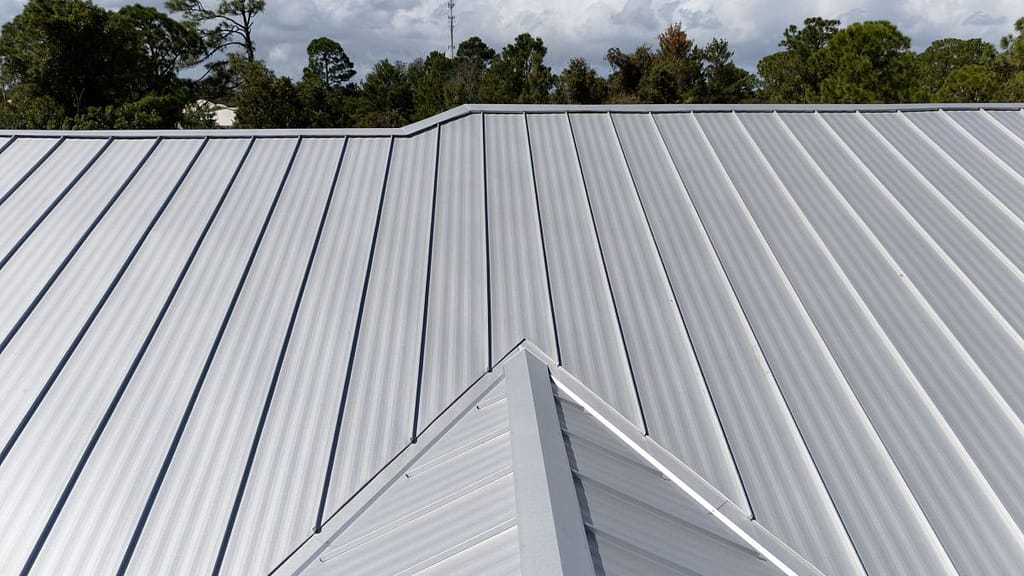
Metal roof panels are large sheets or sections of coated metal that interlock or fasten together to form a finished roof. They differ from asphalt shingles in how they shed water, how they are attached, and how long they last.
How Are Metal Panels Different From Traditional Shingles?
Metal roof panels are formed from steel, aluminum, or other metals and run in long vertical sections or interlocking pieces, rather than the small overlapping tabs of an asphalt shingle roof. Because the panels are larger and made of metal, they shed water faster, resist wind uplift better, and carry far longer lifespans than traditional shingles. A metal panel system also handles thermal movement differently, expanding and contracting with temperature swings, which is why the fastening method matters so much. For homeowners in Des Moines and surrounding areas weighing a long-term roof, metal panels offer a fundamentally different value proposition than a standard shingle tear-off.
- Coverage: Panels span large sections of roof, unlike the small overlapping tabs of asphalt shingles.
- Attachment: Systems use either concealed clips or exposed screws rather than nailed-down tabs.
- Water shedding: Long vertical panels move water off the roof quickly and resist leaks.
- Lifespan: Metal systems routinely outlast multiple generations of asphalt shingle roofs.
Why Are More Homeowners Choosing Metal?
Homeowners are increasingly drawn to metal because it combines longevity, low maintenance, and strong storm performance in a single package. A quality metal roof resists fire, rot, and insect damage, and it stands up well to the high winds, hail, and heavy snow common across the Midwest. Metal is also energy efficient, reflecting solar heat to help reduce cooling costs, and it is recyclable at the end of its life. While the upfront cost is higher than asphalt, the decades of service often make it a smarter long-term investment for homeowners planning to stay put.
- Durability: Metal resists fire, rot, insects, and damage from wind, hail, and snow.
- Energy efficiency: Reflective finishes lower heat gain and can reduce summer cooling costs.
- Sustainability: Most panels are made from recycled material and are recyclable again later.
- Long-term value: Higher upfront cost is offset by a lifespan two to three times that of asphalt.
4 Types of Metal Roof Panels
The four panel systems below cover the vast majority of residential and light commercial metal roofs. This section introduces each type, then breaks them down individually so you can see where each one fits.
1. Standing Seam Metal Panel
A standing seam panel is a vertical-rib system where the seams that join panels stand up above the flat surface and hide the fasteners underneath. This concealed-fastener design is the premium choice for residential metal roofing because there are no exposed screws to back out or leak over time, and the raised seams shed water and resist wind uplift exceptionally well. Standing seam panels also allow the metal to expand and contract freely, which protects the roof through Iowa’s wide temperature swings. They cost more than exposed-fastener systems, but they deliver the longest service life and the cleanest, most modern look.
- Fastening: Concealed clips hide the fasteners, eliminating exposed screws that can leak.
- Best for: Homeowners who want the longest lifespan and a sleek, contemporary appearance.
- Strengths: Excellent wind and water resistance, plus room for thermal movement.
- Trade-off: Higher upfront cost than exposed-fastener panels.
2. Exposed-Fastener (Corrugated) Panel
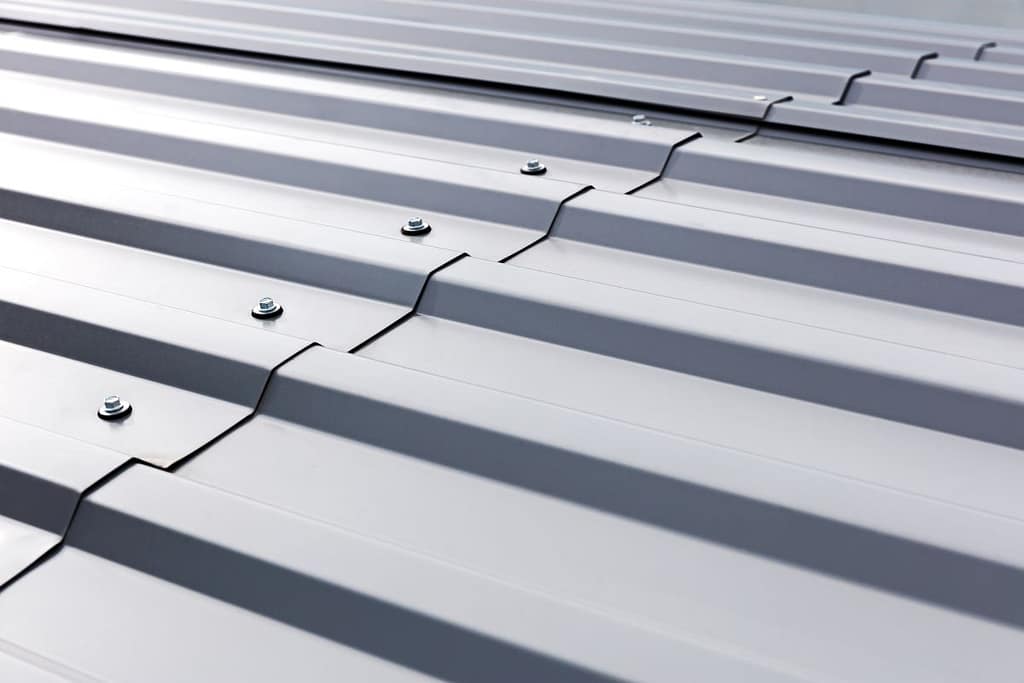
An exposed-fastener panel, often corrugated or ribbed, is screwed directly through the face of the metal into the roof deck, leaving the fastener heads visible on the surface. This is the most budget-friendly metal roofing option and the fastest to install, which makes it popular for outbuildings, agricultural structures, and cost-conscious homes. The trade-off is that the exposed screws and rubber washers can loosen or wear over time and may need periodic replacement to prevent leaks. With good installation and routine maintenance, exposed-fastener panels still deliver solid performance at a lower price point than standing seam.
- Fastening: Screws pass through the panel face, leaving fastener heads exposed.
- Best for: Budget-minded projects, outbuildings, and agricultural or light commercial use.
- Strengths: Lowest cost and fast installation.
- Trade-off: Fasteners and washers may need periodic replacement to avoid leaks.
3. Metal Shingles and Shakes
Metal shingles and shakes are smaller metal pieces stamped and finished to mimic the look of traditional asphalt shingles, wood shakes, or slate, while delivering the durability of metal. They appeal to homeowners who want the long life and storm resistance of metal but prefer a more conventional roof appearance that blends into an established neighborhood. Because they are installed in smaller sections with interlocking edges, metal shingles work well on complex rooflines with many angles and dormers. They typically cost more than exposed-fastener panels and sit in a similar range to or below standing seam, depending on the product.
- Appearance: Mimics asphalt shingles, wood shake, or slate with a metal core.
- Best for: Homeowners wanting metal durability with a traditional, neighborhood-friendly look.
- Strengths: Works well on complex rooflines with many angles and dormers.
- Trade-off: More labor-intensive to install than long vertical panels.
4. Stone-Coated Steel
Stone-coated steel panels combine a steel core with a bonded layer of stone granules, giving them the textured look of shingles or tile along with metal’s strength. The stone coating reduces the noise and bright reflectivity some homeowners associate with metal, while adding excellent resistance to hail, wind, and fire. These systems are popular where homeowners want the curb appeal of a tile or shake roof without the heavy weight, since stone-coated steel is far lighter than real tile. Pricing generally falls between exposed-fastener panels and premium standing seam, depending on the profile and finish.
- Construction: A steel base coated with bonded stone granules for texture and color.
- Best for: Homeowners wanting a tile or shake look with lighter weight and metal durability.
- Strengths: Quieter and less reflective than bare metal, with strong hail and fire resistance.
- Trade-off: Mid-to-upper price range and fewer installers than standard panels.
Understanding Metal Panel Profiles and Materials
Beyond the four panel types, the profile shape and the base metal both shape how your roof looks, performs, and ages. These two choices work together to determine the final result.
Which Panel Profiles Are Most Common?
A profile refers to the shape and rib pattern pressed into the panel, which affects both appearance and water-shedding performance. Standing seam profiles vary by seam height and width, with taller seams generally offering better water resistance on lower slopes. Exposed-fastener profiles like the classic corrugated wave or the angular R-panel and U-panel shapes are common on agricultural and budget residential roofs. Choosing a profile is partly aesthetic and partly practical, since some profiles are rated for lower roof slopes than others.
- Standing seam profiles: Vary by seam height and panel width, with taller seams suiting lower slopes.
- Corrugated profiles: The familiar rounded-wave look, common and economical.
- R-panel and U-panel: Angular exposed-fastener shapes used on homes and light commercial buildings.
- Slope rating: Some profiles are approved for lower slopes than others, so match the profile to your roof.
Which Metals and Coatings Should You Know About?
The base metal and its protective coating largely determine how long your panels will last and how well they resist corrosion. Coated steel, often finished with Galvalume, is the most common and cost-effective residential choice, balancing strength and corrosion resistance. Aluminum resists corrosion naturally and performs well in humid or coastal settings, while premium metals like copper and zinc can last a century but carry a much higher price. Quality paint systems such as Kynar 500 protect the finish against fading and UV damage, extending the life and appearance of the roof.
- Coated steel: The most common and cost-effective option, usually finished with Galvalume.
- Aluminum: Naturally corrosion-resistant and well suited to humid environments.
- Copper and zinc: Premium metals that can last 100 years or more at a higher cost.
- Paint systems: Finishes like Kynar 500 guard against fading and UV degradation.
How to Choose the Right Metal Roof Panel
With the types, profiles, and materials in mind, the final step is matching a system to your specific home, climate, and budget. A few practical factors should guide the decision more than looks alone.
What Factors Should Drive Your Decision?
Your choice should balance roof slope, budget, appearance, and how long you plan to stay in the home. Metal roofing is built to last: the Metal Roofing Alliance reports that a properly installed metal roof can last 40 to 70 years, two to three times the lifespan of a typical asphalt shingle roof. That longevity makes a premium system like standing seam easier to justify for a forever home, while an exposed-fastener panel may make more sense for an outbuilding or a shorter time horizon. Slope matters too, since low-slope roofs need profiles rated to shed water without leaking.
- Roof slope: Low-slope roofs require profiles and seam heights rated for water resistance.
- Budget: Exposed-fastener panels cost least; standing seam and premium metals cost more.
- Time in home: A longer stay makes a premium, long-life system easier to justify.
- Appearance: Match the panel type and profile to your home’s style and neighborhood.
Why Does Professional Installation Matter So Much?
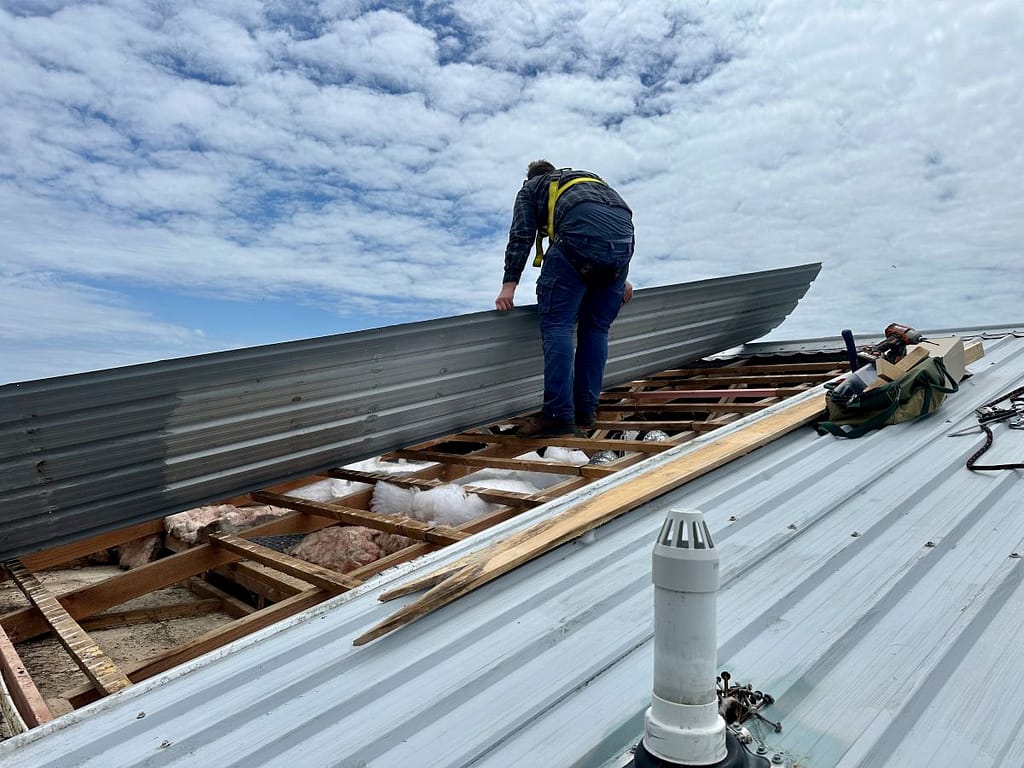
Even the best metal panel will underperform if it is installed incorrectly, since metal roofing relies on precise fastening, flashing, and allowance for thermal movement. Poor installation can lead to leaks, loosened fasteners, oil-canning, or voided manufacturer warranties, which erases the long-term value that makes metal worthwhile. A qualified contractor follows manufacturer specifications, uses the right underlayment and fasteners, and backs the work with a workmanship warranty. In Des Moines and surrounding areas, choosing an experienced, certified installer is the single best way to protect your investment.
- Precision: Metal requires exact fastening, flashing, and thermal-movement allowance.
- Warranty protection: Improper installation can void manufacturer coverage.
- Right materials: A pro uses correct underlayment, fasteners, and accessories for the system.
- Workmanship backing: A reputable installer stands behind the labor with its own warranty.
Frequently Asked Questions
How much do metal roof panels cost?
Metal roofing typically costs more upfront than asphalt, with installed prices commonly ranging from roughly $8 to $16 or more per square foot depending on the panel type, metal, and complexity. Exposed-fastener panels sit at the lower end, while standing seam and premium metals like copper run highest. Because metal lasts decades longer than asphalt, many homeowners find the lifetime cost competitive.
How long do metal roof panels last?
A properly installed metal roof generally lasts 40 to 70 years, and premium metals like copper or zinc can exceed 100 years. That is two to three times the lifespan of a typical asphalt shingle roof. Lifespan depends on the metal type, coating quality, installation, and local climate.
Are metal roofs noisy in rain or hail?
Not when installed correctly. Modern metal roofs are installed over solid decking with underlayment and insulation, which dampens sound so most homeowners notice little difference from other roofs. Stone-coated steel is especially quiet thanks to its textured granule surface.
Can a metal roof go over existing shingles?
In some cases, yes, metal panels can be installed over one layer of existing shingles, which can save on tear-off costs. However, local codes, roof condition, and manufacturer requirements all factor in. A qualified contractor should inspect the roof and confirm whether a recover is appropriate.
Which metal roof panel is best for a low-slope roof?
Standing seam panels with taller seams are generally the best choice for low-slope roofs because they shed water without relying on exposed fasteners. Some exposed-fastener profiles are not rated for low slopes and may leak. Always match the panel profile to your roof’s pitch.
Do metal roofs work with solar panels?
Yes. Metal roofs are an excellent base for solar because their long lifespan matches or exceeds that of the solar system, and standing seam panels allow clamp-on mounting without drilling holes. This avoids penetrations that could create leaks on other roof types.
Choosing the Right Metal Roof With Heartland
A metal roof is one of the longest-lasting investments you can make in your home, but it is only as good as the system you choose and the team that installs it. Heartland Roofing, Siding & Solar helps homeowners across Des Moines and surrounding areas weigh the options honestly, from budget-friendly exposed-fastener panels to premium standing seam, and explains the trade-offs in plain language so you can decide with confidence. As an Owens Corning Platinum Preferred contractor with a 10-year workmanship warranty on full replacements and an A+ BBB rating, Heartland backs every roof with the craftsmanship and accountability that make metal worth the investment. Reach out to Heartland today for a free estimate and expert guidance on choosing the right metal roof panels for your home.

Get Started Today!
From roofing to siding, Heartland Roofing is the team you need to take your home exterior to the next level. All you need to do is reach out! Fill out our contact form or give us a call to get the reliable help that you need.


