

Metal Roof Installation (Process, Timeline & What to Expect)
June 01,2026
7 Minute Read
Metal roof installation is a major home improvement project that offers long-term durability, energy efficiency, and weather protection. While metal roofs are known for their longevity, many homeowners are unsure what the installation process involves or how long the project will take. Understanding each phase of metal roof installation helps homeowners in North Liberty and surrounding areas prepare for a smooth and successful roofing project.
- Long-term investment: Metal roofs can last 40 to 70 years when properly installed.
- Structured process: Installation follows a series of carefully planned steps.
- Project preparation: Knowing what to expect reduces stress and surprises.

Why Proper Metal Roof Installation Matters
A metal roof is only as good as its installation. Even the highest-quality metal panels can experience problems if they are installed incorrectly. Proper installation ensures weather resistance, energy efficiency, and long-term performance.
Metal roofing systems must be measured, cut, fastened, and sealed with precision. Small mistakes can lead to leaks, panel movement, or reduced lifespan. For homeowners in North Liberty and surrounding areas, working with experienced professionals helps ensure the roof performs as intended for decades.
Long-Term Performance Benefits
A properly installed metal roof provides advantages that extend far beyond curb appeal. The system works together to protect the home from weather and environmental exposure.
- Weather protection: Resists wind, rain, hail, and snow.
- Energy efficiency: Reflective surfaces reduce heat absorption.
- Low maintenance: Requires fewer repairs than many roofing materials.
- Extended lifespan: Can last significantly longer than asphalt shingles.
What Happens Before Installation Begins?
Preparation is one of the most important parts of metal roof installation. Before any panels are installed, contractors evaluate the roof structure and create a detailed project plan.
Proper planning helps identify potential issues before they become costly delays. It also ensures materials are ordered correctly and installation proceeds efficiently.
Roof Inspection and Measurements
Every metal roof installation begins with a thorough inspection of the existing roof and structure. Contractors assess the condition of the decking, ventilation, and overall roof system.
- Structural evaluation: Confirms the roof can support the system.
- Deck inspection: Identifies damaged or weakened areas.
- Accurate measurements: Ensures proper panel sizing and fit.
- Project planning: Establishes material and labor requirements.
Material Selection
Homeowners can choose from a variety of metal roofing options depending on budget, style, and performance goals. Material selection affects both appearance and cost.
- Standing seam panels: Popular for durability and clean aesthetics.
- Metal shingles: Mimic traditional roofing materials.
- Steel roofing: Strong and cost-effective.
- Aluminum roofing: Lightweight and corrosion-resistant.
6 Steps Of Metal Roof Installation
Understanding each step of metal roof installation helps homeowners know what to expect throughout the project.
The exact process may vary depending on the roof design and material type, but most installations follow a similar sequence.
1. Remove Existing Roofing Materials
If necessary, contractors remove old roofing materials before beginning installation. This allows them to inspect the roof deck and ensure a solid foundation.
The removal process also helps identify hidden issues that may need repair before the new roof is installed.
- Old shingle removal: Creates a clean installation surface.
- Deck exposure: Allows for detailed inspection.
- Damage identification: Reveals rot or structural concerns.
- Preparation phase: Ensures proper system performance.
2. Repair and Prepare the Roof Deck
A strong roof deck is essential for successful metal roof installation. Any damaged sections are repaired or replaced before work continues.
- Deck repairs: Replace compromised materials.
- Surface preparation: Creates a smooth foundation.
- Structural reinforcement: Improves long-term stability.
- Moisture protection: Addresses potential problem areas.
3. Install Underlayment
Underlayment serves as a secondary barrier against moisture and weather infiltration. It is installed before the metal panels are placed.
- Water resistance: Adds protection against leaks.
- Ice protection: Helps prevent winter-related moisture issues.
- Roof system support: Improves overall performance.
- Weather barrier: Protects vulnerable areas.
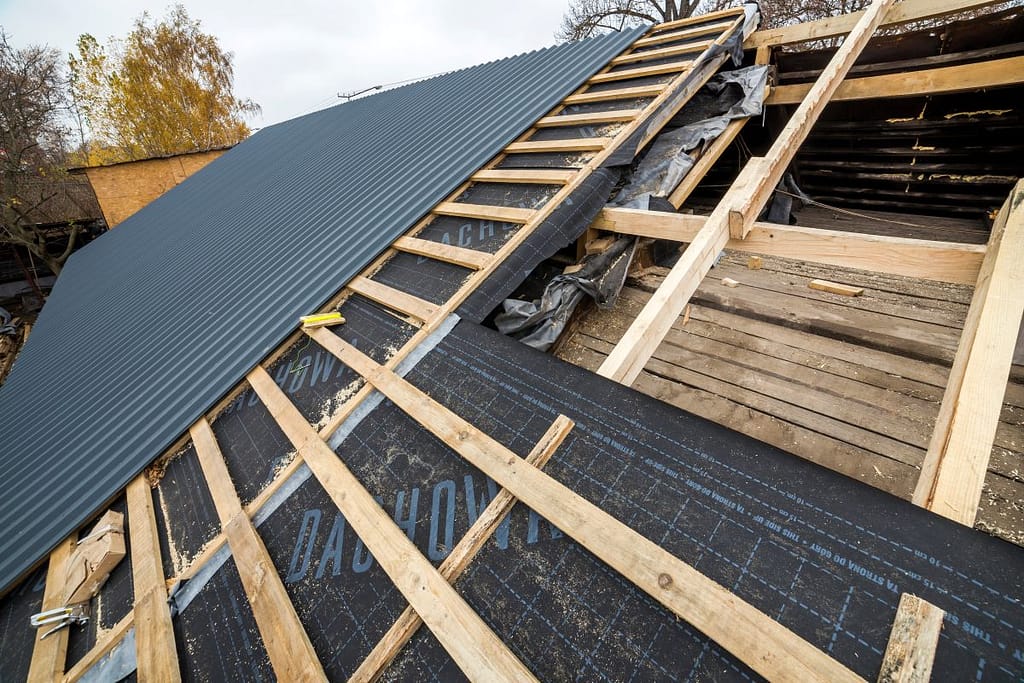
4. Install Flashing and Trim
Flashing and trim components are critical parts of metal roof installation. These materials protect roof transitions and penetrations from water intrusion.
- Valley flashing: Protects areas where roof sections meet.
- Edge trim: Creates clean roof edges.
- Vent flashing: Seals around penetrations.
- Water management: Directs moisture away from vulnerable points.
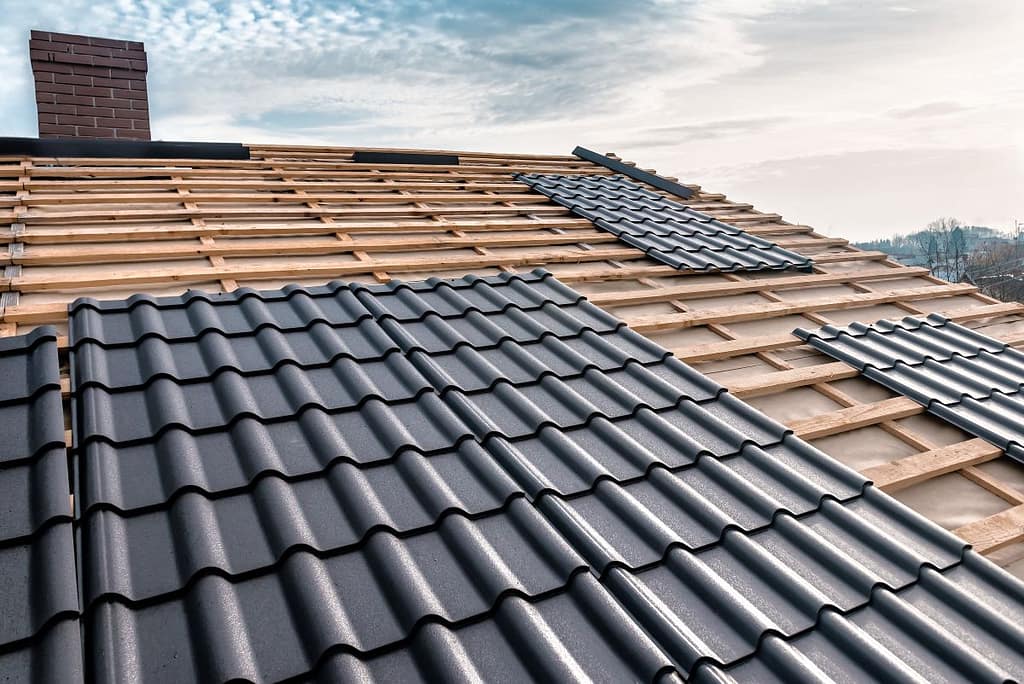
5. Install Metal Panels
This is the most visible phase of the project. Metal panels are carefully aligned and fastened according to manufacturer specifications.
Proper panel placement ensures weather resistance and long-term durability.
- Panel alignment: Creates a consistent appearance.
- Secure fastening: Prevents movement and uplift.
- Seam integrity: Maintains waterproof performance.
- Precision installation: Supports warranty requirements.
6. Final Inspection and Cleanup
Once installation is complete, contractors perform a final inspection to verify quality and ensure every component is functioning properly.
- Quality review: Confirms proper installation.
- Fastener inspection: Checks for secure attachment.
- Debris removal: Cleans the property thoroughly.
- Final walkthrough: Reviews completed work with homeowners.
How Long Does Metal Roof Installation Take?
The timeline for metal roof installation varies depending on roof size, complexity, weather, and material type. Most residential projects are completed within a few days.
Typical Project Timeline
While every project is unique, homeowners can generally expect the following schedule.
- Small homes: 2 to 4 days.
- Average homes: 3 to 7 days.
- Large or complex roofs: 1 to 2 weeks.
- Weather delays: Can extend timelines when conditions are unfavorable.
Factors That Affect Installation Time
Several variables influence how quickly a project can be completed.
- Roof complexity: Multiple valleys and dormers require additional labor.
- Weather conditions: Rain and high winds may delay work.
- Material availability: Custom orders may increase lead times.
- Structural repairs: Additional repairs can add days to the project.
What Homeowners Should Do Before Installation
Preparing your property before metal roof installation helps the project proceed more efficiently and safely.
A few simple steps can minimize disruptions and protect your belongings during construction.
Preparing Your Home
Taking proactive measures before installation day helps create a smoother experience.
- Move vehicles: Keep driveways clear for crews and materials.
- Protect outdoor furniture: Move items away from work areas.
- Notify neighbors: Let them know construction will be taking place.
- Secure valuables: Vibrations may affect wall decorations inside the home.
Planning for Construction Noise
Roof replacement projects generate noise throughout the day. Homeowners should plan accordingly.
- Remote work considerations: Noise may affect home offices.
- Pet arrangements: Some pets react to construction sounds.
- Scheduling flexibility: Plan activities around installation days.
- Safety awareness: Limit access to work areas.
Common Mistakes to Avoid During a Metal Roofing Project
Homeowners can improve project outcomes by avoiding a few common mistakes.
- Choosing based on price alone: Installation quality matters as much as material quality.
- Ignoring ventilation: Proper airflow supports roof performance.
- Delaying necessary repairs: Structural issues should be addressed before installation.
- Overlooking warranties: Understand manufacturer and workmanship coverage.
What to Expect After Installation
Once metal roof installation is complete, homeowners can enjoy a durable and low-maintenance roofing system. However, regular inspections and basic maintenance still help maximize lifespan.
- Annual inspections: Identify minor issues before they worsen.
- Debris removal: Keep valleys and gutters clear.
- Fastener checks: Ensure components remain secure.
- Routine maintenance: Supports long-term performance.
A Metal Roof Built for Decades of Protection
Metal roof installation is a detailed process that requires planning, precision, and quality workmanship. Understanding the process, timeline, and expectations helps homeowners make informed decisions and prepare for a successful project.
At Heartland, we help homeowners in North Liberty and surrounding areas navigate every stage of the roofing process with clear communication and expert craftsmanship. If you are considering a metal roof for your home, reach out today for a free estimate and learn how a professionally installed metal roofing system can provide decades of protection and value.

Get Started Today!
From roofing to siding, Heartland Roofing is the team you need to take your home exterior to the next level. All you need to do is reach out! Fill out our contact form or give us a call to get the reliable help that you need.


