

Leaking Roof Repair: 7 Causes, Urgency & What Pros Check
July 20,2026
13 Minute Read
Leaking roof repair is one of those home problems that feels minor until it is not, because the small stain on your ceiling is often the only visible sign of water that has already traveled far from where it got in. A roof leak rarely fixes itself, and the longer it goes unaddressed, the more it can damage your insulation, framing, and indoor air quality. This guide covers the most common causes of roof leaks, why they demand fast action, what professionals check during an inspection, and how to choose the right contractor.
Here is what you will learn:
- The causes: The seven most common reasons roofs leak and how to recognize each.
- The urgency: Why even a small leak should be addressed quickly.
- What pros check: The specific things a professional inspects to find and fix the source.
Why Roof Leaks Are More Urgent Than They Look
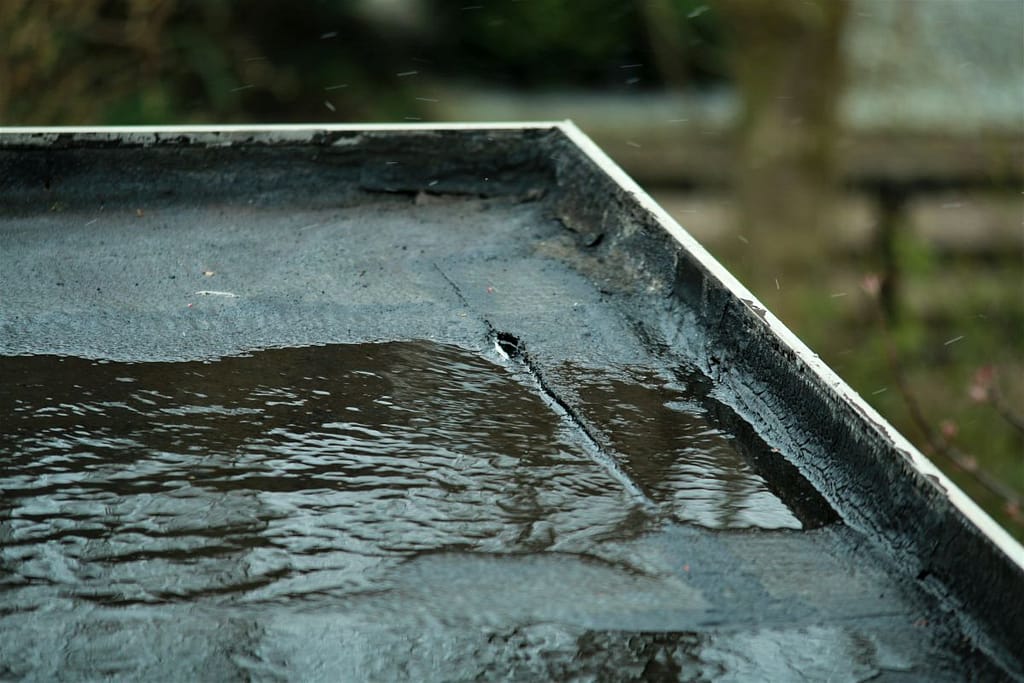
A roof leak is rarely just a roof problem, because water that gets inside can spread to framing, insulation, and drywall long before you see a stain. Understanding the urgency helps you act before a small repair becomes a major one.
How Fast Can a Roof Leak Cause Damage?
Water damage from a roof leak can begin within a day or two, which is why prompt action matters so much. The U.S. Environmental Protection Agency notes that drying wet or damp materials within 24 to 48 hours is the key window, since in most cases mold will not take hold if everything is dried out within that timeframe. That short timeline means a leak you notice today can become a mold and structural concern by the weekend. For homeowners across Altoona and surrounding areas, where storms and snowmelt are routine, treating a leak as urgent protects both your home and your health.
- Quick onset: Water damage and mold risk can begin within 24 to 48 hours.
- Hidden spread: Water travels through framing and insulation before you see it.
- Health concern: Lingering moisture can lead to mold and poor air quality.
- Act fast: Treating leaks promptly keeps a small repair from growing.
What Happens If You Ignore a Roof Leak?
Ignoring a roof leak allows water to compromise your home’s structure, insulation, and finishes, turning an inexpensive fix into a costly one. Water rots wood framing and decking, ruins insulation’s ability to do its job, stains and crumbles drywall, and can damage electrical wiring it reaches. Over time, a small, slow leak can cause thousands of dollars in hidden damage before the problem becomes obvious. The cost of prompt repair is almost always far less than the cost of waiting.
- Structural rot: Water decays framing and roof decking over time.
- Ruined insulation: Wet insulation loses its thermal value.
- Interior damage: Drywall, paint, and ceilings stain and deteriorate.
- Rising cost: A small fix delayed can become a major, expensive repair.
7 Common Causes of a Leaking Roof
The causes below are the most frequent reasons roofs spring leaks. This section introduces them, then breaks each one down so you can understand where water is most likely getting in.
1. Damaged or Missing Shingles
Cracked, curled, or missing shingles are one of the most common causes of roof leaks because they leave the underlayment and decking exposed to water. Wind, hail, and age can all loosen or tear shingles away, and once a gap forms, rain has a direct path inside. Even a single missing shingle in the wrong spot can let water reach the layers below. Because shingle damage is often visible from the ground, it is one of the easier causes to catch early.
- Common culprit: Missing or broken shingles expose the layers beneath.
- Causes: Wind, hail, and age all loosen or tear shingles.
- Direct path: Even one gap can let water reach the decking.
- Easier to spot: Shingle damage is often visible from the ground.
2. Failed or Damaged Flashing
Flashing is the metal that seals the joints and transitions on your roof, and when it cracks, rusts, or pulls loose, those vulnerable spots become leak points. Flashing protects areas around chimneys, skylights, vents, and where the roof meets walls, which are exactly the places water loves to find a way in. Over time, the sealant behind flashing dries out and the metal can corrode or shift, opening gaps. Flashing failure is a leading cause of leaks precisely because it guards the roof’s weakest transitions.
- What it seals: Joints around chimneys, skylights, vents, and walls.
- How it fails: Cracking, rusting, or pulling loose over time.
- Vulnerable spots: Transitions are where water most often enters.
- Leading cause: Flashing guards the roof’s weakest points.
3. Clogged or Failing Gutters
When gutters clog or fail, water backs up and pools at the roof’s edge instead of draining away, eventually working its way under the shingles. Overflowing gutters let water seep into the fascia, soffit, and roof edge, causing rot and interior leaks over time. In winter, clogged gutters also contribute to ice dams that force water back up under the roofing. Keeping gutters clear and functional is a simple but important part of preventing roof leaks.
- The backup: Clogged gutters let water pool at the roof’s edge.
- Where it goes: Water seeps into fascia, soffit, and roof edge.
- Winter risk: Clogs contribute to ice dams that push water upward.
- Simple prevention: Clean, working gutters protect the roof edge.
4. Cracked or Worn Sealant Around Penetrations
Every pipe, vent, and fixture that pokes through your roof relies on a sealed boot or collar, and when that sealant cracks or the rubber boot deteriorates, water leaks in around it. Plumbing vent boots, in particular, have rubber gaskets that dry out and split with sun and age, creating a small but persistent leak path. Because these penetrations are common and the seals wear out faster than the roof itself, they are a frequent source of leaks. A professional will always inspect these points closely.
- The weak seal: Boots and collars around pipes and vents wear out.
- Common offender: Rubber vent boots dry, crack, and split with age.
- Persistent leaks: Small gaps here drip steadily over time.
- Inspection target: Pros check every roof penetration carefully.
5. Ice Dams
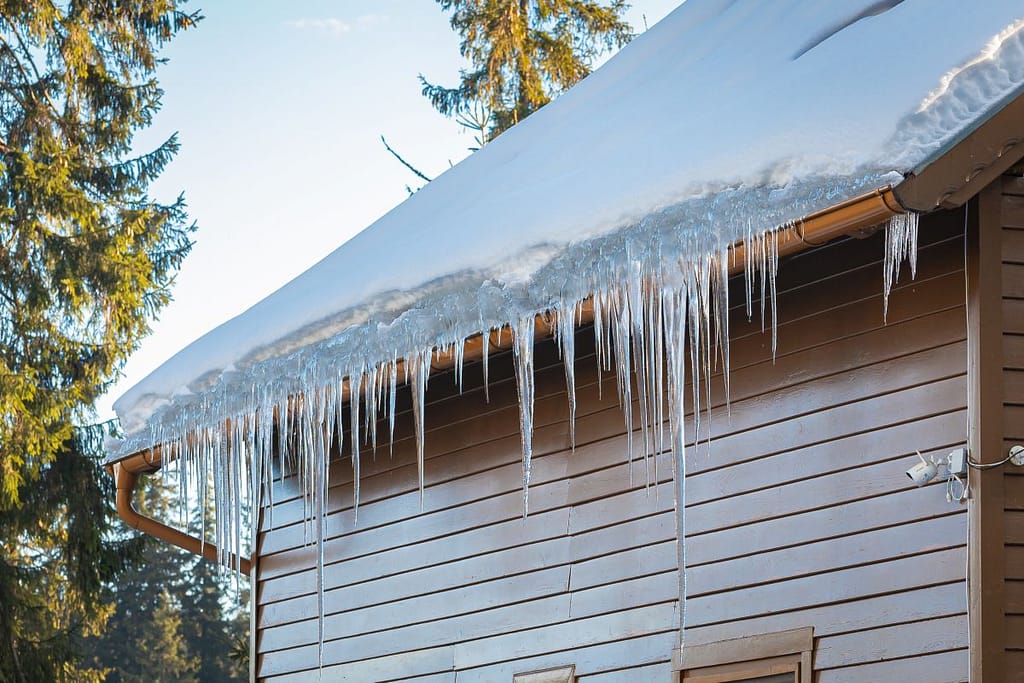
In Iowa winters, ice dams form when heat escaping into the attic melts snow on the roof, which then refreezes at the colder eaves and traps water behind it. That trapped water has nowhere to go and backs up under the shingles, leaking into the home. Ice dams are a seasonal but serious cause of leaks, often tied to insufficient attic insulation and ventilation. Addressing the underlying insulation and ventilation is key to preventing them year after year.
- How they form: Melting snow refreezes at the eaves and traps water.
- The leak: Backed-up water works under the shingles.
- Root cause: Often poor attic insulation and ventilation.
- Seasonal risk: A common winter leak source in Iowa.
6. Worn or Aging Roof
Every roof has a lifespan, and as it nears the end, the materials simply wear out, becoming brittle and losing their ability to keep water out. Asphalt shingles lose their protective granules, dry out, and crack, while the underlayment beneath degrades over decades of sun and weather. An aging roof often develops multiple small leaks at once rather than a single obvious one. When a roof is simply old, repairs may be a short-term fix and replacement the smarter long-term investment.
- Natural wear: Materials become brittle and fail as the roof ages.
- Shingle breakdown: Granule loss, drying, and cracking let water in.
- Multiple leaks: Old roofs often leak in several places at once.
- Repair vs. replace: Age may make replacement the better value.
7. Improper Installation or Prior Repairs
Poor workmanship is an underrated cause of roof leaks, because shortcuts in the original installation or a sloppy past repair can leave water paths that surface years later. Improperly driven nails, incorrect flashing details, mismatched materials, and inadequate sealing all create weak points that eventually leak. These problems are often hidden until water finds them, which is why an experienced inspector knows where to look. Choosing a quality contractor is the best defense against installation-related leaks.
- Hidden flaws: Shortcuts in installation surface as leaks later.
- Common errors: Bad nailing, flashing, and sealing details.
- Hard to spot: Workmanship problems often hide until water appears.
- Best defense: A quality contractor prevents these from the start.
What Professionals Check During a Leak Inspection
A professional roof inspection is about tracing water to its true source, not just patching the spot where it shows up inside. Knowing what pros check helps you understand the value of a thorough inspection.
What Does a Pro Look for on the Roof?
A professional inspects the shingles, flashing, penetrations, gutters, and valleys on the roof surface, then traces the water’s path to find where it actually entered. Because water can travel along framing before dripping through a ceiling, the entry point is often far from the visible stain, which is why experience matters. The inspector checks every transition and penetration, looks for damaged or missing materials, and evaluates the overall condition of the roof. This systematic approach finds the real source rather than treating the symptom.
- Surface check: Shingles, flashing, penetrations, gutters, and valleys.
- Tracing the path: Water often enters far from where it shows inside.
- Transitions and penetrations: The most common entry points get close attention.
- Real source: The goal is fixing the cause, not just the visible spot.
What Do Pros Check Inside and in the Attic?
Inside, a professional examines the attic for water stains, damp insulation, daylight showing through the decking, and signs of mold or rot. The attic often reveals the true entry point and the extent of hidden damage that is invisible from inside the living space. Inspectors also check insulation and ventilation, since poor airflow contributes to both ice dams and condensation problems. This interior view completes the picture and ensures the repair addresses everything the water has affected.
- Attic stains: Water marks and damp insulation reveal the path.
- Daylight check: Light through the decking points to gaps.
- Mold and rot: Inspectors look for hidden damage and growth.
- Ventilation: Poor airflow can cause ice dams and condensation.
How to Choose the Right Roof Repair Contractor
The contractor you choose determines whether your leak is truly fixed or just temporarily covered. A few factors should guide your decision.
What Should You Look for in a Contractor?
Before hiring, confirm the contractor is licensed and insured, has strong local experience, and stands behind repairs with a workmanship warranty in writing. Roof leaks require diagnostic skill, so look for a contractor who inspects thoroughly and explains where the water is coming from rather than just slapping on sealant. Ask for references and a clear, written estimate that spells out the scope of the repair. A contractor who takes the time to find the real source is one who will fix it for good.
- Licensed and insured: Verify both before any work begins.
- Diagnostic skill: Look for thorough inspection, not quick patches.
- Written warranty: Get the workmanship warranty terms in writing.
- Clear estimate: The scope and price should be spelled out.
Why Does Local Experience Matter for Leaks?
A local contractor understands the specific leak risks of Iowa’s climate, from summer storms and hail to winter ice dams and snowmelt. That regional knowledge helps them anticipate where leaks tend to start and recommend fixes that hold up through the seasons. An established local company is also accountable, since they will still be around if a problem returns. Choosing a contractor rooted in the community means someone who knows the conditions and stands behind their work.
- Climate knowledge: Understands Iowa storms, hail, and ice dams.
- Anticipates problems: Knows where local leaks tend to start.
- Accountability: A local company is there if issues return.
- Lasting fixes: Repairs are tailored to regional conditions.
Frequently Asked Questions
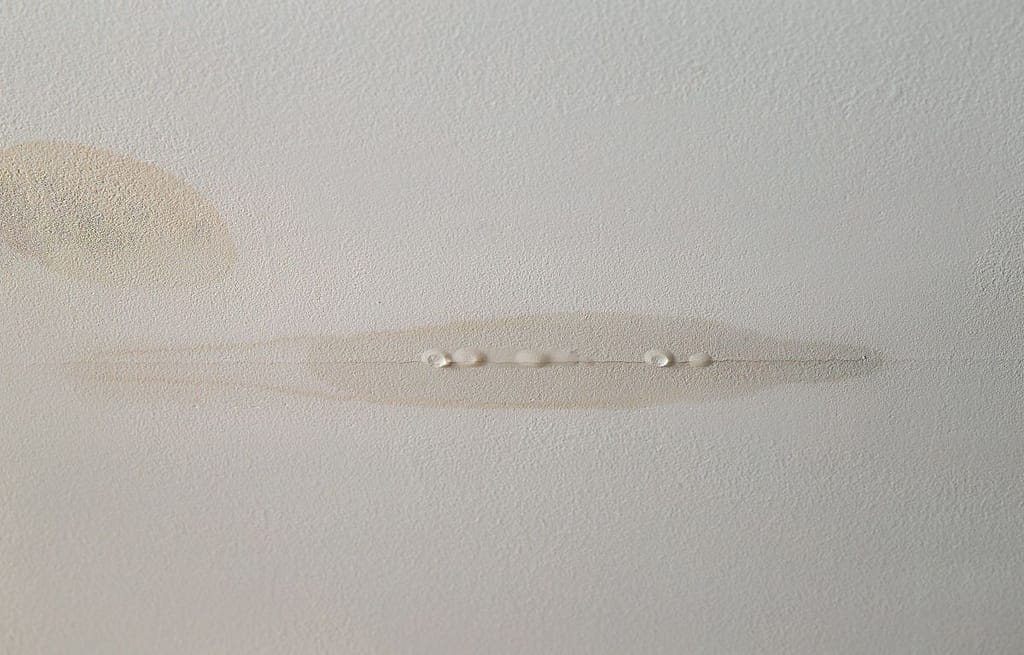
How much does leaking roof repair cost?
Roof leak repairs vary widely depending on the cause and extent, with minor fixes running a few hundred dollars and larger repairs reaching into the thousands. The only way to get an accurate number is a professional inspection that identifies the true source. Catching a leak early almost always keeps the cost lower.
Is a small roof leak really an emergency?
It is more urgent than most people think. Even a small leak can cause hidden water damage and mold within a day or two, so it should be inspected promptly. Acting quickly is far cheaper than dealing with structural or mold damage later.
Can I repair a roof leak myself?
Temporary measures like a tarp can limit damage in the short term, but finding and properly fixing the source is a job for a professional. Roof work is dangerous, and the visible drip is often far from the actual entry point. A pro traces the water to its source and repairs it correctly.
How do I find where my roof is leaking?
It can be difficult, because water often travels along framing before appearing as a stain. Professionals trace the path from the interior signs back to the entry point on the roof, checking penetrations, flashing, and transitions. This is why a thorough inspection is worth far more than guessing.
Will insurance cover my roof leak repair?
It depends on the cause. Sudden damage from a covered event like a storm is often covered, while leaks from age or lack of maintenance generally are not. A qualified contractor can document storm-related damage to support a claim.
Should I repair or replace a leaking roof?
If the roof is relatively new and the leak is isolated, a repair usually makes sense. If the roof is old or leaking in multiple places, replacement may be the smarter long-term investment. A trustworthy contractor will assess the situation and tell you honestly which option fits.
Why Heartland Is a Smart Choice for Leaking Roof Repair
When water is getting into your home, you want a roofing partner who finds the real source, fixes it right, and tells you honestly whether you need a repair or a replacement. Heartland Roofing, Siding & Solar helps homeowners across Altoona and surrounding areas with thorough leak inspections, clear explanations of what is happening, and lasting repairs, backed by an A+ BBB rating and a commitment to honest, educational guidance instead of high-pressure sales. As a rooted local company that understands Iowa’s storms, hail, and winter ice dams, Heartland is here to protect your home and stand behind the work. Reach out to Heartland today for a free inspection and expert guidance on your leaking roof repair.

Get Started Today!
From roofing to siding, Heartland Roofing is the team you need to take your home exterior to the next level. All you need to do is reach out! Fill out our contact form or give us a call to get the reliable help that you need.


