
Hardie Board Siding: 6 Benefits, Cost & How Long It Lasts
October 14,2026
11 Minute Read
Hardie board siding has become one of the most sought-after siding choices for homeowners who want the look of wood with far more durability and far less maintenance. Made by James Hardie, this fiber cement siding stands up to fire, moisture, pests, and the kind of weather extremes Iowa throws at a home, all while holding its color and finish for decades. If you are weighing a siding upgrade, understanding the benefits, the cost, and how long it lasts helps you decide whether Hardie board is the right investment. This guide covers all three.
Here is what you will learn:
- The benefits: The top six reasons homeowners choose Hardie board siding.
- The cost: What Hardie board siding typically runs and what drives the price.
- How long it lasts: The lifespan you can expect and why it holds up.

What Is Hardie Board Siding?
Hardie board is a specific brand of fiber cement siding, and understanding what it is made of explains why it performs so well. It is engineered for durability and looks.
A Fiber Cement Siding Built to Last
Hardie board siding is fiber cement siding made by James Hardie from a blend of cement, sand, and cellulose fibers, engineered to resist the elements. This composition gives it the dense, solid feel of masonry while being formed to look like wood lap siding, shingles, or vertical panels. The result is a siding that resists the fire, rot, warping, and pest damage that affect wood and the cracking and fading that affect lesser materials. That engineered durability is the foundation of every benefit Hardie board offers.
- Fiber cement: Made of cement, sand, and cellulose fibers.
- Looks like wood: Formed as lap, shingle, or panel styles.
- Resists damage: Stands up to fire, rot, and pests.
- Engineered to last: Durability is built into the material.
Why It Suits the Iowa Climate
Hardie board is especially well suited to Iowa’s climate because it stands up to the temperature swings, moisture, and storms that wear down other siding. It will not warp or crack in freeze-thaw cycles the way some materials do, resists moisture and the rot it causes, and holds up to wind and hail. James Hardie even engineers products for specific climate zones. For a Midwest home that sees hot summers and frigid winters, that climate resilience is a real advantage.
- Handles swings: Resists freeze-thaw cracking and warping.
- Moisture-resistant: Stands up to rain and snow.
- Storm-tough: Holds up to wind and hail.
- Climate-matched: Engineered for regional conditions.
6 Benefits of Hardie Board Siding
The benefits below are the main reasons homeowners invest in Hardie board siding. This section introduces them, then breaks each one down so you can see what you gain.
1. Exceptional Durability
The standout benefit of Hardie board siding is its durability, standing up to the elements far better than wood or vinyl. It resists the warping, cracking, rotting, and pest damage that plague other siding materials, and it holds up to the freeze-thaw cycles, moisture, and storms common in Iowa. This toughness means fewer repairs and a siding that keeps protecting your home for decades. Durability is the foundation of Hardie board’s long-term value.
- Weather-tough: Resists warping, cracking, and rot.
- Pest-resistant: Not vulnerable to insects.
- Handles Iowa: Stands up to freeze-thaw and storms.
- Fewer repairs: Durability means less upkeep.
2. Fire Resistance
Hardie board siding is noncombustible, giving it a level of fire resistance that wood and vinyl simply cannot match. Because fiber cement does not ignite or fuel a fire, it can earn the highest fire-resistance rating and adds a meaningful layer of protection to your home. In some cases, fire-resistant siding may even help with insurance considerations. For homeowners who value safety, the fire resistance of Hardie board is a significant benefit.
- Noncombustible: Fiber cement does not ignite.
- Top rating: Can earn the highest fire-resistance rating.
- Added protection: A real safety benefit for the home.
- Possible perks: May factor into insurance considerations.
3. Low Maintenance
Hardie board siding requires far less maintenance than wood, which needs regular scraping, sealing, and repainting to stay protected. It resists moisture, pests, and fading, and with James Hardie’s factory-applied color finishes, it holds its color for many years without repainting. Occasional cleaning is typically all that is needed to keep it looking great. That low-maintenance nature saves both time and money over the life of the siding.
- No frequent repainting: Factory finishes last for years.
- Resists fading: Color holds up to sun exposure.
- Simple upkeep: Occasional cleaning is usually enough.
- Saves money: Less maintenance over the siding’s life.
4. Attractive, Versatile Appearance
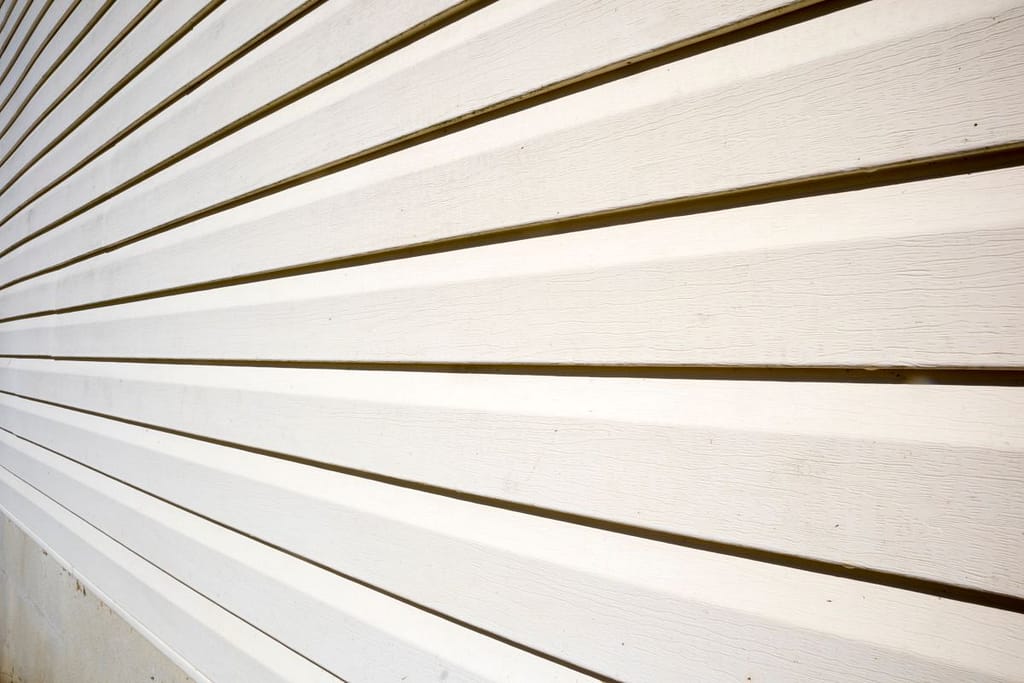
Hardie board siding delivers the warm, authentic look of wood in a wide range of styles, colors, and textures without wood’s drawbacks. It is available as lap siding, shingles, vertical panels, and trim, in many factory-applied colors, letting you achieve nearly any architectural style. The finish is crisp and holds up over time, keeping your home looking sharp for years. That combination of beauty and durability is a big part of Hardie board’s appeal.
- Wood look: Authentic appearance without the drawbacks.
- Many styles: Lap, shingle, vertical, and trim options.
- Color range: Numerous factory-applied finishes.
- Lasting looks: The finish stays crisp over time.
5. Strong Return on Investment
Hardie board siding offers one of the best returns on investment of any exterior upgrade, boosting both curb appeal and resale value. According to the Remodeling Cost vs. Value Report, fiber cement siding replacement recoups roughly 88 percent of its cost at resale, ranking among the top exterior projects for return. Buyers recognize the quality and durability of Hardie board, making it a selling point. That strong resale value helps offset the upfront cost over time.
- Top ROI: Recoups about 88 percent at resale.
- Boosts appeal: Buyers value quality siding.
- A selling point: Durability reassures buyers.
- Offsets cost: Strong resale value over time.
6. Backed by a Strong Warranty
Hardie board siding comes with one of the strongest warranties in the siding industry, reflecting James Hardie’s confidence in the product. The siding carries a long limited warranty against defects, and the factory-applied color finish carries its own warranty against fading and peeling. That manufacturer backing gives homeowners real peace of mind for the long haul. A strong warranty is a sign of a product built to last.
- Long warranty: Strong coverage against defects.
- Finish warranty: Color is covered against fading.
- Peace of mind: Manufacturer backing for the long term.
- Built to last: The warranty reflects real confidence.
How Much Does Hardie Board Siding Cost?
Cost is a major consideration, and Hardie board sits above vinyl but offers strong long-term value. Here are realistic 2026 ranges.
What Hardie Board Siding Typically Costs
Hardie board siding typically costs more than vinyl upfront, reflecting its premium material and more involved installation. According to HomeGuide, fiber cement siding runs about $6 to $15 per square foot installed, and James Hardie specifically generally falls in the range of $8 to $14 per square foot, putting a typical home between roughly $13,000 and $28,000. The exact price depends on your home’s size, the product line, finish choices, and installation complexity. An itemized estimate shows exactly what drives your cost.
- Premium pricing: More than vinyl, reflecting quality.
- Per square foot: Roughly $8 to $14 installed for Hardie.
- Typical home: Often $13,000 to $28,000 total.
- Get an estimate: Your home’s specifics set the price.
Why the Investment Pays Off
While Hardie board costs more upfront than vinyl, it often proves the better value over time thanks to its durability, low maintenance, and strong resale return. It lasts far longer than vinyl, needs less upkeep, and recoups a high percentage of its cost at resale. The result is a lower cost of ownership over the decades you own your home. Viewing Hardie board as a long-term investment puts the higher upfront price in perspective.
- Lasts longer: Outlives vinyl by decades.
- Lower upkeep: Less maintenance saves money.
- Strong resale: Recoups much of its cost.
- Long-term value: Lower cost of ownership over time.

How Long Does Hardie Board Siding Last?
Longevity is one of Hardie board’s biggest selling points, and it is what makes the higher upfront cost easier to justify. It is built to last for decades.
Hardie Board Can Last 30 to 50 Years
Hardie board siding commonly lasts 30 to 50 years or more with proper installation and minimal maintenance, far outlasting vinyl. Its fiber cement composition resists the moisture, pests, fire, and weather that shorten the life of other materials, so it keeps protecting and beautifying your home for decades. Many homeowners install Hardie board once and never need to replace it. That long lifespan is central to its value proposition.
- Decades of service: Commonly 30 to 50 years or more.
- Outlasts vinyl: Far longer than most alternatives.
- Resists wear: Stands up to moisture, pests, and fire.
- Install once: Often the last siding you will need.
What Helps It Reach Its Full Lifespan
Hardie board reaches the top of its lifespan range when it is properly installed and given basic care. Correct installation by an experienced contractor ensures the siding and its moisture management perform as designed, while occasional cleaning and prompt attention to any issues keep it in top shape. Proper installation also protects the manufacturer’s warranty. Choosing a skilled, certified installer is the best way to get the full decades of service Hardie board can deliver.
- Proper installation: Correct work ensures full performance.
- Basic care: Occasional cleaning keeps it looking great.
- Protects warranty: Good installation preserves coverage.
- Certified installer: Skilled work maximizes lifespan.
Frequently Asked Questions
How much does Hardie board siding cost?
Hardie board siding generally costs about $8 to $14 per square foot installed, putting a typical home between roughly $13,000 and $28,000, depending on size, product line, and finish. It costs more than vinyl upfront but offers greater durability and a strong resale return. A professional estimate gives an accurate figure for your home.
How long does Hardie board siding last?
Hardie board siding commonly lasts 30 to 50 years or more with proper installation and minimal maintenance, far outlasting vinyl siding. Its fiber cement composition resists moisture, pests, fire, and weather. For many homeowners, it is the last siding their home will ever need.
Is Hardie board siding worth the cost?
For many homeowners, yes. While it costs more upfront than vinyl, Hardie board’s durability, low maintenance, fire resistance, and strong resale value often make it the better long-term investment. Whether it is worth it depends on your budget and how long you plan to stay in your home.
Does Hardie board siding need to be painted?
Hardie board is available with James Hardie’s factory-applied color finishes that resist fading and last for many years without repainting. You can also choose primed board to paint your own color. The factory finishes significantly reduce the repainting that wood siding requires.
Is Hardie board better than vinyl siding?
Hardie board outperforms vinyl on durability, fire resistance, lifespan, and resale value, while vinyl is more affordable upfront and easier to install. The right choice depends on your budget, how long you plan to stay, and your priorities. Many homeowners find Hardie board’s long-term value worth the higher cost.
Can Hardie board siding be installed on any home?
Yes, Hardie board can be installed on virtually any home, though its weight and installation requirements make professional installation important. An experienced contractor ensures it is installed correctly with proper moisture management. A professional can assess your home and recommend the right Hardie products for your style and climate.
Why Heartland Is a Smart Choice for Your Hardie Board Siding
Hardie board siding is a premium, long-term investment, and proper installation by a certified professional is what ensures it delivers on its decades-long promise. Heartland Roofing, Siding & Solar is a James Hardie certified contractor that helps homeowners across Des Moines and surrounding areas choose the right Hardie products for their home and climate, and installs them with the skill that protects both performance and warranty. With an A+ BBB rating and a commitment to honest, educational guidance rather than high-pressure sales, Heartland makes sure your siding looks great and lasts as long as the material allows. Reach out to Heartland today for a free estimate and expert guidance on your Hardie board siding.

Get Started Today!
From roofing to siding, Heartland Roofing is the team you need to take your home exterior to the next level. All you need to do is reach out! Fill out our contact form or give us a call to get the reliable help that you need.


