

6 Best Practices for Fiberglass Attic Insulation Installation
December 09,2025
8 Minute Read
Installingfiberglass attic insulation is one of the most effective ways to improve your home’s energy efficiency, comfort, and long-term value. Fiberglass is affordable, easy to install, and proven to reduce energy loss through your attic space. For homeowners in Pleasant Hill and surrounding areas, proper insulation can make a significant difference in comfort during both hot summers and freezing winters.
- Energy efficiency: Reduces heat transfer and keeps indoor temperatures stable.
- Cost savings: Lowers heating and cooling bills by reducing HVAC strain.
- Home comfort: Prevents drafts and helps maintain balanced temperatures throughout your home.
Why Proper Attic Insulation Matters
Attic insulation serves as a critical thermal barrier between your living space and the outdoors. Without proper insulation, up to 25% of your home’s heat can escape through the roof. Fiberglass insulation, made of tiny glass fibers, traps air within its structure, slowing the movement of heat and keeping your home more efficient.
In Pleasant Hill and surrounding areas, where seasonal temperatures fluctuate dramatically, insulation is essential to maintaining comfort and controlling energy costs. A properly insulated attic helps prevent ice dams in winter and reduces excessive heat buildup in summer, extending the life of your roof and HVAC system.
Understanding Fiberglass Insulation
Before diving into best practices, it helps to understand what fiberglass insulation is and how it works. This material comes in various forms, including batts, rolls, and loose-fill. Each serves a slightly different purpose depending on your attic’s layout and accessibility.
Fiberglass insulation works by trapping air within its fibers, creating resistance to heat flow—measured as R-value. The higher the R-value, the greater the insulation’s ability to resist heat transfer. For most homes in Iowa, including Pleasant Hill and surrounding areas, the recommended attic insulation level ranges from R-38 to R-60.
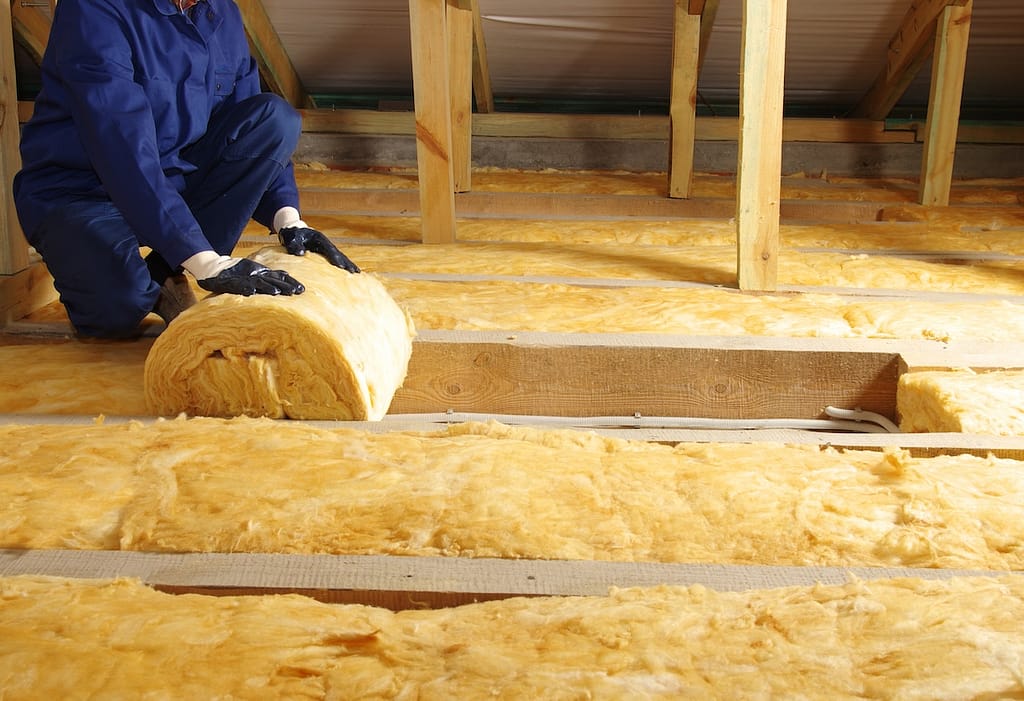
6 Best Practices for Fiberglass Attic Insulation Installation
Installing insulation may look straightforward, but following proven best practices ensures better performance, safety, and durability.
- Seal Air Leaks Before Insulating
Air leaks can drastically reduce insulation effectiveness. Before installation, seal cracks, gaps, and penetrations around light fixtures, plumbing vents, and attic hatches. Use caulk or spray foam for smaller gaps and weatherstripping for larger openings. Eliminating air leaks ensures your fiberglass insulation performs at full capacity. - Choose the Right R-Value for Your Climate
The insulation’s R-value should match your region’s climate and building codes. For Pleasant Hill and surrounding areas, an R-value between 38 and 60 is ideal for attics. Thicker insulation layers provide greater thermal protection and energy efficiency. Always check local requirements or consult a professional before purchasing materials. - Install Insulation Without Compression
Fiberglass insulation relies on air pockets to resist heat flow. Compressing it reduces those air pockets and lowers the R-value. Carefully cut batts to fit snugly between joists without forcing them in. If using loose-fill, ensure even coverage to maintain consistent depth throughout the attic space. - Maintain Proper Ventilation
Ventilation is just as important as insulation. A well-ventilated attic allows moisture to escape, preventing condensation and mold growth. Use soffit and ridge vents to create continuous airflow. This helps regulate temperature and humidity, extending both insulation and roof life. - Install a Vapor Barrier When Needed
In climates where indoor humidity is high, a vapor barrier helps prevent moisture from migrating into the insulation. A properly installed vapor barrier reduces the risk of mold, mildew, and rot. For most Iowa homes, the vapor barrier should face the heated interior space. - Avoid Blocking Soffit Vents
While insulating, be cautious not to block air intake vents along the eaves. Use baffles or vent chutes to keep airflow open. Blocking vents can trap moisture and heat, reducing insulation effectiveness and causing long-term roof issues.
Preparation Tips for a Successful Installation
Good preparation is the foundation for any effective insulation project. Taking time to prepare your attic ensures a smoother and safer installation process.
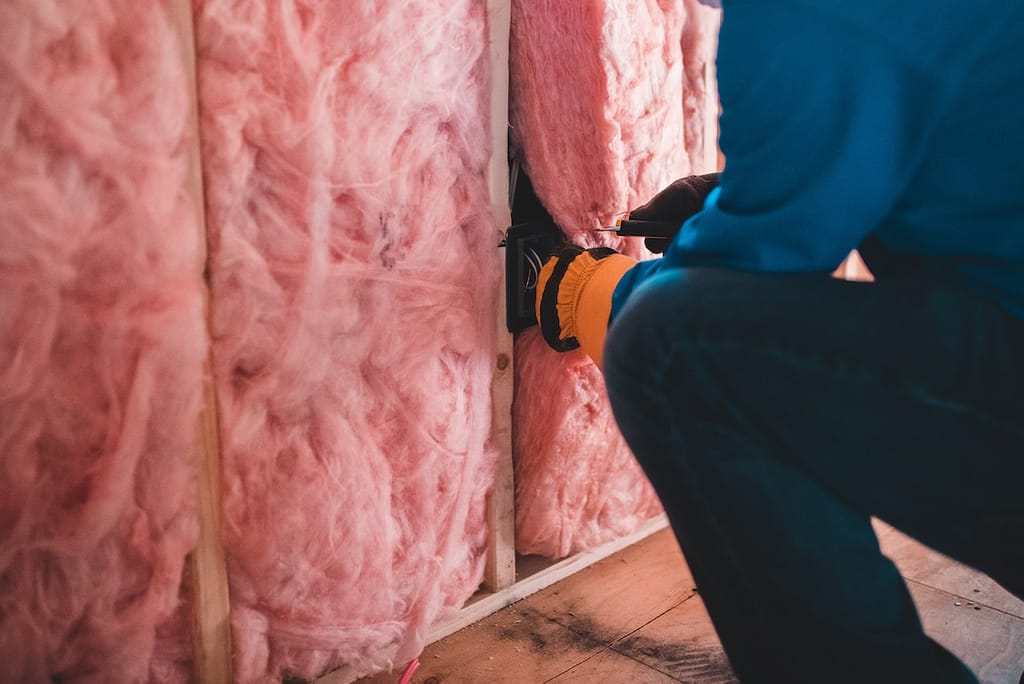
Clear the Work Area
Remove stored items, debris, or old insulation before starting. Working in a clean space makes installation faster and reduces the risk of contamination. It also allows you to inspect the attic floor and rafters for any damage or leaks that need repair.
Inspect for Damage
Check for signs of water damage, pest infestations, or loose wiring. Addressing these issues beforehand prevents future complications. If you notice roof leaks or sagging materials, schedule a roof inspection before proceeding with insulation installation.
Safety Guidelines for Working With Fiberglass
Fiberglass insulation is safe when handled properly, but it can irritate skin, eyes, and lungs if precautions aren’t taken. Following these safety measures ensures a smooth and comfortable installation process.
- Wear protective clothing: Long sleeves, gloves, and pants help prevent skin irritation.
- Use eye and respiratory protection: Safety goggles and a dust mask prevent fiberglass particles from causing discomfort.
- Ensure ventilation: Open attic vents or windows to maintain airflow while working.
- Clean up carefully: Use a vacuum instead of sweeping to collect debris and minimize airborne fibers.
Safety is especially important in enclosed spaces like attics, where air circulation can be limited. Taking precautions helps you stay comfortable and focused throughout the project.
Common Mistakes to Avoid
Even small installation errors can reduce the effectiveness of fiberglass attic insulation. Avoiding these mistakes ensures you get the most out of your investment.
- Overstuffing or Compressing Insulation: Pushing too much insulation into small spaces limits airflow and decreases R-value. Always measure and cut materials to fit precisely rather than forcing them into place.
- Leaving Gaps or Voids: Gaps between batts or loose-fill areas reduce coverage and create cold spots. Ensure insulation covers the entire attic floor evenly, especially near edges and corners.
- Skipping Air Sealing: If air leaks are not sealed before installation, warm air from your home can still escape into the attic. This makes insulation less effective and can lead to condensation problems over time.
- Ignoring Attic Access Points: Insulate and weatherstrip the attic hatch or door. Uninsulated access points are a common source of heat loss and can undermine the entire system’s performance.
Signs Your Attic Needs New or Additional Insulation
Over time, fiberglass insulation can settle or become damaged, reducing its effectiveness. Watch for these warning signs that it’s time to upgrade or replace your attic insulation.
- Uneven indoor temperatures: Rooms that are too hot or cold indicate poor insulation coverage.
- High energy bills: Rising utility costs may signal heat loss through the attic.
- Drafts or cold ceilings: These are signs of insufficient insulation or air leaks.
- Visible deterioration: If insulation looks discolored, compacted, or damp, it’s no longer providing proper protection.
If you are looking to boost your home’s energy performance beyond traditional insulation, consider adding a radiant barrier to your attic space. Our guide on attic foil explains how this reflective solution helps lower cooling costs and keeps your home more comfortable year-round.
Homeowners in Pleasant Hill and surrounding areas who notice these symptoms should schedule a professional inspection to assess insulation levels and condition.
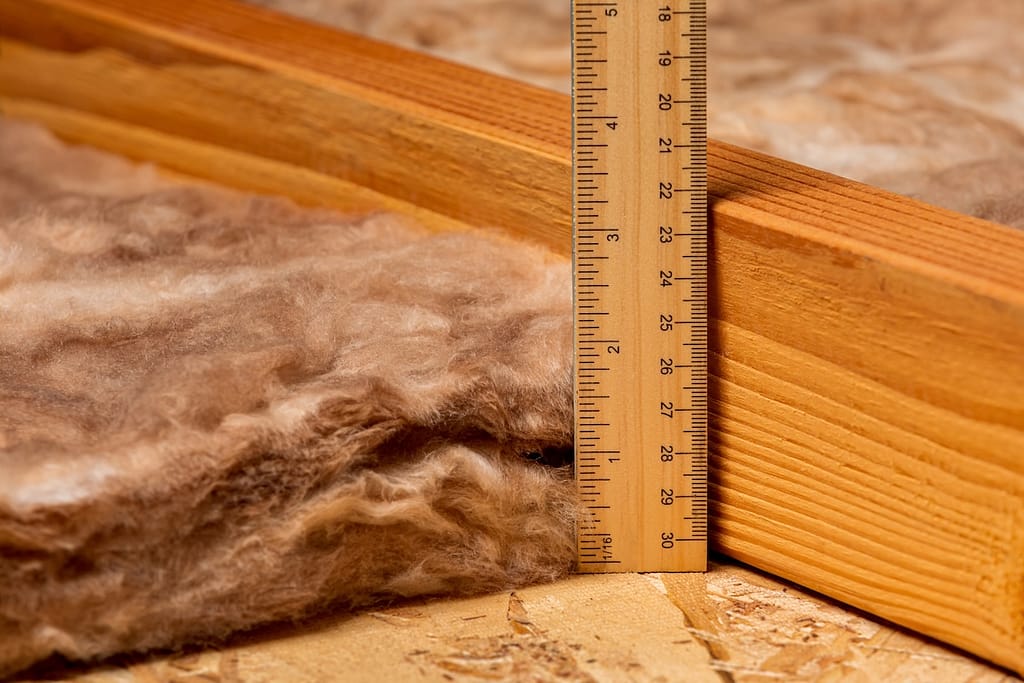
Why Professional Installation Matters
While many homeowners choose to install fiberglass attic insulation themselves, hiring professionals ensures precision, safety, and code compliance. Professional installers evaluate your attic’s layout, ventilation, and insulation depth to design the most efficient system for your home.
They also use specialized equipment to apply insulation evenly and safely, reducing the risk of gaps or compression. Working with an experienced contractor in Pleasant Hill and surrounding areas gives you peace of mind that your home is properly insulated for Iowa’s climate.
Maintaining Your Insulated Attic
Once installed, fiberglass insulation requires minimal maintenance but should be inspected occasionally for damage or moisture issues.
- Inspect annually: Look for sagging or damp spots that may indicate roof leaks.
- Keep vents clear: Ensure airflow remains unobstructed to prevent mold and moisture buildup.
- Check after major weather events: Heavy storms or roof repairs can disturb insulation layers.
Keeping your insulation clean, dry, and undisturbed ensures it continues to perform efficiently for years to come.
Keep Your Home Efficient With Heartland
Installing fiberglass attic insulation is one of the smartest investments homeowners can make for energy savings and comfort. When installed correctly, it improves indoor air quality, reduces energy bills, and keeps your home comfortable year-round.
Heartland proudly serves homeowners in Pleasant Hill and surrounding areas with expert insulation and roofing services designed to withstand Iowa’s climate. Our team ensures every project meets the highest standards of performance and precision.
Contact Heartland today for your free estimate and discover how fiberglass attic insulation can make your home more energy-efficient and comfortable for decades to come.

Get Started Today!
From roofing to siding, Heartland Roofing is the team you need to take your home exterior to the next level. All you need to do is reach out! Fill out our contact form or give us a call to get the reliable help that you need.


