

Energy Efficient Windows: What to Look for When Replacing
July 10,2026
12 Minute Read
Energy efficient windows can quietly cut your heating and cooling costs while making your home more comfortable in every season, but only if you know what to look for before you buy. Replacement windows are a significant investment, and the difference between an average window and a well-chosen efficient one shows up on your energy bill for decades. This guide breaks down the features that matter most, what the labels mean, and how to choose the right windows for your home.
Here is what you will learn:
- The key features: The seven things that actually make a window energy efficient.
- The labels: How to read ENERGY STAR and NFRC ratings so you can compare windows fairly.
- How to choose: The practical factors that should drive your decision, from climate to installation.
Why Window Efficiency Matters So Much
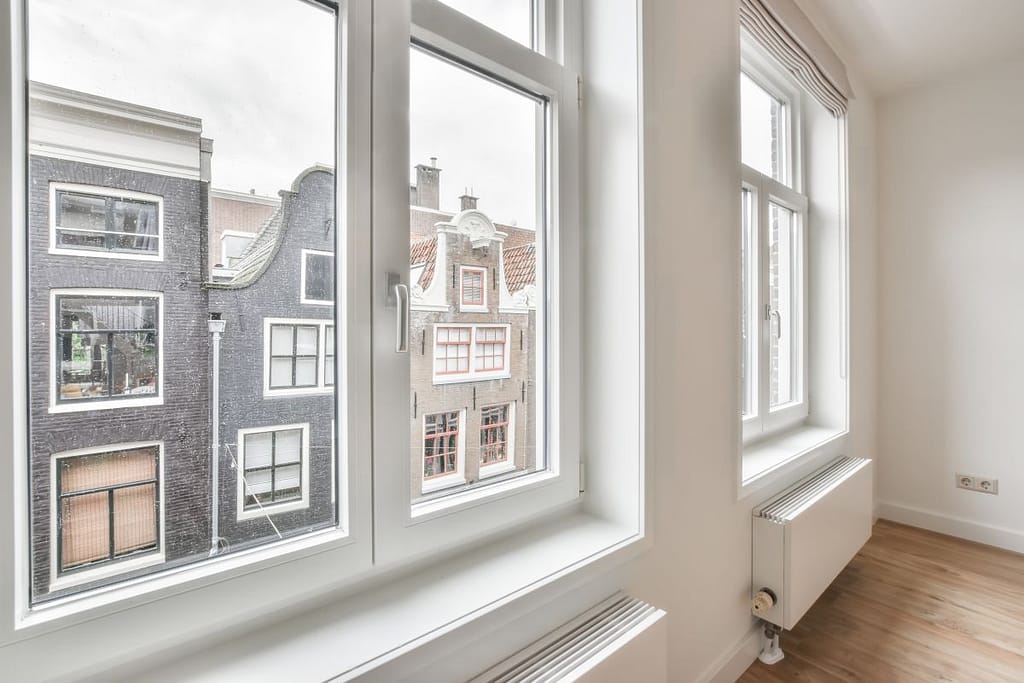
Windows are one of the biggest sources of wasted energy in a typical home, which is why upgrading them pays off in both comfort and cost. Understanding the impact helps you see why the right features are worth the investment.
How Much Energy Do Windows Really Affect?
Windows have an outsized effect on your home’s energy use because heat moves through glass far more easily than through insulated walls. According to the U.S. Department of Energy, heat gain and heat loss through windows are responsible for 25 to 30 percent of residential heating and cooling energy use. That means up to nearly a third of what you spend heating and cooling your home can be slipping out through inefficient windows. For homeowners across West Des Moines and surrounding areas, where summers are hot and winters are cold, that lost energy adds up fast on year-round utility bills.
- Big share of usage: Windows drive 25 to 30 percent of heating and cooling energy use.
- Heat moves easily: Glass transfers heat far more readily than insulated walls.
- Year-round impact: Inefficient windows cost you in both summer and winter.
- Local climate: Iowa’s temperature extremes make window performance especially valuable.
What Makes a Window “Energy Efficient”?
An energy efficient window is one engineered to slow the flow of heat into and out of your home, using a combination of multiple panes, special coatings, insulating gas, and a quality frame. No single feature does the job alone; it is the way these elements work together that determines real-world performance. The right combination also depends on your climate, since a window tuned for a cold northern winter is configured differently than one built to block southern heat. Understanding the individual features is the key to comparing windows and choosing wisely.
- Layered design: Efficiency comes from panes, coatings, gas fill, and frame working together.
- No single fix: One feature alone does not make a window efficient.
- Climate-specific: The ideal configuration depends on your region.
- Compare smart: Knowing the features lets you compare products fairly.
7 Features to Look for in Energy Efficient Windows
The seven features below are what separate a truly efficient window from an ordinary one. This section introduces them, then breaks each down so you know exactly what to ask about when comparing replacement windows.
1. Multiple Panes of Glass
The number of glass panes is the foundation of a window’s insulating ability, and for energy efficiency you want at least two, with three offering the best performance in harsh climates. Single-pane windows are major energy wasters because a single layer of glass provides almost no insulation against heat or cold. Double-pane windows trap an insulating layer between two sheets of glass, dramatically reducing heat transfer, while triple-pane adds another layer for cold-climate homes. For Iowa winters, double-pane is the practical baseline and triple-pane is worth considering for maximum comfort and efficiency.
- Single-pane: Provides almost no insulation and wastes significant energy.
- Double-pane: The practical baseline, trapping an insulating layer of air or gas.
- Triple-pane: Adds a third layer for top performance in cold climates.
- Iowa fit: Double-pane minimum, with triple-pane worth considering here.
2. Low-E Glass Coatings
Low-emissivity, or low-E, coatings are microscopically thin layers on the glass that reflect heat while still letting light through, acting like sunscreen for your home. In winter they reflect indoor heat back inside, and in summer they reflect the sun’s heat away, which is why they are one of the most valuable efficiency features available. These coatings also reduce the ultraviolet light that fades furniture, flooring, and fabrics over time. Because the right low-E coating depends on your climate, it is worth confirming the window is tuned for cold winters and hot summers like Iowa’s.
- How it works: A thin coating reflects heat while letting visible light through.
- Year-round benefit: Keeps heat in during winter and out during summer.
- Bonus protection: Reduces fading of furniture, floors, and fabrics from UV.
- Climate-tuned: The ideal coating depends on your region’s weather.
3. Insulating Gas Fill
Many efficient windows are filled with an inert, insulating gas, usually argon or krypton, sealed between the panes to slow heat transfer better than ordinary air. These gases are denser than air, so they conduct heat more slowly, boosting the window’s insulating value without adding bulk. Argon is the most common and cost-effective choice, while krypton performs slightly better in very narrow gaps, such as in triple-pane units. When comparing windows, ask whether the unit is gas-filled, since it is a meaningful upgrade over a standard air-filled space.
- The purpose: Dense gas between panes slows heat transfer better than air.
- Argon: The most common, cost-effective gas fill.
- Krypton: Performs better in narrow gaps like triple-pane windows.
- Ask about it: Gas fill is a meaningful step up from plain air.
4. An Insulating Frame Material
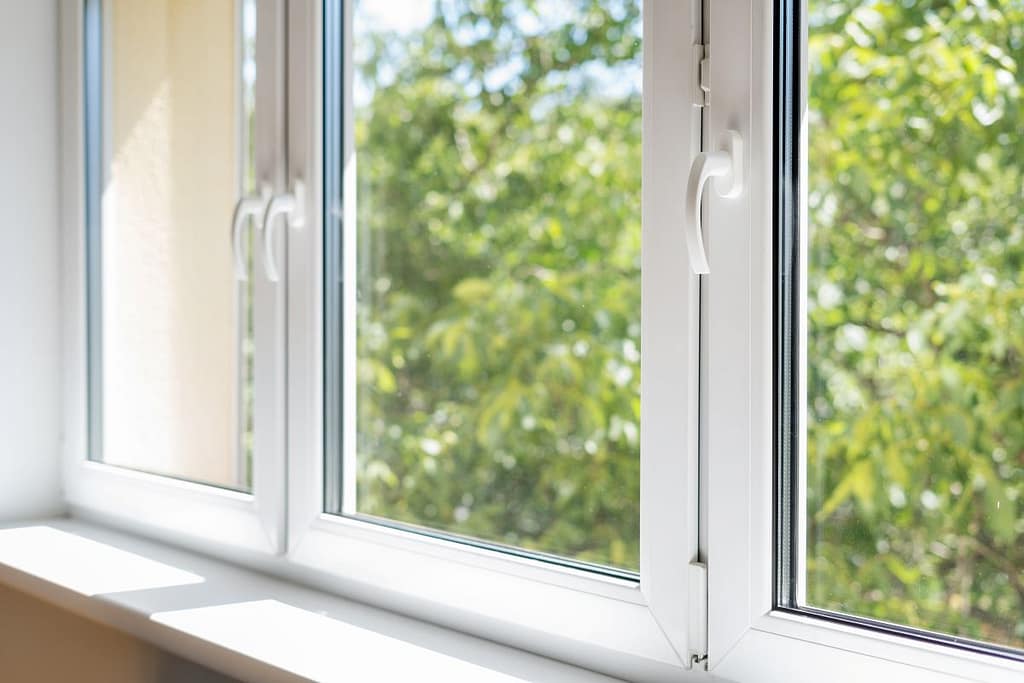
The frame material has a major effect on a window’s overall efficiency, since a poorly insulating frame can undermine even the best glass. Vinyl, fiberglass, and wood all insulate well and resist the heat transfer that makes aluminum frames a weak point in cold climates. Vinyl is popular for its low maintenance and good value, fiberglass offers excellent strength and stability, and wood provides classic looks with strong insulation. Choosing an insulating frame material ensures the whole window, not just the glass, performs efficiently through Iowa’s temperature swings.
- Vinyl: Low maintenance and good value, with solid insulation.
- Fiberglass: Strong, stable, and highly insulating.
- Wood: Classic appearance with excellent natural insulation.
- Avoid bare aluminum: It conducts heat and underperforms in cold climates.
5. A Low U-Factor
The U-factor measures how well a window keeps heat from escaping, and a lower number means better insulation, which matters most in cold climates like Iowa’s. U-factor is typically expressed between about 0.20 and 1.20, and ENERGY STAR recommends windows of 0.22 or lower for the northern climate zone to keep heat inside during winter. Because heating costs dominate Iowa winters, prioritizing a low U-factor is one of the most important choices you can make. Look for this number on the NFRC label so you can compare windows directly.
- What it measures: How well the window prevents heat from escaping.
- Lower is better: A lower U-factor means stronger insulation.
- Iowa target: ENERGY STAR recommends 0.22 or lower for northern climates.
- Where to find it: Listed clearly on the NFRC label.
6. The Right Solar Heat Gain Coefficient
The solar heat gain coefficient, or SHGC, measures how much of the sun’s heat a window lets in, with lower numbers blocking more heat and higher numbers admitting more. In a mixed climate like Iowa’s, the right SHGC balances summer heat rejection against the welcome warmth the sun provides in winter. Homeowners often choose a moderate SHGC, or select different values for sun-facing versus shaded sides of the house, to optimize comfort year-round. Like the U-factor, the SHGC appears on the NFRC label so you can compare options at a glance.
- What it measures: How much solar heat the window lets into your home.
- Lower vs. higher: Lower blocks summer heat; higher admits winter warmth.
- Iowa balance: A moderate SHGC often works best in a mixed climate.
- On the label: Found on the NFRC rating for easy comparison.
7. The ENERGY STAR Label
The ENERGY STAR label is the single easiest way to confirm a window meets independently verified efficiency standards for your climate zone. ENERGY STAR certified windows are tested and rated by the National Fenestration Rating Council, so the label is a trustworthy shortcut that bundles many of the features above into one verified standard. Replacing old single-pane windows with ENERGY STAR certified windows can lower household energy bills by an average of up to 13 percent nationwide. Choosing windows certified for the northern climate zone ensures they are tuned for Iowa’s cold winters.
- Verified standard: ENERGY STAR certification is independently tested and rated.
- Trustworthy shortcut: It bundles key efficiency features into one label.
- Real savings: Up to about 13 percent off energy bills versus single-pane windows.
- Match your zone: Choose windows certified for the northern climate zone.
How to Read Window Labels and Choose Wisely
Once you know the features, the labels on each window let you compare products fairly and confidently. Two labels do most of the work.
What Do the ENERGY STAR and NFRC Labels Tell You?
The ENERGY STAR label confirms a window meets efficiency criteria for your climate zone, while the NFRC label gives you the specific performance numbers behind it. The NFRC label lists the U-factor, solar heat gain coefficient, visible transmittance, and sometimes air leakage, letting you compare two windows objectively rather than relying on a salesperson’s claims. Looking for both labels together is the most reliable way to know what you are actually buying. Keep these labels after installation as documentation for warranties and any rebates or tax credits.
- ENERGY STAR: Confirms the window meets criteria for your climate zone.
- NFRC label: Lists U-factor, SHGC, and other measured performance numbers.
- Objective comparison: The numbers let you compare windows fairly.
- Keep them: Save the labels for warranty and rebate or tax-credit purposes.
Why Does Professional Installation Matter So Much?
Even the most efficient window will underperform if it is installed poorly, since gaps and improper sealing let air and water leak around the frame. Window replacement is generally not a do-it-yourself project, because incorrect installation can cause drafts, water intrusion, mold, and even void the manufacturer’s warranty. A qualified installer ensures the window is properly fitted, sealed, and flashed so it delivers the efficiency you paid for. In West Des Moines and surrounding areas, choosing an experienced local installer protects both your investment and your warranty.
- Sealing matters: Gaps around a poorly installed window waste energy.
- Not a DIY job: Bad installation causes drafts, leaks, and mold.
- Warranty protection: Improper installation can void manufacturer coverage.
- Local expertise: An experienced installer ensures you get the efficiency you paid for.
Frequently Asked Questions
How much do energy efficient windows cost?
Replacement window costs vary widely by material, size, and type, commonly ranging from a few hundred to over a thousand dollars per window installed. ENERGY STAR certified windows may cost a bit more than non-certified ones, but the labor is comparable and the energy savings add up over time. Always get quotes from several installers and ask them to break out labor and materials.
Are energy efficient windows worth it?
For most homeowners, yes, especially when replacing old single-pane windows. Beyond lower energy bills, efficient windows improve comfort, reduce drafts, cut outside noise, and protect interiors from UV fading. The payback comes through years of reduced heating and cooling costs plus added home value.
What is the most important window rating for Iowa?
In a cold-winter climate like Iowa’s, the U-factor is the most important rating, and you want it as low as possible for better insulation. ENERGY STAR recommends 0.22 or lower for the northern climate zone. The solar heat gain coefficient also matters for balancing summer heat, so look at both on the NFRC label.
Should I get double-pane or triple-pane windows?
Double-pane windows are the practical standard for most Iowa homes and offer a strong balance of cost and performance. Triple-pane windows cost more but provide the best insulation and noise reduction, which can be worth it for maximum comfort or in especially exposed locations. A good installer can help you weigh the trade-offs for your home.
Are there rebates or tax credits for energy efficient windows?
Often, yes. Federal energy-efficiency tax credits and many utility rebate programs have offered incentives for installing qualifying ENERGY STAR windows. Programs and amounts change over time, so check current federal guidance and ask your local utility what is available before you buy.
How long do replacement windows last?
Quality replacement windows typically last 20 to 30 years or more, depending on the frame material, installation, and maintenance. Vinyl and fiberglass frames are known for long, low-maintenance service lives. Proper professional installation is key to reaching the upper end of that range.
Why Heartland Is a Smart Choice for Your Window Replacement
Choosing energy efficient windows is one of the best investments you can make in your home’s comfort and long-term costs, but the windows are only as good as the team that installs them. Heartland Roofing, Siding & Solar helps homeowners across West Des Moines and surrounding areas choose the right windows for Iowa’s climate and installs them with the care that protects both your efficiency and your warranty. With trusted manufacturer partners, an A+ BBB rating, and a commitment to honest, educational guidance instead of high-pressure sales, Heartland makes the process clear from first estimate to final installation. Reach out to Heartland today for a free estimate and expert guidance on choosing the right energy efficient windows for your home.

Get Started Today!
From roofing to siding, Heartland Roofing is the team you need to take your home exterior to the next level. All you need to do is reach out! Fill out our contact form or give us a call to get the reliable help that you need.


