

Emergency Roof Repair: 8 Things To Do Immediately
October 28,2025
7 Minute Read
Emergency roof repair is one of those unexpected situations homeowners dread, especially during storm season in Iowa City and surrounding areas. Whether the cause is high winds, hail, falling branches, or a surprise leak, acting quickly can minimize damage and protect your home from further issues. Knowing what to do in the first moments after discovering roof damage helps you stay safe, stabilize your property, and prepare for professional repairs.
- Stay safe first: Your safety is more important than any roof damage.
- Minimize further damage: Temporary protection can keep water out until pros arrive.
- Call in experts: Early professional help prevents small problems from becoming major ones.
Why Quick Action Matters
When roof damage happens, every minute counts. Water spreads fast, soaking insulation and drywall, and can lead to mold growth in as little as a day. Acting immediately not only reduces repair costs but also protects your family from hazards like slippery floors or compromised electrical systems. For homeowners in Iowa City and surrounding areas, having a simple plan for emergencies makes stressful situations much easier to manage.

8 Things To Do Right Away After Roof Damage
Here are the most important steps to take when you’re facing a roofing emergency. These are quick, practical actions you can handle while you wait for a professional team to arrive.
- Prioritize safety: Stay off the roof and away from downed power lines, unstable trees, or sagging ceilings. If water is near electrical outlets or fixtures, cut power to the affected area and keep everyone clear.
- Assess from a safe distance: Walk the perimeter and look from the ground for missing shingles, torn flashing, fallen limbs, or obvious holes. Indoors, check ceilings and attic spaces for damp spots or active drips.
- Catch and contain water: Place buckets, pans, or towels under leaks to protect floors. If a ceiling bubble forms, carefully puncture the lowest point with a screwdriver into a bucket to relieve pressure and prevent a collapse.
- Protect belongings with plastic sheeting: Cover furniture, electronics, rugs, and valuables using tarps or thick plastic. Move items out of affected rooms when possible to stop secondary damage.
- Create temporary pathways for water: If water is spreading, use towels to create simple channels that direct it toward a drain or container. Keep bathroom exhaust fans off, since moisture can damage them when water is present.
- Photograph and video everything: Document exterior and interior damage before any cleanup. Clear photos and short videos help with insurance claims and give your contractor a head start on planning repairs.
- Call a trusted roofing contractor: Reach out to a local pro who offers emergency response in Iowa City and surrounding areas. Ask about tarping, board-ups, and their process for working with insurers during storm events.
- Notify your insurance provider: Report the loss promptly and follow their guidance. Keep claim numbers, adjuster details, and receipts for any temporary supplies you purchase, like tarps or plastic.
How Professionals Handle Emergency Roof Repair
Professional crews follow a clear, stepwise approach to stabilize your home, prevent further damage, and return everything to pre-loss condition. Understanding this process helps set expectations and reduces stress while work is underway. Before starting any major work, however, you must ensure you have chosen a trusted and qualified partner. For essential tips on selecting the right service provider, you must know how to choose a roofer that meets your standards.
Initial Inspection And Stabilization
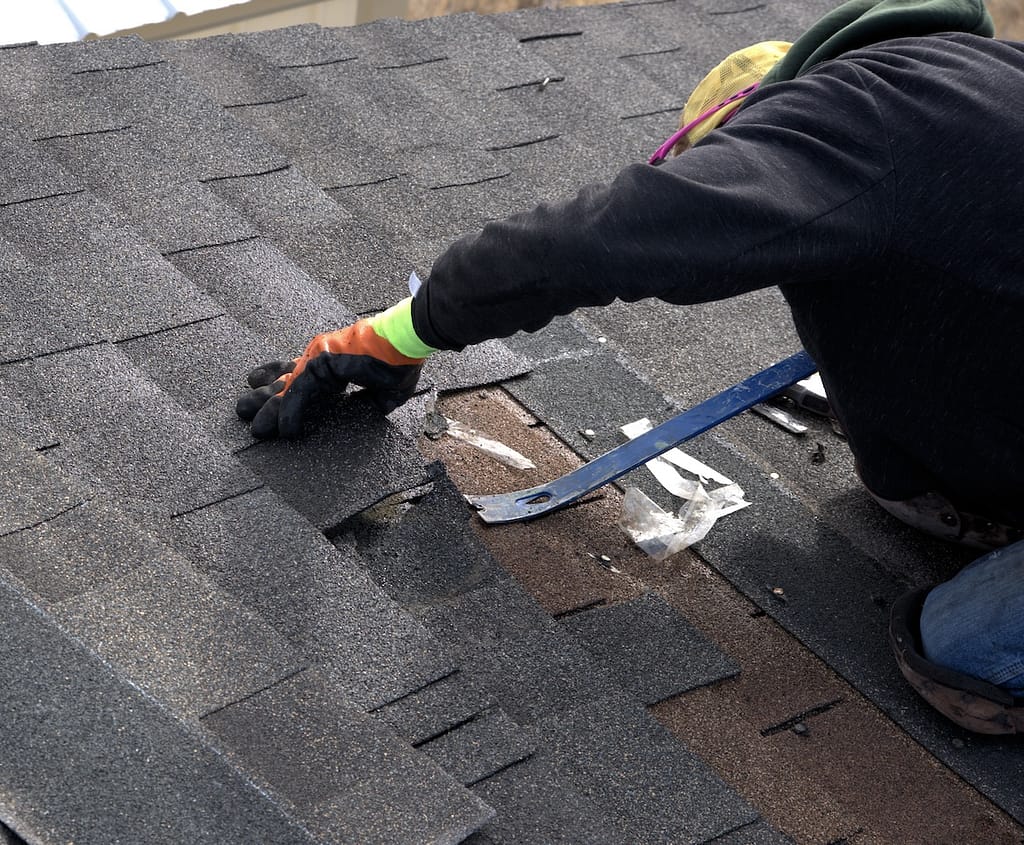
A licensed contractor begins with a comprehensive inspection, starting outside and moving indoors to trace moisture paths. They check shingles, flashing, vents, gutters, skylights, and penetrations for impact points and wind uplift. If there is ongoing water entry, crews quickly install protective tarps or temporary coverings, secure loose materials, and clear debris from valleys and gutters. Stabilization focuses on stopping active leaks first, then isolating unsafe areas so the home remains livable while a permanent repair plan is prepared.
Documentation, Estimates, And Claim Support
Detailed photo and video documentation accompanies written damage notes that identify the cause, affected components, and recommended repairs. A transparent estimate breaks out materials, labor, and any code upgrades required. For homeowners in Iowa City and surrounding areas, many reputable contractors coordinate directly with your adjuster, supply scope-of-work documentation, and schedule a joint inspection if needed. This coordination shortens timelines and helps ensure coverage aligns with actual repair needs.
Permanent Repairs And Quality Control
Once authorized, crews remove compromised materials, replace damaged decking or underlayment, install new shingles or other roofing materials, and re-seal all penetrations with properly lapped flashing. They verify ventilation is clear, re-hang gutters if displaced, and test for watertightness around valleys and walls. A final walkthrough confirms the roof is secure, clean, and compliant with local codes. Quality control also includes magnet rolling the property to pick up stray fasteners and providing homeowners with care guidance for the first heavy rain after the repair.
Common Causes Of Roofing Emergencies
Different storm patterns create different types of roof damage. Knowing the most common culprits can help you prepare your home ahead of severe weather.
- High winds: Uplift forces loosen or remove shingles and expose underlayment.
- Hail damage: Granule loss, bruised shingles, and dented metal increase leak risk.
- Falling limbs: Direct impact can puncture decking and compromise structural elements.
- Wind-driven rain: Water finds its way beneath lifted shingles and weak flashing.
- Ice buildup: Freeze-thaw cycles and ice dams force water under the shingle layer.
- Aging materials: Worn shingles and brittle seals are far more vulnerable during storms.

Prevention Tips To Reduce Future Emergencies
You cannot control the weather, but thoughtful maintenance and a few upgrades can dramatically reduce storm damage risk and the need for emergency roof repair later.
- Schedule an annual inspection: A pro can catch minor flashing gaps, nail pops, and lifted shingles before storms magnify them.
- Maintain gutters and downspouts: Clear drainage keeps water moving off the roof and away from the foundation during heavy rain.
- Trim nearby trees: Remove dead or overhanging branches that could strike the roof or scrape shingles during high winds.
- Upgrade weak points: Impact-resistant shingles, reinforced starter strips, ice-and-water shield in valleys, and properly sized ridge and soffit vents all improve resilience.
- Fix small problems fast: Address missing shingles, cracked boots, or loose gutters immediately so they do not evolve into leaks during the next storm.
To minimize weather-related project delays and take advantage of seasonal contractor schedules, timing is crucial. Determine the best time to replace roof in your region to secure optimal installation conditions and avoid peak season rush.
Back Under A Safe Roof, Fast
Roof damage is stressful, but a clear plan helps you take control. Quick safety checks, simple interior protection, thorough documentation, and fast calls to qualified professionals will limit damage and accelerate repairs. With an experienced team on your side, your home can be stabilized quickly and restored with materials that stand up to Iowa’s weather.
At Heartland, we specialize in emergency roof repair for homeowners in Iowa City and surrounding areas. Our crews respond quickly, secure your property, and perform durable repairs that stand the test of time. If a recent storm left your roof vulnerable, contact Heartland today for a free estimate and discover why so many Central Iowa homeowners trust us as their #1 roofing partner when it matters most.

Get Started Today!
From roofing to siding, Heartland Roofing is the team you need to take your home exterior to the next level. All you need to do is reach out! Fill out our contact form or give us a call to get the reliable help that you need.


