
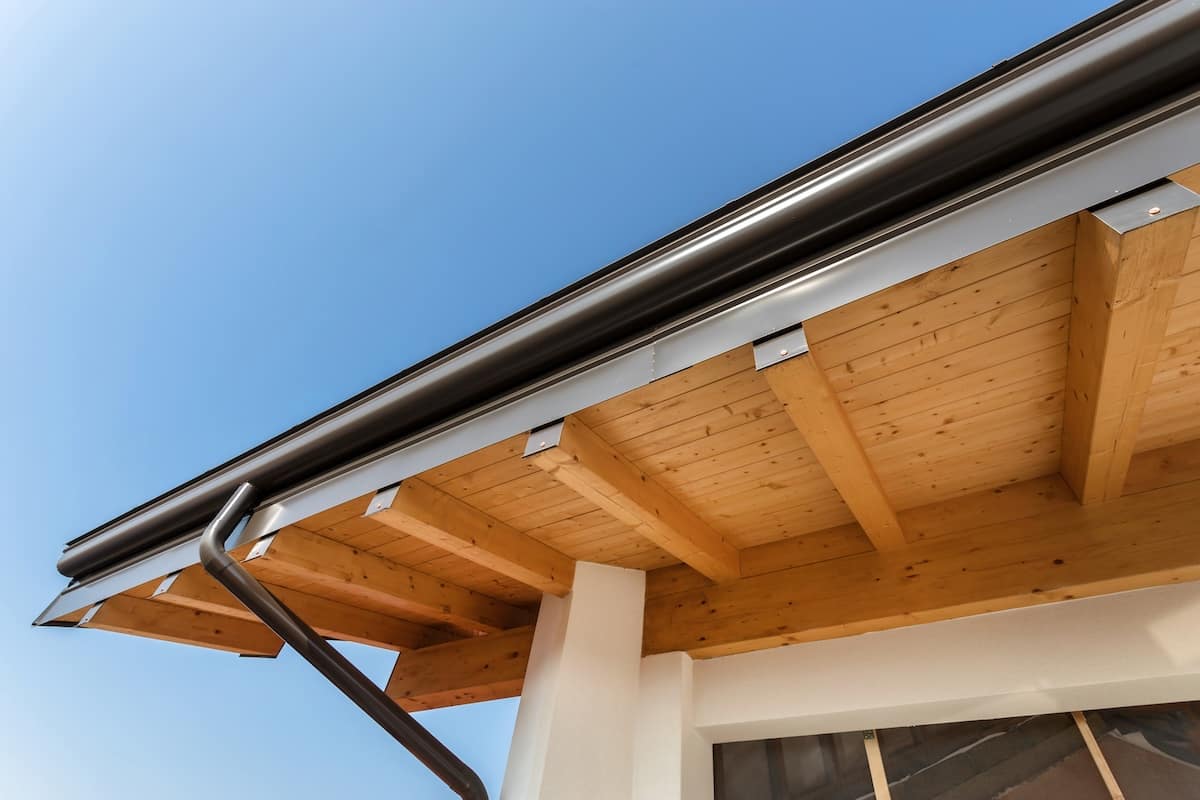
What Are Eaves Of A House & Why Are They Important?
October 23,2025
8 Minute Read
The eaves of a house do far more than finish the roof edge. They direct water, support attic ventilation, and protect siding and foundations so homes in Grimes and surrounding areas stay dry, efficient, and comfortable. When properly designed and maintained, eaves become one of the most important defensive systems on your home.
- Weather protection: Eaves move rain and snowmelt away from walls, windows, and foundations.
- Healthy ventilation: Vented soffits bring fresh air into the attic so heat and moisture do not linger.
- Curb appeal: Clean soffits, straight fascia, and crisp drip edges sharpen the entire exterior.
Eaves Defined: Parts And Terminology
Eaves are the horizontal roof edges that extend past exterior walls to create a protective overhang. Think of them as a small but critical system at the roofline that manages water and airflow where your home is most vulnerable. Understanding each component helps homeowners in Grimes and surrounding areas make better decisions about repairs, upgrades, and maintenance.
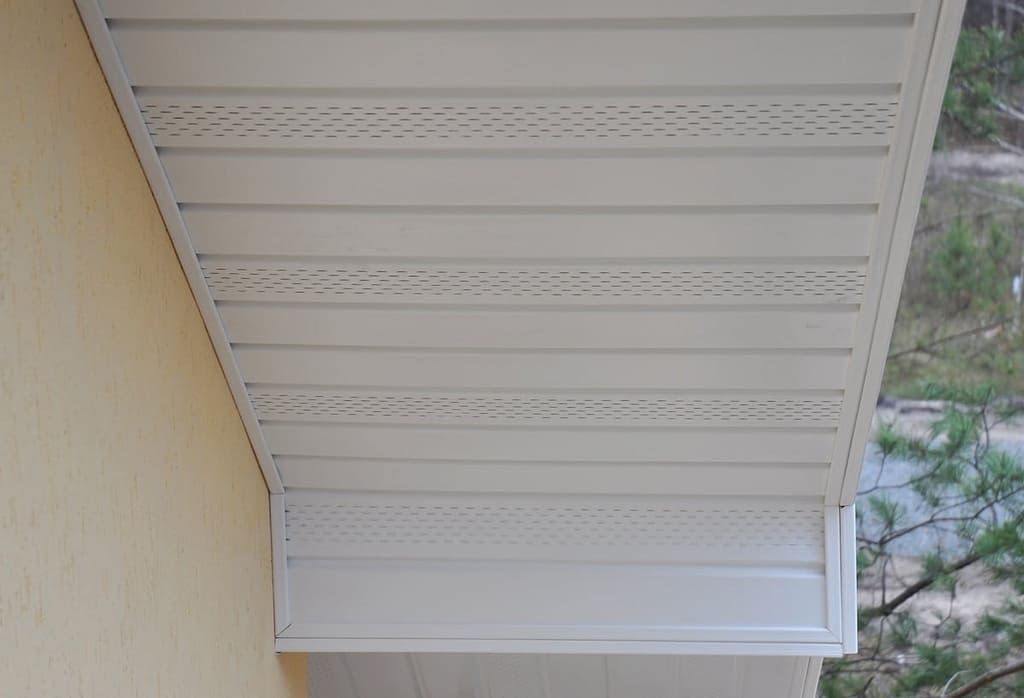
Soffit
The soffit is the underside of the eave and plays a major role in both ventilation and appearance. It can be solid or vented depending on the needs of the attic system.
- Purpose: The underside of the eave that can be solid or ventilated.
- Ventilation: Vented panels draw cool air into the attic for balanced intake.
- Materials: Vinyl, aluminum, fiber cement, or wood based on durability and maintenance preferences.
- Pest control: Tight panels and screens block birds, squirrels, and insects.
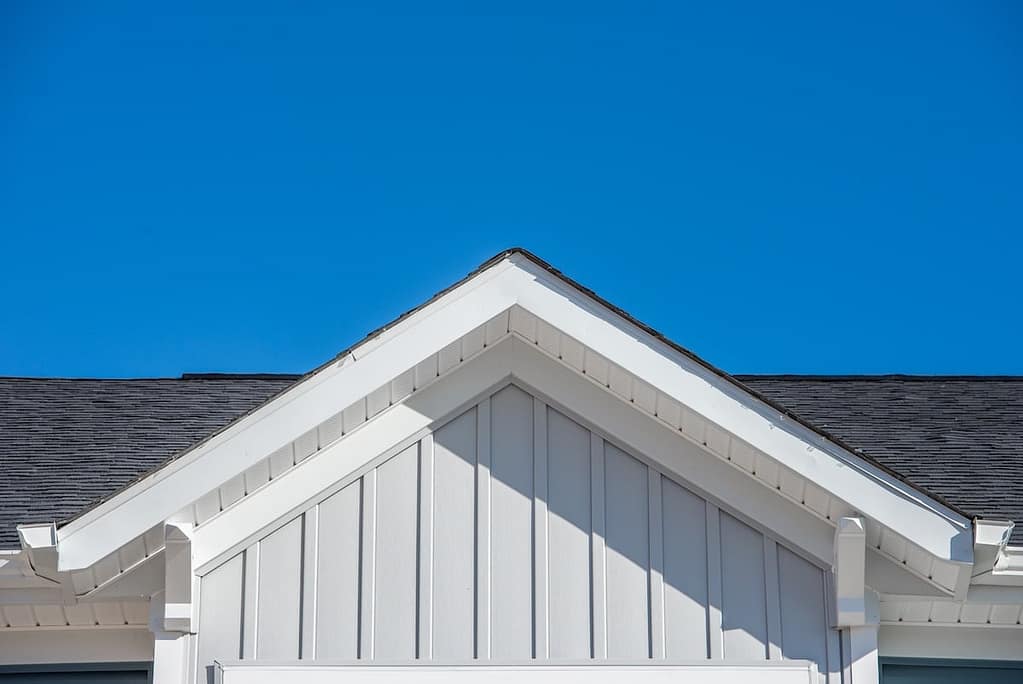
Fascia
Fascia is the vertical finishing board that runs along the roof edge and supports the gutter system. It acts as both a structural and visual component.
- Role: Vertical board that caps rafter ends and supports gutters.
- Durability: Proper fastening and protective coatings prevent rot and sagging.
- Water path: Keeps gutters aligned so water flows correctly away from the home.
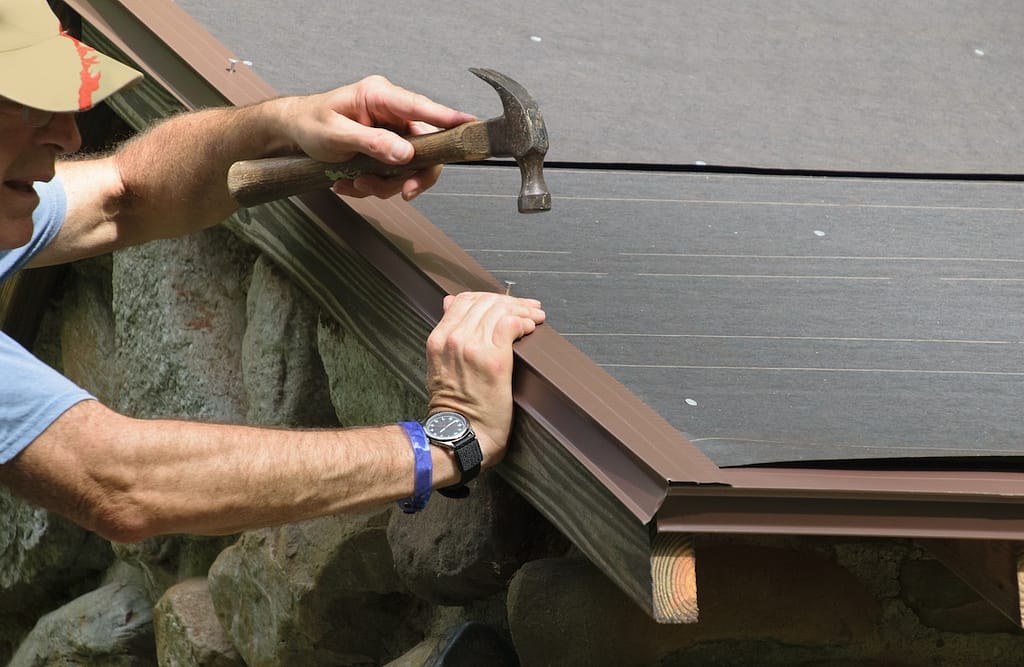
Drip Edge
Drip edge is a small but essential metal flashing that prevents water from damaging the roof edge and underlying materials.
- Function: L-shaped metal flashing that guides water into gutters.
- Placement: Installed under shingles and over fascia to stop water from curling back.
- Protection: Prevents rot, staining, and leaks at the roofline.
Rafter Tails
Rafter tails form the structure of the eave overhang and may be exposed or enclosed depending on the home design.
- Definition: The projecting ends of rafters that create the overhang.
- Finish: Often enclosed but may be exposed for decorative purposes.
- Risk: Vulnerable to moisture damage if not properly sealed or maintained.
Eaves Component Comparison Table
Understanding how each part of the eaves functions can help homeowners in Grimes and surrounding areas quickly identify issues and prioritize maintenance or upgrades.
| Component | Primary Function | Common Materials | Key Benefit | Maintenance Needs |
| Soffit | Allows airflow into the attic | Vinyl, aluminum, wood, fiber cement | Improves ventilation and moisture control | Clean vents and check for blockages |
| Fascia | Supports gutters and protects roof edge | Wood, aluminum-wrapped wood, PVC | Provides structural support for gutters | Inspect for rot, repaint or wrap |
| Drip Edge | Directs water into gutters | Galvanized steel, aluminum | Prevents water damage at roof edge | Ensure proper placement and sealing |
| Rafter Tails | Form the structure of the eave overhang | Wood | Supports roof extension and design | Seal and inspect for moisture damage |
How Eaves Protect Your Home In Central Iowa
Good eaves quietly prevent a long list of issues, from wall staining to attic moisture, extending your roof’s lifespan. When intake, flashing, and drainage work together, your whole roof system lasts longer and performs better.
Water Management
Water control is the primary job of eaves. Without proper drainage, water can quickly damage siding, windows, and foundations.
- Runoff control: Overhang, drip edge, and gutters move water to downspouts.
- Foundation safety: Proper drainage reduces erosion and basement moisture issues.
- Cleaner exterior: Limits splashback that causes stains on siding and brick.
Ventilation And Moisture Control
Eaves help regulate attic airflow, which directly impacts roof performance and indoor comfort.
- Balanced airflow: Soffit intake pairs with ridge vents to remove heat and moisture.
- Shingle longevity: Cooler attic temperatures help roofing materials last longer.
- Winter protection: Proper ventilation reduces the risk of ice dams.
Shade And Energy Efficiency
Eaves also play a role in regulating indoor temperatures by controlling sunlight exposure.
- Summer shading: Overhangs reduce direct sun exposure on windows and walls.
- Seasonal balance: Allows winter sunlight while blocking high summer sun.
- Energy savings: Reduces cooling demand during warmer months.
Wind And Pest Defense
A well-built eave system also strengthens your home against external threats.
- Wind resistance: Properly installed edges reduce wind uplift risk.
- Pest prevention: Screened soffits keep insects and animals out of the attic.
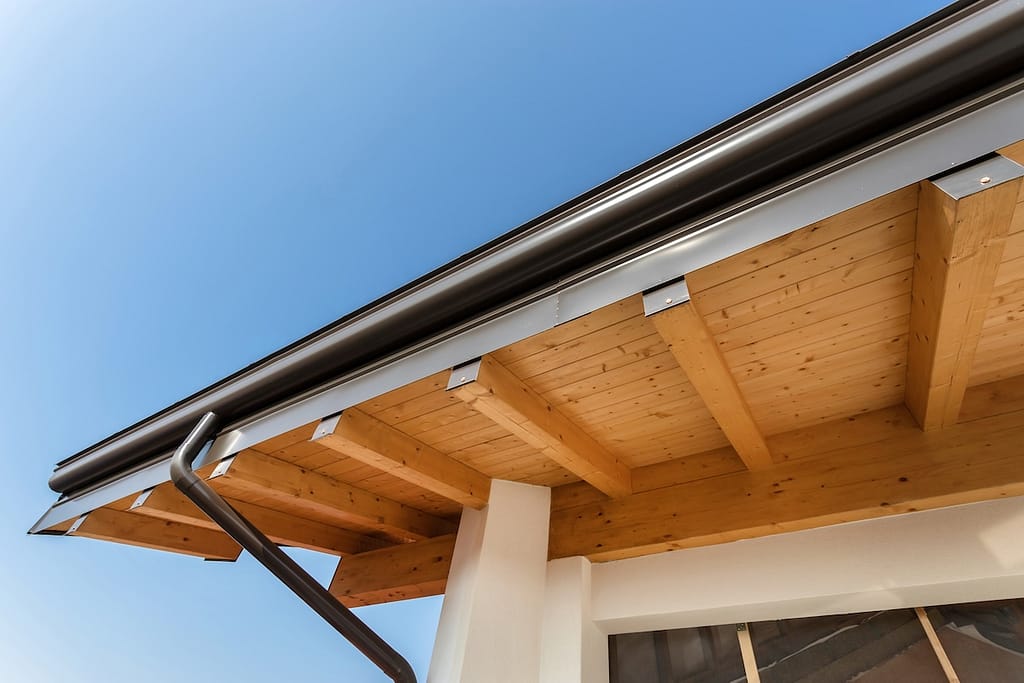
4 Common Eave Styles
Different homes feature different eave styles, each with unique benefits and maintenance needs. Recognizing your style helps you understand what to watch for over time.
- Open eaves: Exposed rafter tails that require regular sealing and maintenance.
- Boxed-in eaves: Fully enclosed with soffit panels for a clean, finished appearance.
- Closed eaves with trim: Decorative trim enhances traditional architectural styles.
- Wide overhangs: Extended projection provides better water control and shading.
Signs Your Eaves Need Attention
A quick inspection can reveal early signs of damage. Addressing these issues early prevents more costly repairs for homeowners in Grimes and surrounding areas.
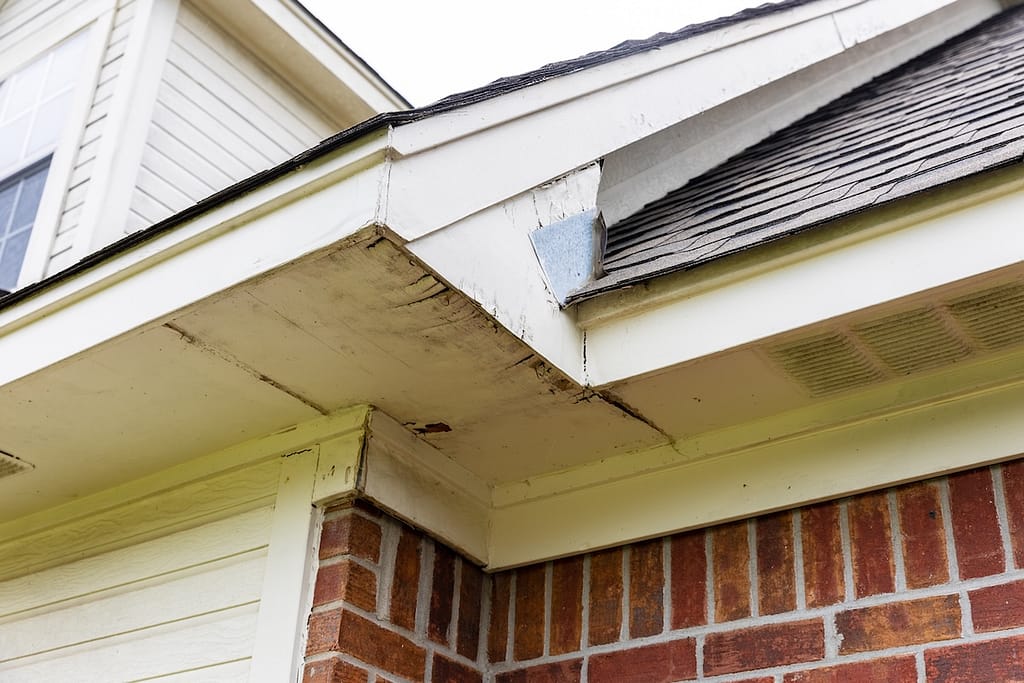
Peeling Paint Or Soft Wood
Flaking paint on fascia or soffit often signals trapped moisture. Common causes include clogged gutters that overflow, a short drip edge that lets water curl back, or an unvented soffit that holds humid air. Probe suspect spots gently with a screwdriver. If the wood yields, you may need a fascia board replacement to fix the damage properly, along with new coatings and a correction to the water path so the problem does not recur.
Stains Or Mold On Soffits
Brown streaks or dark patches on soffit panels point to water traveling behind the gutter or condensing inside the attic. Start with a close look at gutter seams, outlets, and hangers. Then check for blocked soffit vents or insulation packed tight against the roof sheathing. Cleaning the surface improves appearance, but the real fix is restoring proper drainage and airflow so moisture has no reason to linger at the eave.
Sagging Or Leaking Gutters
A gutter that bows or pulls away cannot carry water during downpours. Loose fasteners may have lost their bite in softened fascia, or ice loads may have bent sections out of slope. The cure usually includes new hangers set into solid wood, resealed seams, adjusted pitch, and downspout extensions that send water well beyond planting beds and walkways to protect the foundation.
Ice Dams Forming At Eaves
Icy ridges along the roof edge show that warm attic air is melting snow higher up and refreezing at the colder eaves. The long term solution is a three part effort. Improve air sealing at the ceiling plane, add insulation to reach target depth, and ensure continuous soffit intake linked to ridge exhaust. With those steps in place, most homes see far less damming and far fewer winter leaks.
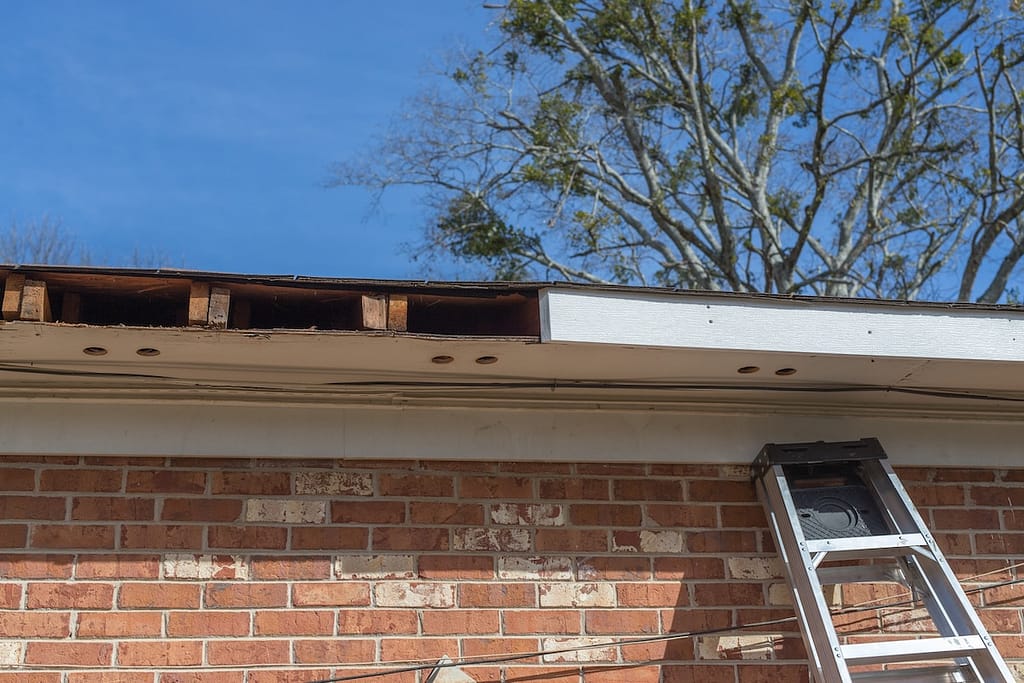
Maintenance And Care Tips
Routine maintenance helps extend the life of your eaves and keeps your roof system functioning properly. Homeowners in Grimes and surrounding areas can prevent major issues with simple upkeep.
- Seasonal cleaning: Remove dirt and debris from soffit vents and surfaces.
- Gutter maintenance: Clean gutters regularly and check for proper drainage.
- Vent protection: Use baffles to keep insulation from blocking airflow.
- Finish upkeep: Paint or wrap fascia to protect against moisture and UV damage.
- Tree trimming: Keep branches away from the roof to reduce debris buildup.
Smart Upgrades During Roof Replacement
Roof replacement projects provide an ideal opportunity to improve eave performance. Upgrading these components enhances durability and efficiency.
- Ventilated soffits: Improve airflow and reduce attic heat buildup.
- Fascia wrap systems: Protect wood and improve gutter support.
- Ice and water shield: Adds protection against leaks at roof edges.
- Drip edge upgrades: Improves water flow and prevents moisture intrusion.
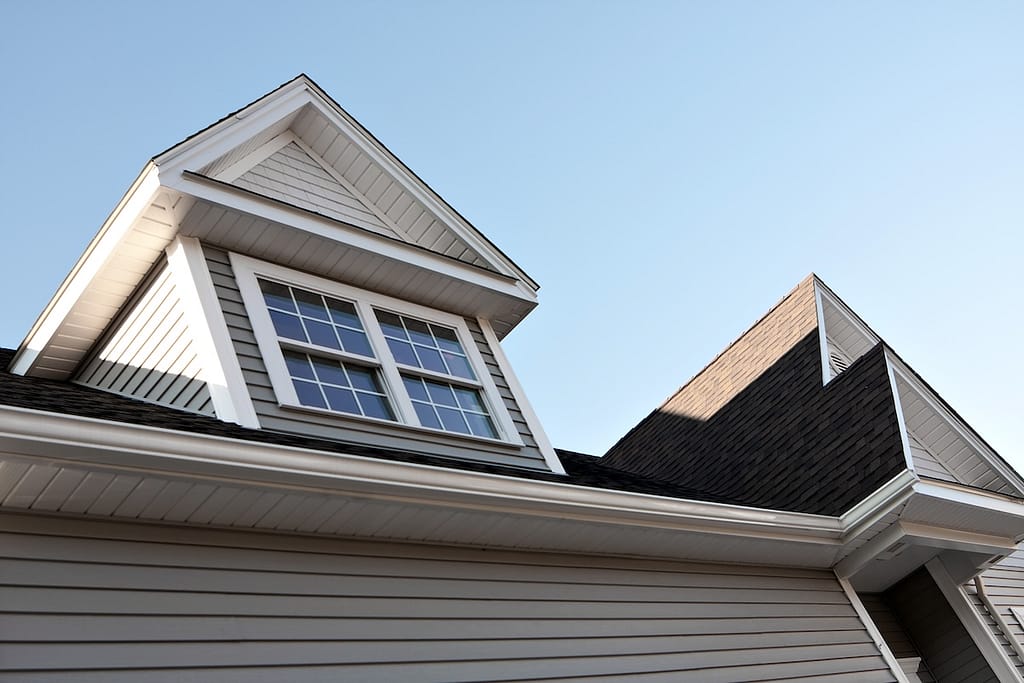
Protect Your Home From The Roofline Down
The eaves of a house are a hardworking system that keeps everything below them safer and drier. When soffit, fascia, drip edge, and gutters operate in sync, homes in Grimes and surrounding areas resist water damage, vent heat and moisture, and look polished from the curb.
At Heartland, we evaluate the entire roof edge and recommend smart, cost-effective upgrades that extend roof life and improve comfort. If you want a professional assessment of the eaves of a house or you are planning a roof project, contact Heartland today for a free estimate. Our local team explains options, shows materials, and delivers meticulous workmanship, which is why so many homeowners trust Heartland as the #1 roofing partner in Central Iowa.

Get Started Today!
From roofing to siding, Heartland Roofing is the team you need to take your home exterior to the next level. All you need to do is reach out! Fill out our contact form or give us a call to get the reliable help that you need.


