

8 Signs of Damaged Chimney Flashing & Fixes
December 16,2025
6 Minute Read
If you’ve noticed water stains, leaks, or musty smells near your fireplace, your chimney flashing may be the culprit. Chimney flashing is the metal barrier that seals the joint where the chimney meets the roof. When it fails, water can penetrate this vulnerable area, leading to costly structural damage and moisture issues. For homeowners in Altoona and surrounding areas, regular flashing maintenance is vital to keeping your roof watertight and your home protected.
- Leak prevention: Flashing creates a weatherproof barrier that directs water away from the chimney base.
- Structural protection: Prevents moisture from reaching attic framing, roof decking, and ceilings.
- Cost savings: Early repairs are less expensive than full chimney or roof replacements.
What Is Chimney Flashing and Why It Matters
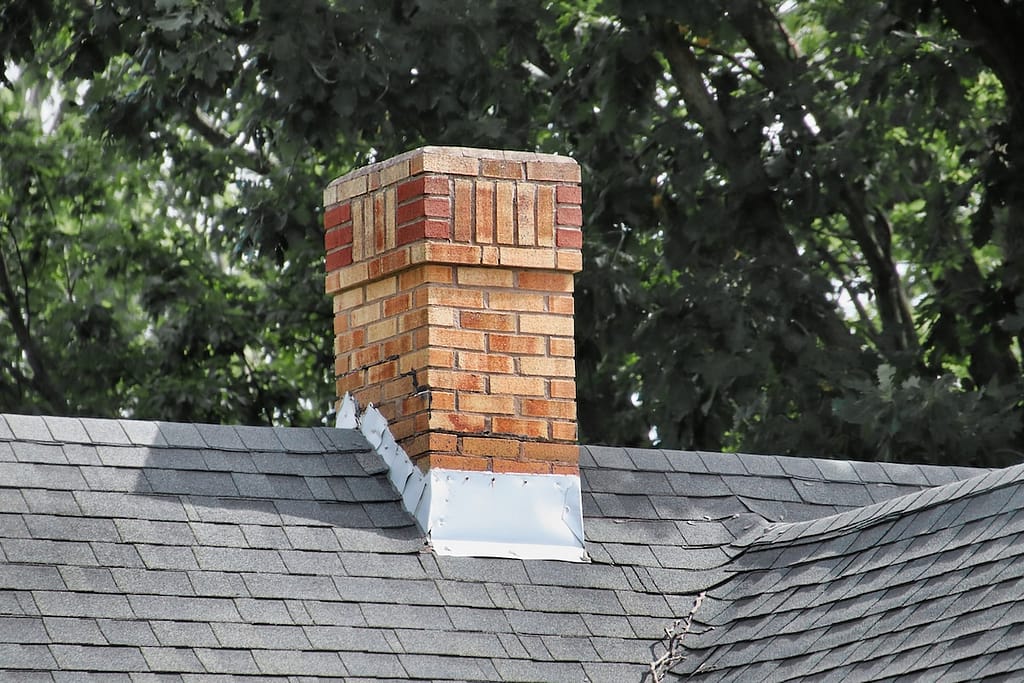
Chimney flashing is made up of multiple layers of metal that overlap to create a waterproof seal between the chimney and roof. These pieces—typically step flashing, counter flashing, and base flashing—work together to keep water out of your home.
In climates like Altoona and surrounding areas, flashing endures rain, snow, and seasonal temperature swings. Over time, expansion and contraction can weaken the seal. Once water starts seeping behind the flashing, it can cause leaks, mold growth, and damage to your roof structure and interior walls.
8 Signs Your Chimney Flashing Is Damaged
Knowing the early warning signs of flashing failure can help prevent extensive repairs. Here are eight key indicators that your chimney flashing needs attention.
- Visible Rust or Corrosion
When flashing begins to rust, it loses its ability to repel water effectively. Rust spots or discoloration signal metal deterioration that will soon lead to leaks. Addressing rust early can prevent total flashing failure. - Water Stains Near the Fireplace or Ceiling
Brown or yellow stains on walls or ceilings near the chimney indicate moisture intrusion. Water from damaged flashing can travel down rafters and drywall, causing widespread damage if left unchecked. - Loose or Missing Flashing Sections
High winds or storms can dislodge flashing pieces, leaving open gaps for water to enter. Missing sections are one of the most obvious warning signs that repairs are needed immediately. - Cracked or Deteriorated Caulk
Flashing joints are sealed with caulk or roofing cement to prevent leaks. Over time, these materials can crack or shrink, leaving openings around the chimney base. Reapplying high-quality sealant can resolve minor issues. - Warped or Separated Metal
Temperature changes cause metal flashing to expand and contract. Eventually, this movement can warp or pull sections apart, creating small gaps that allow rainwater to seep in during storms. - Moss or Algae Growth
Persistent dampness near your chimney encourages moss and algae to grow. This organic buildup signals that water is pooling or lingering around the flashing, which may also damage nearby shingles. - Damaged or Curled Shingles Around the Chimney
Shingles near the chimney that appear warped, cracked, or missing often point to leaking flashing. Once shingles absorb water, they weaken and may allow moisture into the roof decking below. - Musty Smells or Mold in the Attic
Water entering through the flashing can lead to hidden mold growth in insulation or framing. If you notice a musty odor, check your attic for moisture or discoloration near the chimney area.
Common Causes of Chimney Flashing Damage
Several factors contribute to flashing deterioration over time. Understanding these causes helps homeowners identify and prevent recurring issues before they lead to major damage.
Poor Installation Practices
Improperly installed flashing is one of the most common causes of leaks. Contractors who use the wrong materials, incorrect overlaps, or minimal sealant can leave gaps that water quickly exploits. Ensuring proper installation by experienced professionals is essential for long-term protection.
Harsh Weather Conditions
Extreme weather takes a toll on all roofing materials. In Altoona and surrounding areas, heavy snow, wind, and temperature fluctuations can weaken flashing joints, corrode metal, and cause sealant to fail prematurely.
Aging Materials
Even the best flashing doesn’t last forever. Most metal flashing systems have a lifespan of about 20–30 years. Over time, exposure to sunlight, moisture, and thermal expansion will break down the materials.
Animal Interference
Birds, squirrels, and raccoons sometimes loosen flashing while nesting near chimneys. Animal activity can create small openings that lead to leaks during the next rainfall. Regular inspections help catch this kind of damage early.
How To Fix Chimney Flashing Problems
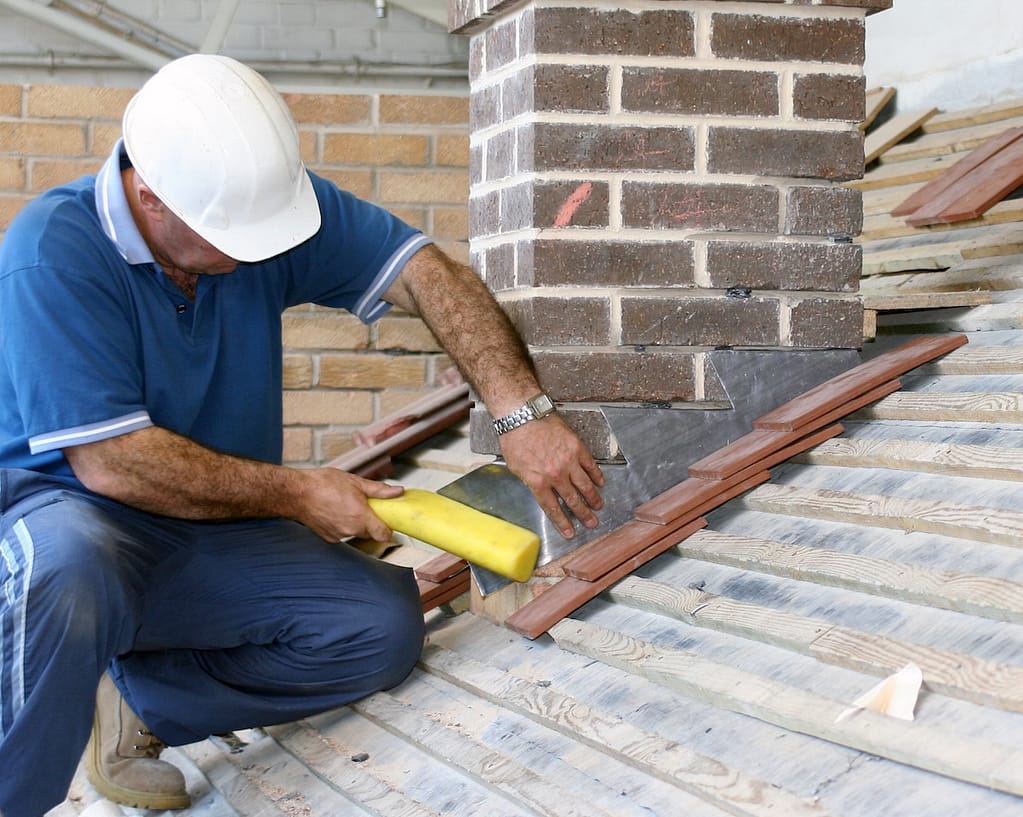
Repair solutions depend on the extent of the damage. Some minor leaks can be fixed with simple resealing, while severe corrosion or warping requires complete replacement.
Reapplying Roof Sealant
For small cracks or gaps, a fresh application of high-quality roofing sealant can restore a watertight seal. Clean the affected area thoroughly before applying the product to ensure strong adhesion.
Replacing Flashing Sections
If your flashing is bent, rusted, or missing pieces, replacement is the best solution. The damaged sections are removed, new flashing is fitted, and all edges are sealed for maximum water resistance.
Installing Counter Flashing
Counter flashing is installed into the mortar joints of the chimney to overlap step flashing. This double-layer system provides long-lasting waterproof protection. Professional roofers often recommend it for homeowners in Altoona and surrounding areas who want maximum leak prevention.
Repairing Associated Damage
If water has entered your roof or walls, those areas should be repaired at the same time as the flashing. Replacing wet insulation, rotted decking, or damaged shingles ensures a complete fix rather than a temporary patch.
Preventing Future Flashing Issues
Prevention is always more effective than repair. Regular inspections and maintenance can help you avoid most chimney flashing problems.
- Schedule annual roof inspections: Have a professional examine your flashing at least once per year and after major storms.
- Clean gutters and downspouts: Proper drainage reduces water pooling around the chimney.
- Monitor attic spaces: Look for damp insulation, stains, or mold that indicate leaks.
- Trim tree branches: Overhanging limbs can rub against the roof or drop debris that traps moisture.
Taking these proactive steps protects your roof and reduces the likelihood of unexpected repairs.
Why Professional Repair and Inspection Are Important
Climbing onto a roof to inspect or repair flashing is dangerous without the right tools and experience. Professional roofing contractors have the equipment, safety training, and expertise to handle flashing repairs correctly.
They can identify hidden damage that homeowners often miss and ensure that all flashing materials meet current building codes. In Altoona and surrounding areas, professional service also ensures your roof remains durable and weather-resistant through Iowa’s demanding seasons.
Protect Your Roof With Heartland
Your chimney flashing may be small, but it plays a major role in keeping your home dry and damage-free. Recognizing the signs of wear and acting quickly can save you from costly repairs in the future.
Heartland proudly serves homeowners in Altoona and surrounding areas with dependable flashing repair, replacement, and full roofing services. Our experienced team ensures every seal is tight, every connection is secure, and every roof is built to last.
Contact Heartland and ensure your chimney flashing is properly installed, maintained, and ready to protect your home year-round.

Get Started Today!
From roofing to siding, Heartland Roofing is the team you need to take your home exterior to the next level. All you need to do is reach out! Fill out our contact form or give us a call to get the reliable help that you need.


