

Asphalt Roof Replacement: What Iowa Homeowners Can Expect
August 14,2026
12 Minute Read
Asphalt roof replacement is one of the most common home improvements Iowa homeowners face, and knowing what to expect ahead of time takes much of the stress out of the process. From the first inspection to the final cleanup, a well-run replacement follows a predictable path, and understanding that path helps you plan, budget, and choose the right contractor with confidence. This guide walks through the signs it is time to replace, the step-by-step process, the timeline, and what drives the cost.
Here is what you will learn:
- When to replace: The clear signs your asphalt roof has reached the end of its life.
- The process: What actually happens during a replacement, step by step.
- Timeline and cost: How long the work takes and what shapes the final price.
Why Asphalt Is the Standard for Iowa Roofs
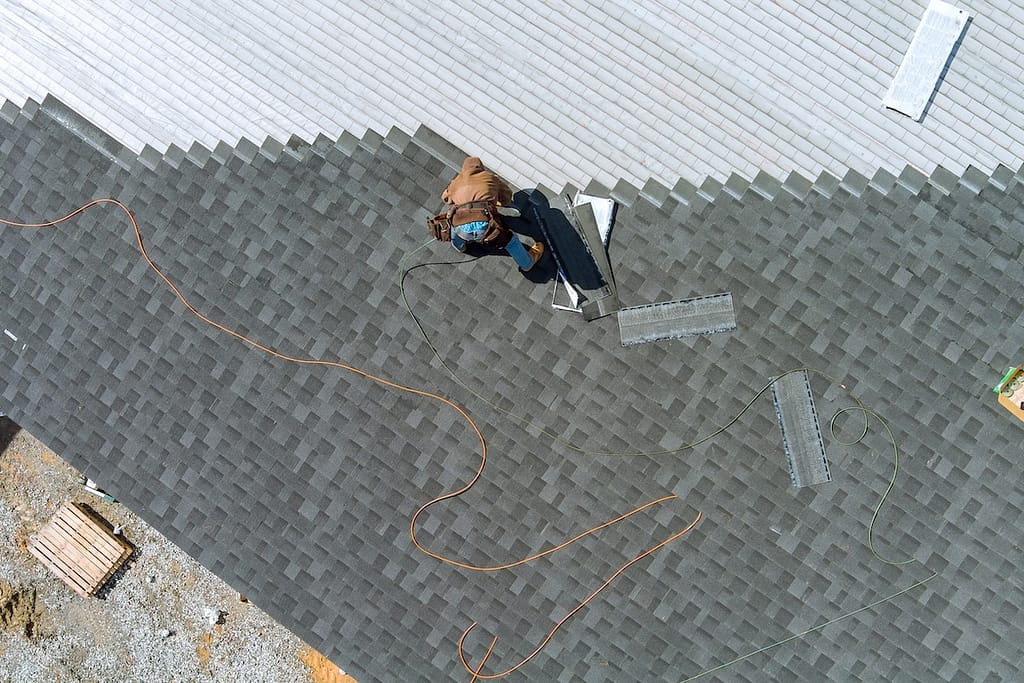
Asphalt shingles are the default choice for the vast majority of Iowa homes, and understanding why helps explain what to expect from a replacement. Their popularity comes down to a balance of cost, performance, and versatility.
Asphalt Shingles Dominate American Roofs
Asphalt shingles are by far the most common roofing material in the country, valued for their affordability, appearance, and reliability. According to the Asphalt Roofing Manufacturers Association, asphalt shingles can be found atop more than 80 percent of American homes. That widespread use means proven installation practices, a wide range of styles and colors, and readily available materials, all of which work in your favor during a replacement. For Iowa homeowners, asphalt offers a dependable, cost-effective way to protect a home through hot summers and cold, snowy winters.
- Most common material: On more than 80 percent of American homes.
- Proven practices: Widespread use means well-established methods.
- Style range: Many colors and profiles to match your home.
- Iowa-ready: Dependable protection through all four seasons.
Modern Asphalt Shingles Have Come a Long Way
Today’s architectural asphalt shingles offer far more durability and visual appeal than the basic three-tab shingles of the past. Architectural, or dimensional, shingles are thicker, layered, and more wind-resistant, giving a richer look and a longer life. Many modern shingles also carry strong wind and impact ratings that suit Iowa’s storm-prone climate. This evolution means a replacement today can deliver better performance and curb appeal than the roof it replaces.
- Architectural shingles: Thicker and more durable than old three-tab.
- Better looks: A richer, dimensional appearance.
- Storm-ready ratings: Improved wind and impact resistance.
- An upgrade: A new roof can outperform the old one.
Signs It’s Time for an Asphalt Roof Replacement
Knowing the warning signs helps you replace your roof before it fails and causes interior damage. A few clear symptoms tell you the end is near.
The Clear Warning Signs
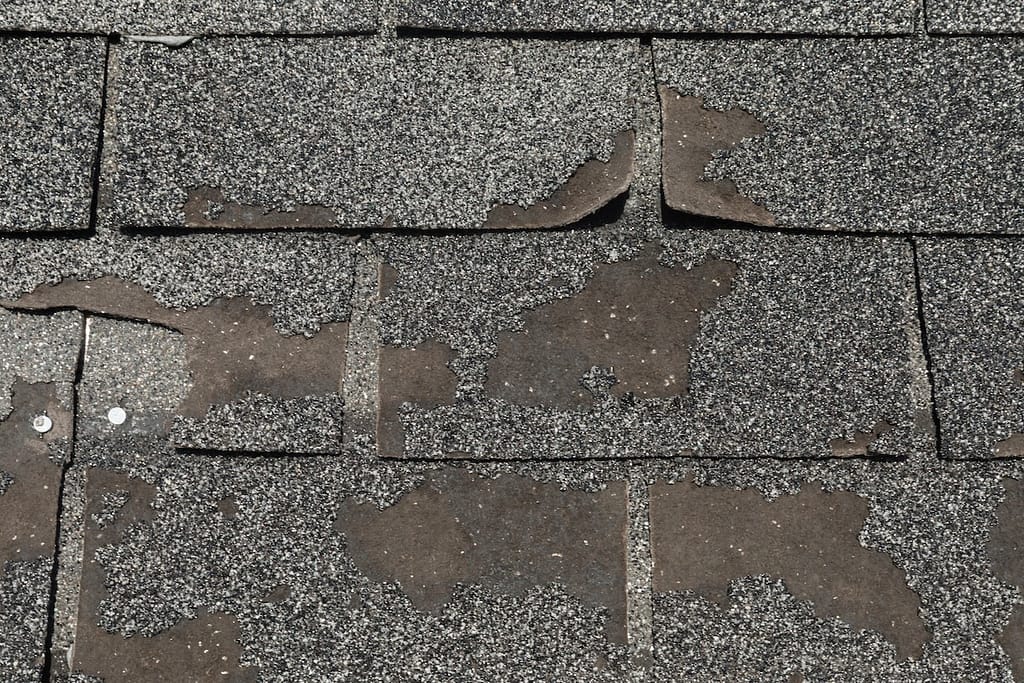
The most telling signs include curling or missing shingles, granules collecting in gutters, daylight showing through the attic, and a roof that has reached 20 years or more. As asphalt shingles age, they lose the protective granules that shield them, dry out, and crack, leaving your home vulnerable to leaks. Widespread damage, sagging, or recurring leaks all point toward replacement rather than repair. If your roof shows several of these signs at once, it is time to have it evaluated.
- Curling or missing shingles: A clear sign of aging or damage.
- Granules in gutters: The protective surface is wearing away.
- Daylight in the attic: Gaps that let water and air in.
- Age of 20-plus years: Most asphalt roofs near the end here.
Why Iowa Weather Accelerates Wear
Iowa’s climate is especially hard on asphalt roofs, with hail, high winds, heavy snow, and freeze-thaw cycles all taking a toll. Hailstorms can bruise and crack shingles, while wind can lift and tear them, and the constant expansion and contraction of freezing and thawing wears materials down faster than in milder regions. This means Iowa roofs sometimes need replacement sooner than the material’s maximum rated lifespan. Regular inspections, especially after major storms, help you catch damage early.
- Hail and wind: Storms bruise, crack, and lift shingles.
- Snow and ice: Heavy loads and ice dams stress the roof.
- Freeze-thaw cycles: Constant temperature swings wear materials.
- Inspect after storms: Catch weather damage early.
6 Steps in Your Asphalt Roof Replacement
The steps below walk through what actually happens during a replacement. This section introduces the process, then breaks each step down so you know exactly what to expect from start to finish.
1. Inspection and Estimate
The process begins with a thorough inspection of your roof, followed by a detailed written estimate of the scope and cost. A qualified contractor evaluates the shingles, flashing, decking, and ventilation, then explains what they find and lays out your options. This is also when you discuss shingle choices, colors, and any underlying issues that need attention. A clear, itemized estimate lets you understand exactly what you are paying for before any work begins.
- Full inspection: The contractor assesses shingles, flashing, and decking.
- Options explained: You learn what needs to be done and why.
- Material choices: Discuss shingle style and color.
- Itemized estimate: A clear breakdown of scope and cost.
2. Preparation and Property Protection
Before work starts, the crew prepares the site by protecting your landscaping, siding, windows, and outdoor items from falling debris. Tarps and protective coverings are placed around the home, and vehicles and fragile items are moved clear of the work area. This step matters because a roof replacement generates a lot of debris, and good preparation prevents damage to the rest of your property. A professional crew treats your home with care from the very first day.
- Site protection: Tarps shield landscaping, siding, and windows.
- Clear the area: Move vehicles and fragile items away.
- Debris planning: Preparation contains the mess a tear-off creates.
- Home care: A good crew protects your whole property.
3. Tear-Off of the Old Roof
Next, the crew removes the existing shingles down to the roof deck, clearing the way for a proper new installation. Tearing off the old roofing allows the contractor to inspect the decking underneath and address any hidden damage, which a simple layover would miss. All the old material is removed and disposed of, keeping the work area clean and safe. A complete tear-off is the foundation of a durable, long-lasting new roof.
- Down to the deck: Old shingles are fully removed.
- Reveals the decking: Hidden damage becomes visible.
- Clean removal: Old material is hauled away.
- Solid foundation: A full tear-off sets up a lasting roof.
4. Decking Inspection and Repair
With the old roofing gone, the crew inspects the exposed decking and repairs or replaces any damaged sections before installing the new roof. Rotted, soft, or water-damaged decking cannot support a new roof properly, so addressing it now prevents future problems. This step is why a full replacement is more reliable than roofing over old materials. Ensuring a sound deck is essential to the performance and warranty of the new roof.
- Deck inspection: The exposed decking is checked closely.
- Repair as needed: Rotted or damaged sections are replaced.
- Prevents problems: A sound deck avoids future failures.
- Warranty matters: A solid base protects your new roof.
5. Installation of the New Roofing System
The crew then installs the complete new roofing system, including underlayment, flashing, shingles, and ventilation components, to manufacturer specifications. A proper asphalt roof is a system, not just shingles, and each layer plays a role in keeping water out and the roof breathing correctly. The installation follows a careful sequence, from the protective underlayment to the finished ridge caps. Installing to specification is what activates manufacturer warranties and ensures long-term performance.
- A complete system: Underlayment, flashing, shingles, and ventilation.
- Proper sequence: Each layer installed in the right order.
- To specification: Correct installation protects warranties.
- Built to last: A system approach ensures performance.
6. Cleanup and Final Inspection
Finally, the crew thoroughly cleans the site and conducts a final inspection to confirm the work meets standards. Debris is removed, and a magnetic sweep collects stray nails from your yard and driveway to keep your family and pets safe. A final walkthrough ensures everything is complete and lets you ask any questions before signoff. A clean site and careful final check are the marks of a professional replacement.
- Thorough cleanup: Debris removed and the site restored.
- Nail sweep: A magnet collects stray nails from the yard.
- Final inspection: The work is confirmed to meet standards.
- Walkthrough: You review the finished roof before signoff.
How Long Does an Asphalt Roof Replacement Take?
Timeline is a common question, and knowing what to expect helps you plan around the work. Most replacements are faster than homeowners expect.
Typical Timeline for a Replacement
Most residential asphalt roof replacements are completed in one to three days, depending on the size and complexity of the roof and the weather. A straightforward roof on an average home is often finished in a single day, while larger or more complex rooflines take longer. Weather is the biggest variable in Iowa, since rain and storms can pause the work for safety and to protect your home. A good contractor gives you a clear schedule and keeps you informed of any weather delays.
- One to three days: Typical for most residential roofs.
- Size and complexity: Larger, intricate roofs take longer.
- Weather matters: Iowa storms can pause the work.
- Clear schedule: A good contractor keeps you informed.
What Can Affect the Schedule
Several factors can extend a roof replacement timeline, including roof size, complexity, weather, and any unexpected decking damage found during tear-off. A roof with many valleys, dormers, or steep slopes takes more time than a simple gable roof. Discovering extensive rotted decking can add a day, as can rain that halts work. Understanding these variables helps you keep realistic expectations about the schedule.
- Roof complexity: Valleys and dormers add time.
- Hidden damage: Extensive decking repair can extend the job.
- Weather delays: Rain pauses work for safety.
- Realistic expectations: Several factors shape the final timeline.
What Drives the Cost of an Asphalt Roof Replacement
Cost depends on several factors, and understanding them helps you budget and compare quotes fairly. A detailed estimate makes the price transparent.
The Main Cost Factors
The cost of an asphalt roof replacement depends on the size and pitch of the roof, the shingle type you choose, the extent of any decking repairs, and the complexity of the roofline. Larger roofs need more material and labor, while premium architectural shingles cost more than basic three-tab. Steep or complex roofs require more time and safety measures, and any decking repairs add to the total. Getting an itemized quote lets you see exactly what drives your price.
- Size and pitch: Larger, steeper roofs cost more.
- Shingle type: Premium shingles raise the price.
- Decking repairs: Damaged decking adds to the total.
- Roofline complexity: Valleys and dormers increase labor.
Why the Cheapest Quote Isn’t Always Best
The lowest bid can end up costing more if it reflects cut corners, cheaper materials, or an incomplete scope. A quality replacement includes a full tear-off, proper decking repair, quality underlayment and flashing, and installation to manufacturer specifications, none of which should be skipped to hit a low price. A workmanship warranty and a reputable, insured contractor are worth paying for. Comparing quotes on scope and quality, not just price, protects your investment.
- Watch for corners cut: A low bid may skip key steps.
- Full scope matters: Tear-off, decking, and proper materials count.
- Warranty value: A workmanship warranty is worth paying for.
- Compare fairly: Weigh scope and quality, not just price.
Frequently Asked Questions
How much does an asphalt roof replacement cost?
Costs vary widely based on roof size, pitch, shingle type, decking repairs, and roofline complexity. The best way to get an accurate figure is a professional inspection and detailed, itemized estimate. Remember that the lowest quote is not always the best value if it cuts corners.
How long does an asphalt roof last in Iowa?
Asphalt roofs commonly last 15 to 30 years depending on the shingle quality and installation, though Iowa’s hail, wind, and freeze-thaw cycles can shorten that in some cases. Architectural shingles generally last longer than basic three-tab. Regular inspections help you get the most from your roof.
Can I roof over my existing shingles instead of replacing them?
While roofing over old shingles is sometimes possible, a full tear-off is generally the better choice because it lets the contractor inspect and repair the decking underneath. A layover can hide damage and may shorten the life of the new roof. A complete replacement is more reliable and often required for warranty coverage.
How do I know if I need a repair or a full replacement?
Isolated damage on a relatively new roof can often be repaired, while widespread damage, aging shingles, or recurring leaks usually call for replacement. A professional inspection is the best way to know for sure. An honest contractor will tell you which option makes sense for your situation.
Will a roof replacement disrupt my daily life?
A professional crew works efficiently and protects your property, so most replacements cause only minor, temporary disruption. There is noise during the work and you will want to keep vehicles clear of the driveway, but most homeowners carry on with their day. A good contractor communicates the schedule up front.
What is the best time of year to replace a roof in Iowa?
Late spring through early fall is often ideal in Iowa, offering milder weather and better shingle sealing conditions, though replacements can be done year-round. Roofing crews stay busy after storm seasons, so scheduling early helps. A reputable contractor can advise on timing for your situation.
Why Heartland Is a Smart Choice for Your Asphalt Roof Replacement
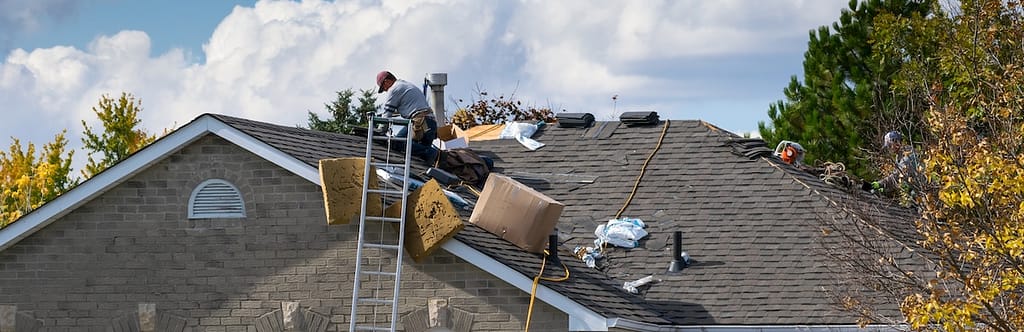
Replacing your roof is a major investment, and the contractor you choose determines whether it protects your home for decades. Heartland Roofing, Siding & Solar helps homeowners across Des Moines and surrounding areas through every step of an asphalt roof replacement, from honest inspection to careful installation and thorough cleanup, backed by an A+ BBB rating and a 10-year workmanship warranty on full replacements. As an Owens Corning Platinum Preferred contractor rooted in the community, Heartland delivers the quality materials, proven workmanship, and straightforward guidance that Iowa homeowners deserve. Reach out to Heartland today for a free inspection and expert guidance on your asphalt roof replacement.

Get Started Today!
From roofing to siding, Heartland Roofing is the team you need to take your home exterior to the next level. All you need to do is reach out! Fill out our contact form or give us a call to get the reliable help that you need.


