

Storm Damage Roof Repair: What Homeowners Need to Know First
June 10,2026
6 Minute Read
Storm damage roof repair is often necessary after severe weather events cause damage to shingles, flashing, gutters, or other critical roofing components. While some damage is immediately visible, other issues may go unnoticed until leaks or structural problems develop. For homeowners in Cedar Rapids and surrounding areas, understanding how storm damage affects a roof and knowing what steps to take afterward can help prevent more costly repairs down the road.
- Fast action matters: Prompt inspections help identify hidden damage before it worsens.
- Not all damage is obvious: Storm-related issues can exist even when the roof appears intact.
- Professional evaluation helps: Thorough inspections provide a clearer picture of roof condition.
How Storms Damage Roofing Systems
Storms can impact a roof in several different ways depending on the weather event. High winds, hail, heavy rain, and falling debris each create unique challenges for roofing systems.
Even newer roofs can suffer damage during severe weather. Understanding the common causes helps homeowners know what to look for after a storm passes.
Wind Damage
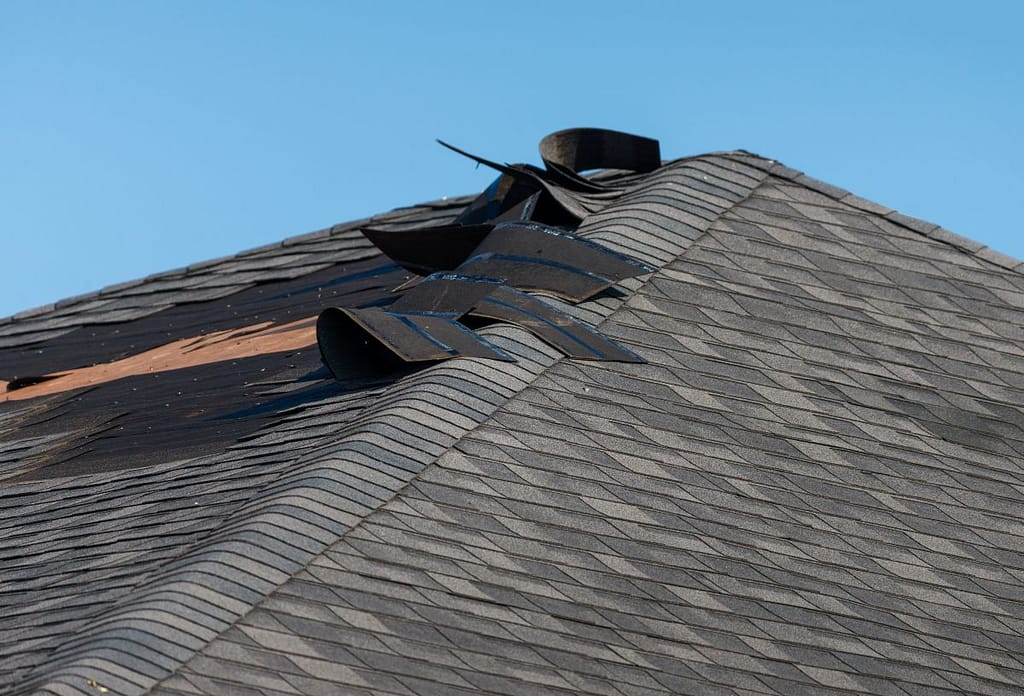
High winds are among the most common causes of storm damage roof repair. Strong gusts can loosen, crease, or completely remove shingles, exposing the layers beneath.
- Lifted shingles: Wind can break the seal between shingles.
- Missing roofing materials: Entire sections may be blown away.
- Exposed underlayment: Increases vulnerability to water intrusion.
- Flashing damage: Wind can loosen metal components around roof penetrations.
Hail Damage
Hail can cause both visible and hidden roofing problems. The severity often depends on hail size, storm intensity, and roofing material.
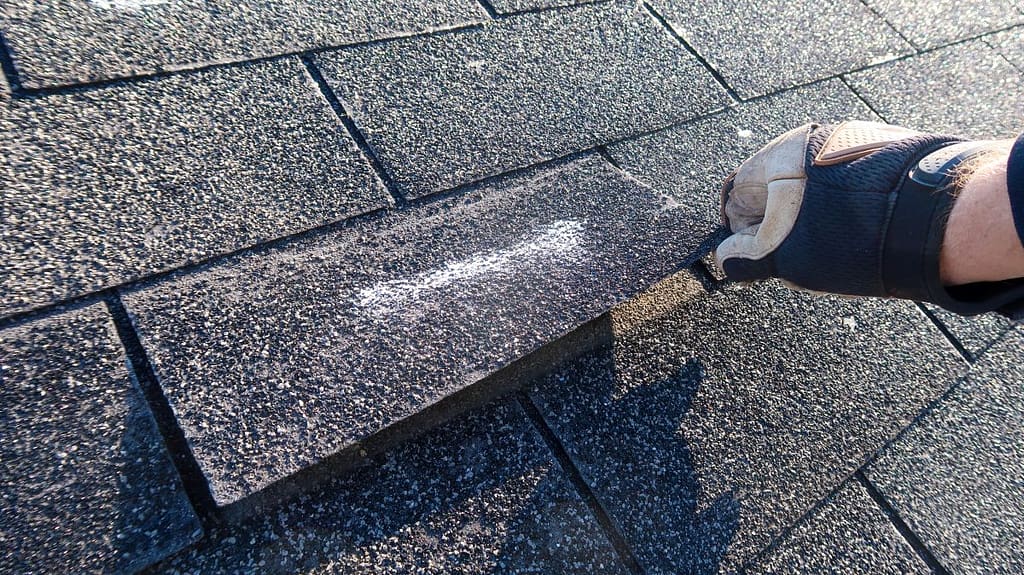
- Granule loss: Impacts shingle protection and lifespan.
- Bruising: Weakens asphalt shingles beneath the surface.
- Cracked materials: Larger hailstones can fracture roofing products.
- Accelerated aging: Damaged shingles deteriorate more quickly.
Falling Debris
Tree limbs and airborne debris can create immediate damage during severe storms.
- Punctures: Branches may penetrate roofing materials.
- Structural stress: Heavy impacts can affect decking.
- Gutter damage: Debris often damages drainage systems.
- Safety concerns: Large impacts may require immediate attention.
3 Signs You May Need Storm Damage Roof Repair
Not all storm damage is visible from the ground. Some issues develop gradually and become noticeable only after water intrusion begins.
Homeowners should inspect their property after severe weather and watch for warning signs that indicate a professional inspection may be needed.
1. Missing or Damaged Shingles
Damaged shingles are one of the clearest indicators that storm damage roof repair may be necessary.
- Curled edges: Can indicate wind-related lifting.
- Torn shingles: Reduce weather protection.
- Bare spots: Missing shingles expose underlying materials.
- Uneven appearance: May signal hidden storm damage.
2. Granules in Gutters
Finding excessive roofing granules in gutters often indicates hail or weather-related wear.
- Protective coating loss: Reduces shingle effectiveness.
- Accelerated deterioration: Exposed asphalt ages faster.
- Potential hail impact: Often follows severe storms.
- Inspection recommended: Granule loss should be evaluated.
3. Interior Water Stains
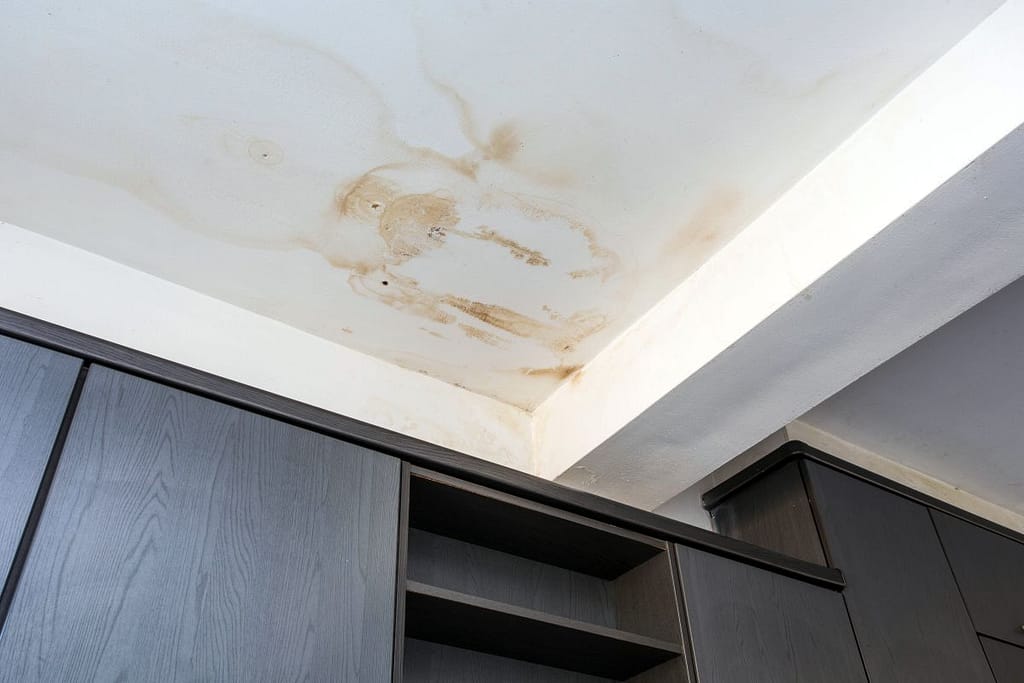
Water stains on ceilings or walls frequently indicate roofing damage.
- Leak warning: Water may be entering through damaged roofing materials.
- Attic moisture: Hidden leaks can affect insulation.
- Progressive damage: Small leaks often grow worse over time.
- Repair urgency: Prompt action helps prevent additional damage.
What to Do Immediately After a Storm
Knowing what steps to take after severe weather can help protect your home and simplify the repair process.
Safety should always come first. Avoid climbing onto the roof yourself, especially if damage is suspected.
Conduct a Ground-Level Inspection
Start by observing the property from a safe location.
- Look for missing shingles: Check around the yard and roof edges.
- Inspect gutters: Look for dents or debris accumulation.
- Check siding and windows: Damage elsewhere may indicate roof impacts.
- Document findings: Take photos of visible damage.
Protect the Interior
If water is entering the home, take steps to minimize additional damage.
- Move valuables: Protect furniture and electronics.
- Contain water: Use buckets or containers if necessary.
- Monitor ceilings: Watch for expanding water stains.
- Schedule an inspection: Have the roof evaluated promptly.
The Storm Damage Roof Repair Process
Understanding the repair process helps homeowners know what to expect once a professional inspection is scheduled.
Each project varies depending on the type and extent of the damage.
Initial Roof Inspection
The first step is a comprehensive evaluation of the roofing system.
- Damage assessment: Identifies visible and hidden issues.
- Photo documentation: Records affected areas.
- Material evaluation: Determines repair needs.
- Written findings: Provides a clear overview of roof condition.
Repair Planning
Once damage is identified, a repair plan is developed.
- Scope of work: Outlines required repairs.
- Material selection: Matches existing roofing whenever possible.
- Timeline development: Establishes project expectations.
- Cost evaluation: Provides repair estimates.
Completing Repairs
Storm damage roof repair may involve anything from replacing a few shingles to restoring larger sections of the roofing system.
- Shingle replacement: Addresses localized damage.
- Flashing repairs: Restores vulnerable roof transitions.
- Gutter repairs: Improves drainage performance.
- Structural corrections: Repairs hidden storm-related issues.
When Roof Damage Requires More Than Repairs
Not all roofs can be restored through repairs alone. In some cases, the extent of the damage may justify a replacement.
A professional inspection helps determine the most practical solution.
Extensive Storm Damage
Severe weather can affect large portions of the roof.
- Widespread shingle loss: Reduces system integrity.
- Multiple leak points: Indicates significant damage.
- Decking concerns: Structural components may be affected.
- Long-term performance issues: Repairs may not be sufficient.
Older Roofing Systems
The age of the roof often influences repair decisions.
- End-of-life materials: Older shingles may not repair well.
- Recurring issues: Frequent repairs can become costly.
- Compatibility concerns: Matching older products may be difficult.
- Replacement value: Sometimes provides a better long-term solution.
Common Mistakes Homeowners Make After Storm Damage
Many roofing problems become worse because of delayed action or overlooked warning signs.
Avoiding these mistakes can help protect your home and reduce repair costs.
- Waiting too long: Small issues often grow larger over time.
- Ignoring minor damage: Small shingle problems can lead to leaks.
- Skipping inspections: Hidden damage may remain undiscovered.
- Attempting unsafe repairs: Walking on a damaged roof can be dangerous.
How Regular Inspections Help Prevent Major Repairs
Routine roof inspections are one of the best ways to identify storm-related issues before they become serious.
Property owners who schedule inspections after major weather events often catch problems early, reducing the likelihood of extensive repairs.
- Early detection: Identifies damage before leaks develop.
- Longer roof life: Preventative maintenance supports durability.
- Lower repair costs: Smaller issues are less expensive to address.
- Greater peace of mind: Confirms the roof is performing properly.
Protecting Your Home After Severe Weather
Storm damage roof repair is an important part of maintaining a safe and reliable home after severe weather. Recognizing warning signs, acting quickly, and scheduling professional evaluations can help prevent small roofing issues from becoming major problems.
At Heartland, we help homeowners in Cedar Rapids and surrounding areas understand the condition of their roofs after storms and identify practical repair solutions. If your home has experienced recent severe weather, reach out today for a free estimate and learn more about your roofing options.

Get Started Today!
From roofing to siding, Heartland Roofing is the team you need to take your home exterior to the next level. All you need to do is reach out! Fill out our contact form or give us a call to get the reliable help that you need.


