
Commercial Roof Repair: Signs of Damage & When to Call a Pro
June 03,2026
6 Minute Read
Commercial roof repair is one of the most important investments property owners can make to protect their buildings from water damage, energy loss, and costly structural issues. Small roofing problems often start unnoticed but can quickly escalate into major repairs if left unaddressed. For business owners and property managers in Iowa City and surrounding areas, understanding the warning signs of roof damage can help prevent unexpected disruptions and extend the life of a commercial roofing system.
- Early detection matters: Small issues are easier and less expensive to repair.
- Building protection: Prompt repairs help prevent interior and structural damage.
- Long-term savings: Addressing problems early can reduce overall roofing costs.
Why Commercial Roof Repair Should Never Be Delayed
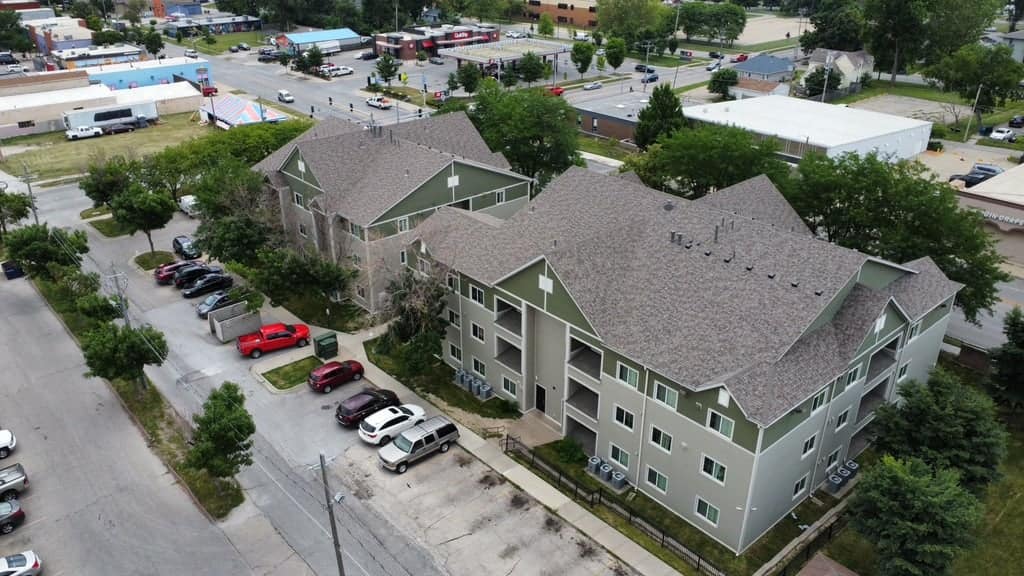
Commercial roofing systems protect valuable assets, employees, inventory, and daily operations. Unlike residential roofs, commercial roofs often cover large areas and contain numerous penetrations, HVAC units, and drainage systems that require ongoing attention.
Ignoring minor damage can allow moisture to enter the roofing system, leading to insulation damage, mold growth, and structural deterioration. Timely commercial roof repair helps maintain building performance while reducing the likelihood of emergency repairs.
The Cost of Waiting Too Long
Delaying repairs often turns manageable issues into larger and more expensive problems. Water intrusion can spread quickly through commercial roofing systems.
- Insulation damage: Wet insulation loses energy efficiency.
- Interior repairs: Leaks can damage ceilings, walls, and equipment.
- Business disruption: Roofing failures may interrupt operations.
- Higher costs: Larger repairs typically require more labor and materials.
Common Signs Your Commercial Roof Needs Repair
Recognizing early warning signs allows property owners to schedule commercial roof repair before significant damage occurs.
Many roofing issues begin subtly and become more visible as they worsen. Regular inspections can help identify these problems before they affect building operations.
Water Stains on Ceilings or Walls
Water stains are often one of the first visible signs of a roofing problem. Even small discoloration spots can indicate moisture intrusion somewhere within the roofing system.
Water may travel significant distances before becoming visible indoors, making professional evaluation important.
- Ceiling stains: Brown or yellow discoloration may indicate leaks.
- Wall damage: Moisture can travel down interior walls.
- Hidden issues: The leak source may not be directly above the stain.
- Progressive damage: Stains often worsen over time if repairs are delayed.
Ponding Water
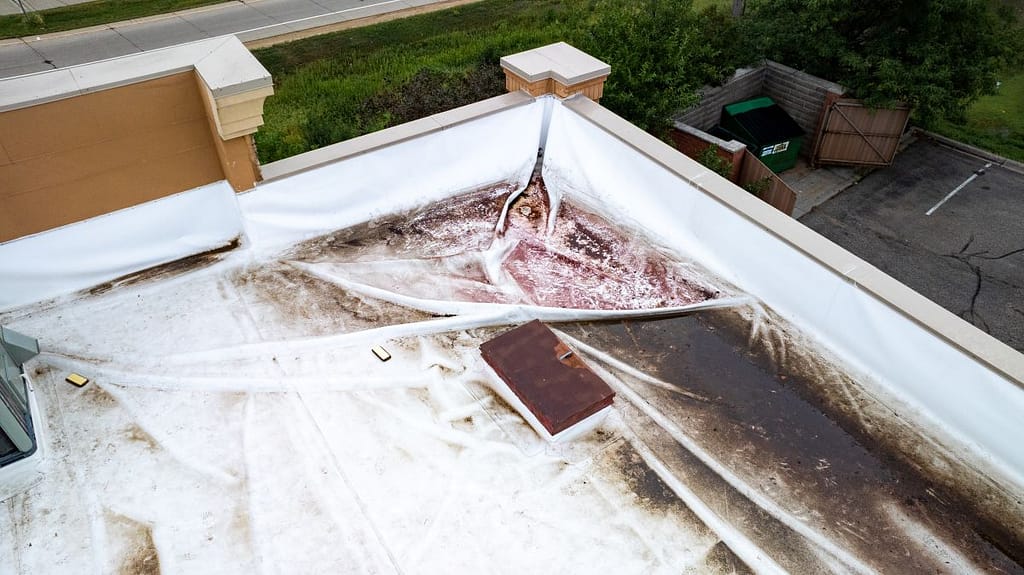
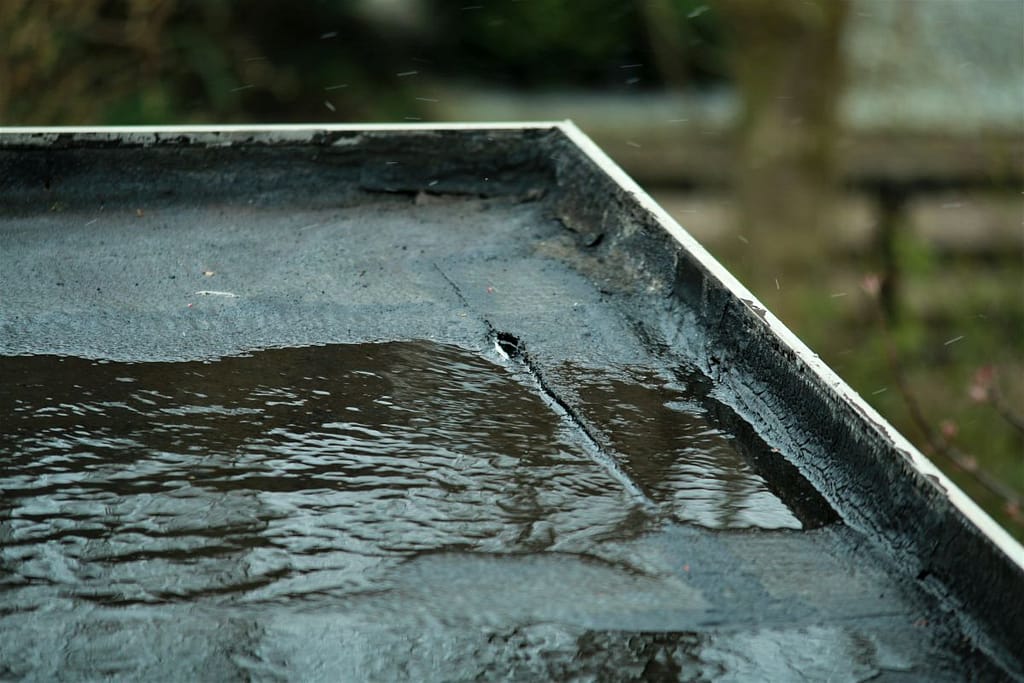
Standing water is a common issue on commercial roofs, particularly flat and low-slope systems. Water that remains on the roof for more than 48 hours should be investigated.
Persistent ponding places additional stress on roofing materials and can accelerate deterioration.
- Drainage issues: Blocked drains often contribute to ponding.
- Membrane stress: Standing water increases wear on roofing materials.
- Leak potential: Ponding raises the risk of water intrusion.
- Structural concerns: Excess weight can strain roof components.
Visible Membrane Damage
Commercial roofing membranes can develop cracks, punctures, or seam failures over time. These issues often occur due to weather exposure, foot traffic, or aging materials.
- Open seams: Allow water to penetrate beneath the membrane.
- Punctures: Often caused by equipment or maintenance activity.
- Cracks and splits: Develop as materials age and expand.
- Surface deterioration: Indicates the roofing system may need attention.
Roofing Problems Commonly Found on Commercial Buildings
Different commercial roofing systems experience different types of damage. Understanding common issues helps property owners identify when commercial roof repair may be necessary.
Flashing Failures
Flashing protects roof transitions, edges, penetrations, and equipment curbs. When flashing fails, water often finds a direct path into the building.
- Loose flashing: Creates openings for moisture intrusion.
- Separated seams: Can develop around rooftop equipment.
- Weather exposure: Wind and temperature changes contribute to deterioration.
- Leak source: Flashing failures are a common cause of roof leaks.
Damaged Roof Penetrations
Commercial roofs frequently contain vents, skylights, HVAC units, and other penetrations. These areas require proper sealing and regular inspection.
- Sealant breakdown: Can allow moisture entry.
- Equipment movement: May stress surrounding roofing materials.
- Aging components: Require periodic maintenance.
- Water intrusion risk: Penetrations are common leak locations.
Drainage System Problems
Commercial roofs depend on proper drainage to prevent standing water and moisture damage.
- Blocked drains: Restrict water flow during storms.
- Clogged scuppers: Cause water backup.
- Damaged downspouts: Reduce drainage efficiency.
- Overflow risks: Can lead to interior leaks and structural issues.
6 Signs It’s Time to Call a Roofing Professional
Some roofing issues require immediate professional attention. If any of the following conditions are present, commercial roof repair should not be delayed.
1. Active Roof Leaks
Leaks indicate that the roofing system has already been compromised. Immediate action helps prevent additional damage.
- Interior water intrusion: Can spread rapidly.
- Building contents at risk: Equipment and inventory may be affected.
- Structural concerns: Water can damage decking and framing.
2. Recurring Roofing Problems
Repeated repairs in the same area often indicate a larger underlying issue.
- Hidden damage: May exist beneath the membrane.
- System failure: Components may be reaching the end of their lifespan.
- Escalating costs: Frequent repairs add up over time.
3. Severe Storm Damage
High winds, hail, and debris can damage commercial roofing systems even when problems are not immediately visible.
- Membrane punctures: Often occur after storms.
- Flashing damage: Wind can loosen roof components.
- Drainage impacts: Debris may block drains and scuppers.
4. Increased Energy Bills
Unexpected increases in heating or cooling costs may indicate roofing problems affecting insulation performance.
- Wet insulation: Reduces thermal efficiency.
- Air leakage: Damaged roofing systems allow energy loss.
- HVAC strain: Systems work harder to maintain temperatures.
5. Visible Sagging
A sagging roof section can indicate trapped moisture or structural deterioration.
- Water accumulation: Adds weight to roofing systems.
- Deck damage: Weakens roof support structures.
- Safety concerns: Requires immediate professional evaluation.
6. Aging Roofing Systems
Even well-maintained roofs eventually require professional attention as materials age.
- Membrane wear: Occurs over decades of exposure.
- Sealant deterioration: Reduces waterproofing effectiveness.
- Preventative planning: Helps avoid unexpected failures.
Preventative Maintenance Helps Reduce Repairs
The best commercial roof repair strategy is often preventing damage before it occurs. Regular maintenance programs help identify issues early and extend roof lifespan.
Property owners who invest in preventative maintenance typically experience fewer emergency repairs and lower long-term roofing costs.
Recommended Maintenance Practices
Regular inspections and maintenance improve roofing performance throughout the year.
- Semi-annual inspections: Spring and fall evaluations are recommended.
- Drain cleaning: Prevents water buildup.
- Debris removal: Reduces moisture retention.
- Sealant inspections: Helps identify vulnerable areas.
Repair vs. Replacement: How to Know the Difference
Not every roofing issue requires a full replacement. In many cases, commercial roof repair can restore performance and extend service life.
However, extensive damage or aging systems may make replacement a more practical long-term investment.
- Localized damage: Often suitable for repair.
- Widespread deterioration: May justify replacement.
- Roof age: Older systems require closer evaluation.
- Lifecycle costs: Long-term value should be considered.
Protect Your Building with Timely Commercial Roof Repair
Commercial roof repair plays a critical role in protecting buildings, occupants, and business operations. Recognizing warning signs early and addressing issues promptly can prevent costly damage while extending the lifespan of the roofing system.
At Heartland, we help commercial property owners in Iowa City and surrounding areas evaluate roofing concerns and identify practical solutions. If your building is showing signs of roof damage, reach out today for a free estimate and learn more about your repair options.

Get Started Today!
From roofing to siding, Heartland Roofing is the team you need to take your home exterior to the next level. All you need to do is reach out! Fill out our contact form or give us a call to get the reliable help that you need.


