

Vertical Siding Installation: 7 Key Steps & Style Ideas
February 03,2026
5 Minute Read
Installing vertical siding is one of the most effective ways to give your home a clean, modern, and visually striking exterior. This siding style features long, vertical panels that emphasize height and add architectural depth to any structure. For homeowners in Waukee and surrounding areas, vertical siding offers both curb appeal and long-term durability when installed correctly.
- Modern design: Vertical panels create a sleek, elegant look that complements many home styles.
- Improved protection: Reduces water intrusion when properly sealed and flashed.
- Durability: Works with a variety of materials, including vinyl, fiber cement, and engineered wood.
Why Homeowners Choose Vertical Siding
Vertical siding has become increasingly popular for both new builds and remodels because it adds a fresh, distinctive appearance that stands out from traditional horizontal lap siding. Its clean lines and geometric appeal suit contemporary homes, farmhouses, and even Craftsman-style designs.
In Waukee and surrounding areas, vertical siding also performs well against heavy rain and snow, as its orientation promotes better runoff and helps prevent trapped moisture. When paired with proper installation techniques, it offers beauty and weather resistance that lasts for decades.
7 Key Steps for Vertical Siding Installation
Installing vertical siding takes precision and planning to ensure proper alignment, moisture protection, and lasting strength. Follow these key steps for a professional-quality result.
1. Inspect and Prepare the Wall Surface
Before starting, inspect your home’s exterior walls for signs of damage, rot, or moisture. Repair any issues and make sure the surface is flat and clean.
A smooth surface helps the siding panels sit evenly, preventing gaps or bulges. This step is especially important for homes in Waukee and surrounding areas, where seasonal expansion and contraction can affect siding alignment.
2. Install a Weather-Resistant Barrier
Once the wall is prepped, apply a weather-resistant barrier such as house wrap or building paper. This layer protects your home’s structure from water infiltration and drafts.
Overlapping seams and sealing edges with construction tape will ensure the barrier performs effectively and provides long-term protection beneath your siding.
3. Attach Furring Strips for Level Support
Furring strips are narrow wooden or metal pieces installed vertically on the wall to create a solid, level surface for your siding panels. These strips also provide space for airflow, which helps reduce moisture buildup.
Fasten the strips securely to wall studs, spacing them evenly, usually 16 to 24 inches apart, depending on the siding manufacturer’s recommendations.
4. Measure and Cut the Siding Panels
Accurate measurements are essential for seamless installation. Measure the height of each wall section, allowing for small gaps at the top and bottom for expansion.
Cut the siding panels carefully using a circular saw with a fine-tooth blade to avoid chipping or cracking. Always double-check measurements before cutting to reduce waste.
5. Install the Starter Strip and Corner Trims
Begin by installing a starter strip at the base of the wall to secure the first row of siding panels. This provides a straight, level foundation for the rest of the installation.
Add corner trims next; these not only provide visual framing but also help protect edges from moisture intrusion. Ensuring a clean alignment here sets the tone for the entire project.
6. Fasten Vertical Panels Securely
Attach the siding panels to the furring strips using corrosion-resistant nails or screws. Start at one corner and work your way across the wall, maintaining consistent spacing and alignment.
Do not overdrive fasteners, panels should be snug but free to expand and contract slightly with temperature changes. Use a level frequently to ensure every panel remains perfectly vertical.
7. Seal Joints and Finish the Details
Once all panels are installed, seal the seams and joints using exterior-grade caulk or trim accessories. This helps prevent water from seeping behind the siding.
Finish by painting or sealing the material if necessary. A well-sealed system provides a polished appearance and ensures long-term protection from the elements.

Popular Materials for Vertical Siding
Vertical siding comes in several materials, each with unique benefits. Homeowners can choose based on appearance, cost, and maintenance preferences.
- Vinyl: Affordable, low-maintenance, and available in many colors.
- Fiber cement: Extremely durable and resistant to fire, pests, and rot.
- Engineered wood: Mimics the look of real wood with improved moisture resistance.
- Metal: Ideal for modern homes, offering sleek aesthetics and longevity.
Each material can be customized to fit your home’s design style and performance needs.
Vertical Siding Style Ideas
Vertical siding can completely transform your home’s look, whether used on the entire exterior or as an accent feature. Here are a few design ideas to inspire your next project.
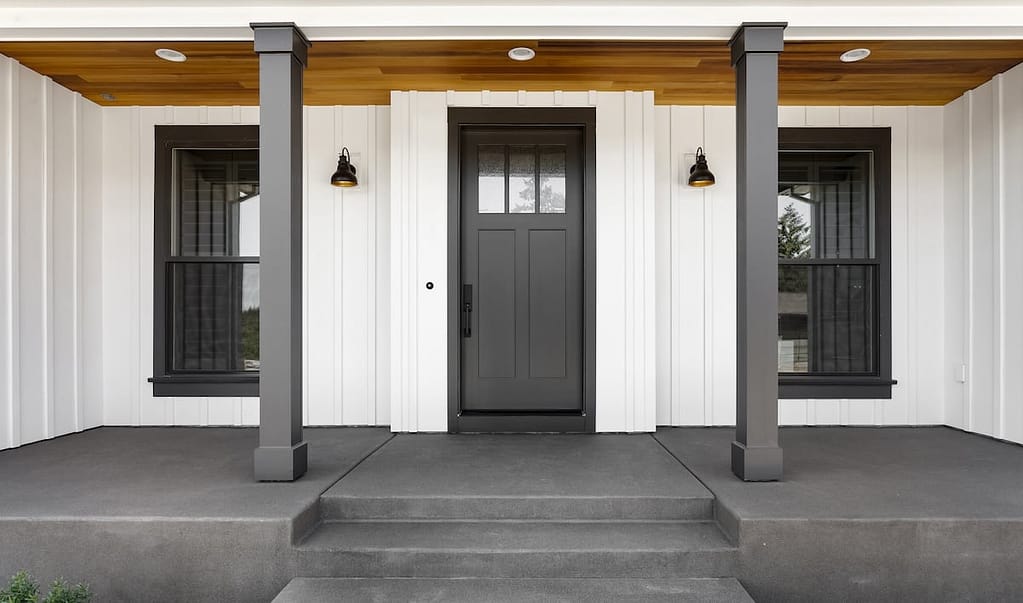
- Modern farmhouse: Pair white or cream vertical panels with black trim for a timeless rural-meets-modern aesthetic.
- Contemporary contrast: Combine vertical metal siding with horizontal fiber cement for dynamic texture and contrast.
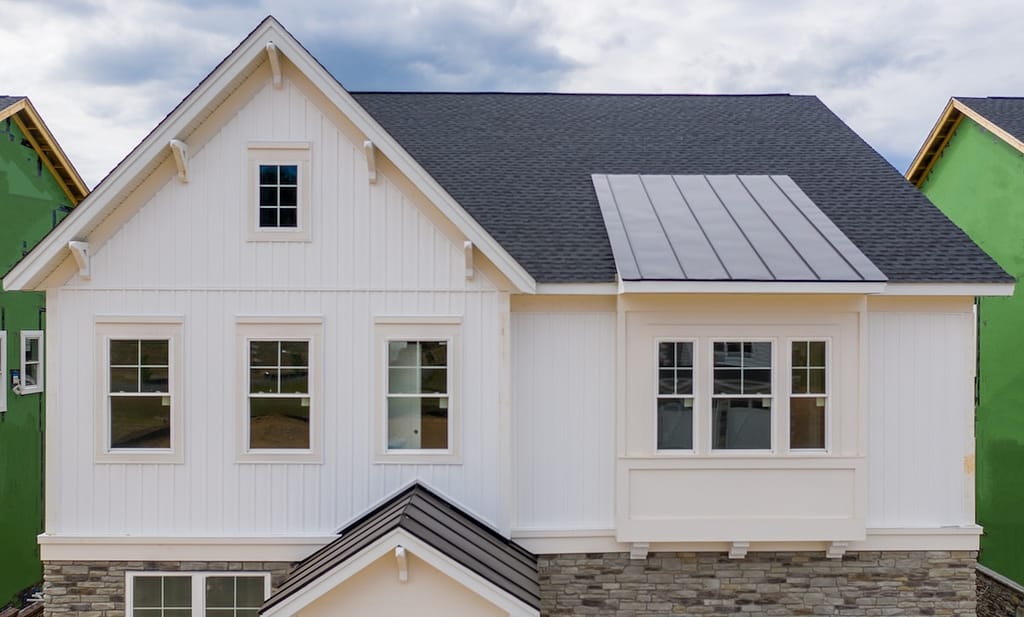
- Classic Craftsman: Use vertical panels on gables or dormers for subtle detail that complements traditional architecture.
- Accent applications: Highlight entryways, garages, or porches with vertical siding to add depth and visual interest.
In Waukee and surrounding areas, these designs not only enhance curb appeal but also provide durable protection against Iowa’s changing climate.
Maintenance Tips for Longevity
To keep your vertical siding looking great for years, follow these maintenance best practices.
- Clean annually: Remove dirt and mildew using mild soap and a soft-bristle brush.
- Inspect joints and caulk: Check for cracks or gaps where moisture can enter.
- Repaint or reseal: For wood or fiber cement, refresh finishes every 5–10 years as needed.
- Avoid high-pressure washing: Gentle cleaning methods preserve the surface finish.
Enhance Your Home With Vertical Siding
Installing vertical siding adds architectural style, durability, and long-term value to your home. From preparation to finishing touches, careful installation ensures your siding performs beautifully and stands the test of time.
Heartland proudly serves homeowners in Waukee and surrounding areas with expert siding guidance and durable design ideas. Contact Heartland today to schedule your free estimate and explore how vertical siding can elevate your home’s exterior style and performance.

Get Started Today!
From roofing to siding, Heartland Roofing is the team you need to take your home exterior to the next level. All you need to do is reach out! Fill out our contact form or give us a call to get the reliable help that you need.


