

How To Insulate An Attic Roof Rafters (6 Key Steps)
December 23,2025
8 Minute Read
Installing proper insulation for ceiling and attic rafters is one of the most effective ways to keep your home comfortable and energy-efficient year-round. Without it, heat escapes through the roof in winter and seeps in during summer, driving up energy bills. Homeowners in Des Moines and surrounding areas can greatly benefit from insulating their attic rafters to improve efficiency and protect their home from seasonal temperature swings.
- Improved comfort: Keeps your home warmer in winter and cooler in summer.
- Energy efficiency: Reduces heating and cooling costs by minimizing heat loss.
- Long-term savings: Proper insulation can lower utility bills and extend your roof’s lifespan.
Why Insulating Your Attic Rafters Matters
Your attic plays a critical role in your home’s energy performance. Without insulation, heat moves freely through the roof, wasting energy and making it difficult to regulate indoor temperatures. Proper insulation creates a thermal barrier that slows heat transfer, keeping your living space comfortable and reducing the strain on your HVAC system.
In Des Moines and surrounding areas, where temperature fluctuations are common, insulating attic rafters can make a noticeable difference in both comfort and energy consumption. Whether you’re renovating or upgrading an older home, investing in quality insulation is one of the smartest home improvements you can make.
Types of Insulation Used for Attic Rafters
Different insulation materials suit different attic layouts, budgets, and climate needs. Understanding the options will help you choose the best one for your home.
Fiberglass Batts
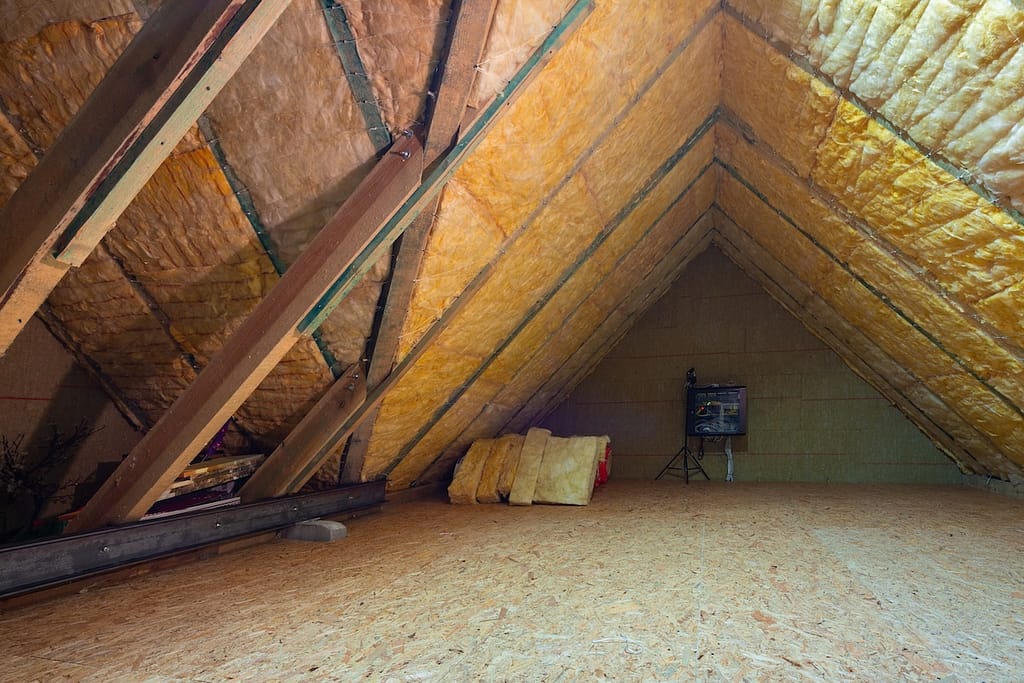
Fiberglass insulation is one of the most popular and cost-effective options available. It comes in pre-cut batts designed to fit standard rafter spacing.
Fiberglass is lightweight, fire-resistant, and provides good thermal performance when properly installed. For homeowners in Des Moines and surrounding areas, fiberglass remains a dependable choice that balances affordability and effectiveness.
Rigid Foam Boards
Rigid foam boards provide a high R-value per inch, making them excellent for limited spaces. They create a continuous insulation layer that helps reduce thermal bridging and air leaks.
Foam boards are also resistant to moisture and ideal for climates with high humidity or temperature extremes. While slightly more expensive upfront, they offer excellent durability and long-term efficiency.
Spray Foam Insulation
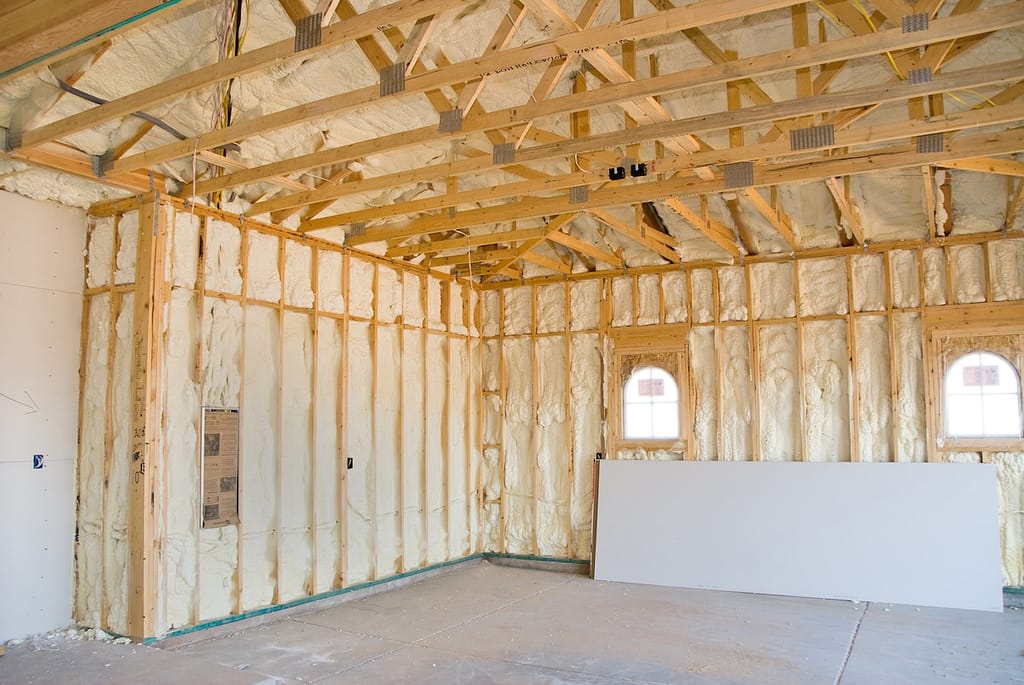
Spray foam offers superior air sealing and thermal performance by expanding into gaps and irregular spaces. It creates a seamless barrier that prevents air leaks and moisture infiltration.
Although more expensive than fiberglass or foam boards, spray foam provides the best energy efficiency. It’s particularly effective for complex attic designs or older homes where rafters may not be evenly spaced.
Radiant Barrier Foil
Radiant barrier foil is a highly effective way to reflect heat away from your attic space, preventing it from building up during warmer months. It works best when installed alongside traditional insulation, acting as a powerful tool to further reduce cooling costs. If you want to learn more about how this material can enhance your home’s energy efficiency, take a look at our guide on attic foil to see how it can be integrated into your existing insulation system.
6 Key Steps To Insulate Attic Roof Rafters
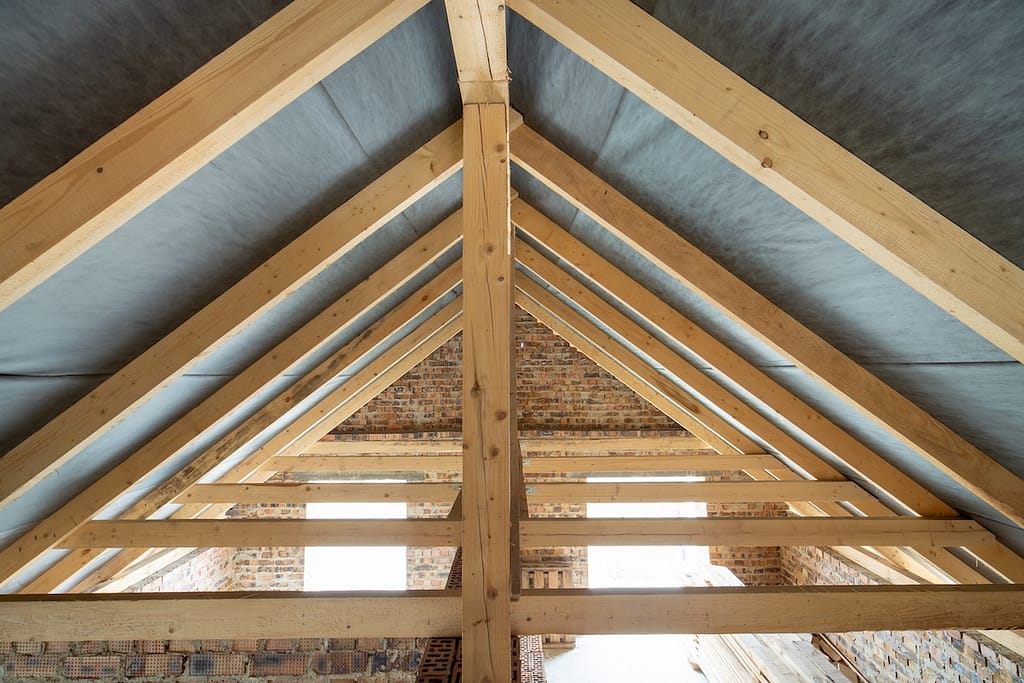
Proper insulation installation requires preparation, precision, and attention to detail. Follow these six essential steps to achieve professional-level results and maximum energy savings.
- Inspect the Roof and Rafters: Begin by checking for signs of leaks, rot, or structural damage. Repair any issues before starting. Insulating over damaged areas can trap moisture and worsen existing problems. Ensuring your attic is dry and stable sets the foundation for an effective insulation job.
- Measure Rafter Spacing and Depth: Accurate measurements are crucial for cutting insulation materials to fit snugly between rafters. Most standard rafters are spaced 16 or 24 inches apart. Measure both the width and depth so you can choose insulation that fits properly without compression.
- Choose the Right Insulation Material: Consider your attic’s layout, climate, and budget. For homeowners in West Des Moines and surrounding areas, fiberglass or foam board insulation works well for most homes, while spray foam offers top-tier performance for irregular or hard-to-reach spaces.
- Install Ventilation Baffles: Before placing insulation, install ventilation baffles between rafters to maintain airflow from soffit to ridge vents. This step prevents moisture buildup, which can lead to mold, mildew, and wood rot. Proper ventilation ensures your roof structure stays healthy year-round.
- Fit Insulation Between Rafters: Cut insulation to fit tightly between rafters without compressing it. Use a utility knife for fiberglass batts or a saw for foam boards. When using spray foam, apply evenly and allow it to expand naturally. Gaps or compression can reduce the insulation’s effectiveness and create cold spots.
- Seal and Protect With a Vapor Barrier: Once the insulation is in place, install a vapor barrier to block moisture from entering the insulation layer. The vapor barrier should face the heated side of your home. In Des Moines and surrounding areas, this step is particularly important to prevent condensation during cold, damp winters.
Additional Tips for a Successful Installation
Proper planning ensures your attic insulation performs as intended. Here are a few key details to keep in mind as you work through the process.
Maintain Proper Ventilation
Even with insulation, airflow is essential for preventing moisture buildup and maintaining roof integrity. Ensure soffit and ridge vents remain clear during installation. Adequate ventilation reduces condensation risk and extends both insulation and roof life. To optimize this airflow, understanding the specific functions of different roof vents ensures you choose the right solution for your home’s needs.
Avoid Over-Insulating
Adding too much insulation can restrict airflow and trap moisture. Always aim for the recommended R-value for your region—typically R-38 to R-49 for attics in Iowa. Striking the right balance between insulation and ventilation keeps your roof healthy and efficient.
Insulate the Attic Hatch or Access Door
Many homeowners overlook attic access points, but these can be major sources of heat loss. Apply insulation to the hatch and add weatherstripping around the edges to create an airtight seal. This simple step helps maintain consistent indoor temperatures.
Common Mistakes To Avoid
Even a small mistake during installation can reduce your insulation’s performance. Avoid these common errors to ensure lasting results.
- Blocking ventilation channels: Restricting airflow leads to moisture problems and potential roof damage.
- Leaving gaps or compressing insulation: Gaps create cold spots, while compression reduces R-value.
- Skipping the vapor barrier: Without a proper barrier, condensation can accumulate inside the insulation.
- Ignoring safety equipment: Always wear gloves, goggles, and a mask when working with fiberglass or spray foam.
Taking time to do the job correctly ensures your investment pays off with better comfort and energy efficiency.
Benefits of Proper Attic Rafter Insulation
When installed properly, insulation provides lasting benefits that improve your home’s comfort, efficiency, and value.
Lower Energy Bills
Insulated rafters reduce heat transfer between your attic and living spaces, lowering energy use. You’ll notice more consistent indoor temperatures and smaller monthly utility bills.
Enhanced Comfort Year-Round
Insulation prevents cold drafts and excessive heat, making every room in your home more comfortable no matter the season. For homeowners in Des Moines and surrounding areas, this improvement is especially noticeable during extreme temperature swings.
Longer Roof Lifespan
Proper insulation reduces the risk of ice dams and moisture buildup, both of which can shorten your roof’s life. A well-insulated attic helps regulate roof temperature, keeping your materials in better shape over time.
Why Professional Installation Matters
While it’s possible to install attic insulation on your own, working with a professional contractor ensures that materials are fitted properly and ventilation requirements are met. Roofing and insulation professionals understand how to balance airflow, moisture control, and energy efficiency for optimal performance.
By partnering with a trusted roofing expert in Des Moines and surrounding areas, you’ll get expert guidance, correct installation, and long-lasting results that protect your home through every season.
Keep Your Home Efficient With Heartland
Installing proper insulation for ceiling and attic rafters is one of the best investments you can make in your home. It not only improves comfort but also enhances energy efficiency and roof performance.
Whether you are updating a standard attic or require pitched roof insulation between rafters, the right approach ensures your system works effectively. Heartland proudly serves homeowners in Des Moines and surrounding areas with professional insulation and roofing services designed to handle Iowa’s unique weather conditions. Our experienced team delivers reliable results that keep your home comfortable year-round.
Contact Heartland today for a free estimate and find out how attic roof rafter insulation can make your home more efficient, durable, and comfortable for decades to come.

Get Started Today!
From roofing to siding, Heartland Roofing is the team you need to take your home exterior to the next level. All you need to do is reach out! Fill out our contact form or give us a call to get the reliable help that you need.


