

7 Best Types Of Roof Vents To Consider For Your Home
November 27,2025
7 Minute Read
When it comes to maintaining ahealthy roofing system, roof vents play an essential role. They help regulate temperature, reduce moisture buildup, and extend the life of your roof. For homeowners in Ames and surrounding areas, understanding the different types of roof vents can help you choose the right system to keep your home comfortable and energy-efficient year-round.
- Proper ventilation: Helps balance attic temperatures and prevents excess moisture that can damage your roof.
- Energy savings: Reduces the load on your HVAC system, especially during hot summers and cold winters.
- Longer roof lifespan: Keeps roofing materials in good condition by minimizing temperature-related wear and tear.
Why Roof Ventilation Matters
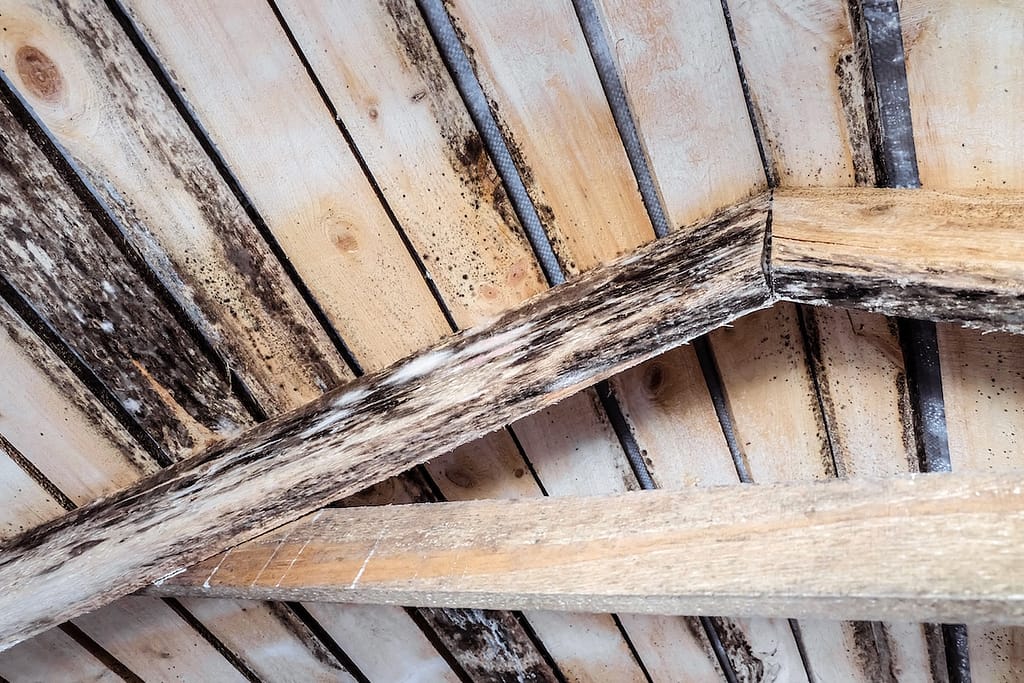
Before exploring vent types, it’s important to understand why roof ventilation is critical for every home. Without proper airflow, attics can trap heat and moisture, leading to mold growth, warped decking, and even premature roof failure.
Homeowners in Ames and surrounding areas often face fluctuating temperatures throughout the year, making consistent attic airflow vital. A well-ventilated roof keeps your attic cool in summer and dry in winter, improving comfort and energy efficiency.
Key Types of Roof Vents to Choose From
There are several roof vent designs, each with its unique function and installation method. Choosing the right one depends on your roofing structure, attic size, and local climate conditions.
Ridge Vents
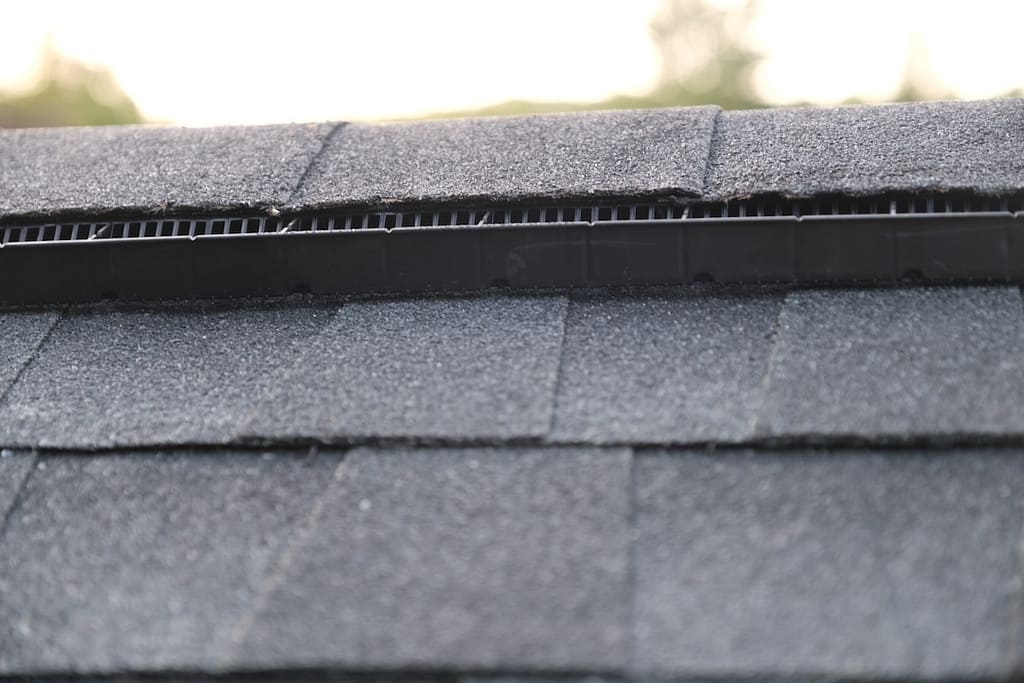
Ridge vents run along the peak of your roof, offering one of the most effective and visually subtle ventilation solutions.
They allow warm, moist air to escape evenly from the attic. When paired with soffit vents, ridge vents create a balanced airflow system. Many roofing contractors recommend them for their low-profile design and efficiency.
Soffit Vents
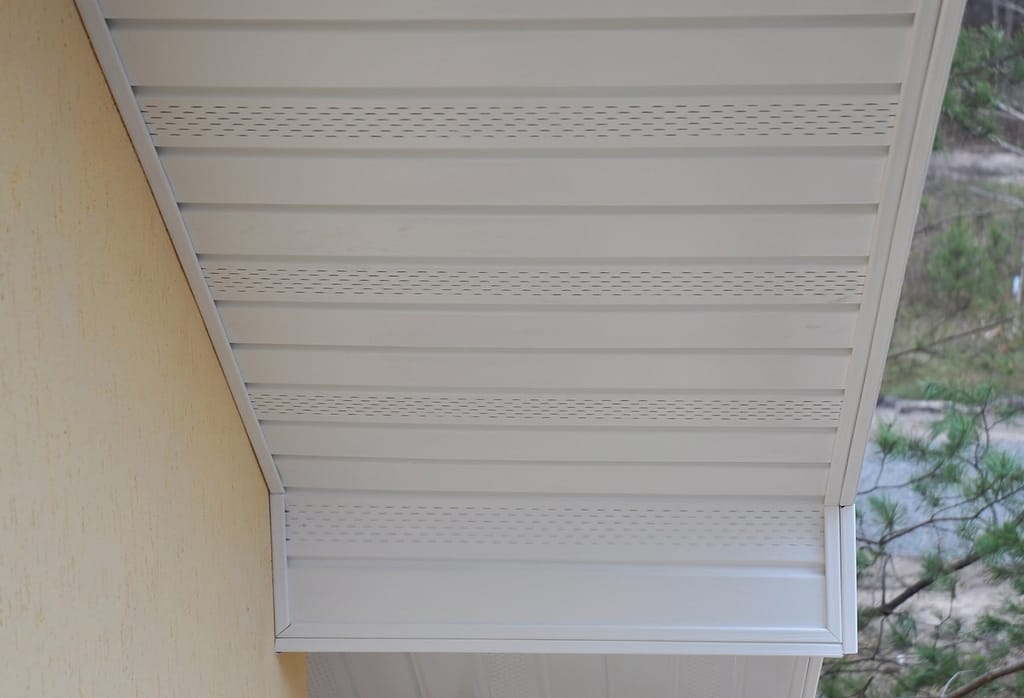
Soffit vents are installed under the eaves of your roof and allow cool air to enter the attic.
These vents work in harmony with ridge vents or other exhaust vents to maintain proper air circulation. They are particularly beneficial in climates that experience both hot summers and cold winters, like Ames and surrounding areas.
Box Vents
Box vents, also known as static vents, are small metal boxes that sit on top of the roof.
They rely on natural convection to let hot air escape but do not use mechanical assistance. For larger attics, multiple box vents are often needed to achieve adequate ventilation.
7 Common Roof Vent Options Explained
Below is a closer look at the most common types of roof vents and what makes each unique for homeowners.
- Ridge Vents: Installed along the peak of the roof, these vents offer continuous ventilation across the attic. They are discreet, durable, and ideal for modern roofing systems.
- Box (Static) Vents: These vents are placed near the roof ridge and allow hot air to exit naturally. They work best on smaller roofs or as a supplemental venting system.
- Gable Vents: Located on the sides of your home’s gable ends, they allow cross-ventilation through the attic. Gable vents can be made from wood, vinyl, or metal and are often combined with other vent types for maximum effect.
- Power Vents: These are motorized vents that actively pull hot air out of the attic. They’re excellent for larger homes or those with limited natural airflow but require electricity or solar power to operate.
- Turbine Vents: Also known as whirlybirds, these vents spin with the wind to draw hot air out of the attic. They’re low-maintenance and effective in windy climates but can be less efficient on calm days.
- Soffit Vents: Installed under the eaves, soffit vents bring in cool air that helps push warm air out through the exhaust vents. They’re essential for balanced ventilation systems.
- Solar Vents: Powered by the sun, solar vents combine the benefits of power vents with energy efficiency. They automatically adjust airflow based on attic temperature and sunlight exposure.
How To Choose The Right Roof Vent
Not every roof vent is ideal for every home. The right choice depends on your roof’s slope, attic size, and local weather conditions.
Consider Your Roof Design
Different roof structures support different ventilation systems.
- Pitched roofs: Ridge and soffit vents are typically the best combination.
- Flat roofs: May require box vents or mechanical systems for optimal airflow.
- Metal roofing systems: Often use specialized venting solutions to handle expansion and contraction.
Evaluate Your Attic Space
The size of your attic affects how much ventilation you need. A larger attic may require multiple vents or a combination of intake and exhaust systems to maintain balance.
- Rule of thumb: One square foot of ventilation for every 150 square feet of attic space is a common guideline.
Account for Local Weather Conditions
In Ames and surrounding areas, homes face a wide range of weather—humid summers and icy winters. Proper ventilation helps manage both heat buildup and attic condensation issues.
- Cold climates: Adequate airflow prevents ice dams from forming on the roof’s edges.
- Warm climates: Reduces energy costs by keeping attic temperatures lower.

Common Signs of Poor Roof Ventilation
Knowing the symptoms of poor roof ventilation can help you act before serious damage occurs.
High Energy Bills
When your attic traps hot air, your HVAC system works harder to cool the house, leading to higher utility costs.
Mold or Mildew Growth
Moisture buildup can create ideal conditions for mold growth, which can affect both your home’s structure and indoor air quality.
Ice Dams in Winter
Improper airflow allows heat to escape into the attic, melting snow on the roof that refreezes near the gutters. Over time, ice dams can damage shingles and gutters.
Maintenance Tips for Roof Vents
Once installed, roof vents require regular maintenance to function efficiently.
- Routine inspections: Check vents twice a year for blockages or damage.
- Clean debris: Remove leaves, dust, or insulation that may clog the openings.
- Professional inspections: Have your roofing contractor evaluate your ventilation system during annual roof maintenance visits.
- Weatherproofing: Ensure vent seals remain intact to prevent leaks during storms.
Homeowners in Ames and surrounding areas can benefit from having local professionals inspect their vents seasonally. This ensures your system stays efficient and your attic remains protected from excess heat and moisture.
The Benefits of Upgrading Your Roof Ventilation
Modern ventilation systems provide noticeable advantages for both comfort and roof longevity.
Improved Indoor Air Quality
Better airflow removes trapped heat, pollutants, and humidity, making your home more comfortable.
Reduced Roof Damage
By preventing moisture buildup, upgraded vents protect shingles, underlayment, and roof decking from warping or rot.
Enhanced Energy Efficiency
Efficient roof vents help maintain consistent indoor temperatures, lowering energy consumption during extreme weather.
Upgrading your roof’s ventilation can also increase your property’s resale value. Buyers appreciate homes that are energy-efficient and well-maintained, especially in competitive real estate markets like Ames and surrounding areas.
Professional Installation Makes a Difference
Even the best roof vents won’t perform properly without correct installation.
A professional roofing contractor ensures your vent placement, attic configuration, and intake-exhaust balance are designed for maximum efficiency. Poor installation can lead to leaks, uneven airflow, and unnecessary wear on your roofing materials.
Always choose a certified roofing expert who understands local building codes and Iowa’s climate challenges, especially when assessing and performing wind damage repair after severe weather events.
Keep Your Home Comfortable With Heartland
Roof vents are more than a finishing touch—they’re a crucial part of your home’s ventilation system that affects comfort, energy use, and roof durability. Whether you’re looking to add new vents or upgrade an outdated system, Heartland is here to help homeowners in Ames and surrounding areas make the best choice for their roofs.
At Heartland, we pride ourselves on delivering reliable roofing solutions backed by experience and care. Contact our team today to schedule your free estimate and discover how the right roof vents can protect your home for years to come.

Get Started Today!
From roofing to siding, Heartland Roofing is the team you need to take your home exterior to the next level. All you need to do is reach out! Fill out our contact form or give us a call to get the reliable help that you need.


