

TPO Roofing: Is It The Right Choice For Your Property?
November 25,2025
7 Minute Read
If you’re looking for a durable and cost-effective commercial roofing system, TPO roofing might be exactly what your property needs. Thermoplastic Polyolefin (TPO) has become one of the most popular choices among business owners thanks to its energy efficiency, easy installation, and long-lasting performance. For commercial properties in West Des Moines and surrounding areas, TPO offers an excellent balance between quality and affordability.
- Cost-effective protection: TPO provides strong resistance to UV rays, heat, and punctures without breaking your maintenance budget.
- Energy savings: Its reflective surface helps reduce cooling costs for large commercial buildings.
- Low maintenance: Requires minimal upkeep, lowering long-term operational expenses.
What Is TPO Roofing?
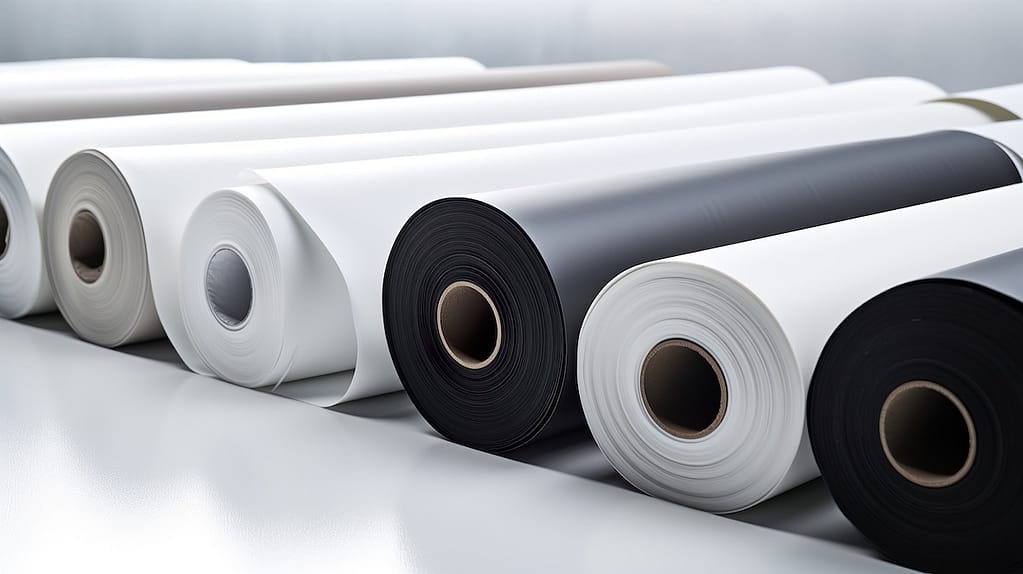
TPO roofing is a single-ply membrane made of synthetic materials and reinforcing scrim. It’s typically installed in large rolls that are mechanically attached, adhered, or heat-welded to the roof deck.
This membrane is designed to handle everything from extreme temperature swings to UV exposure. Commercial property owners in West Des Moines and surrounding areas appreciate TPO’s ability to protect their buildings year-round, even during Iowa’s unpredictable weather patterns.
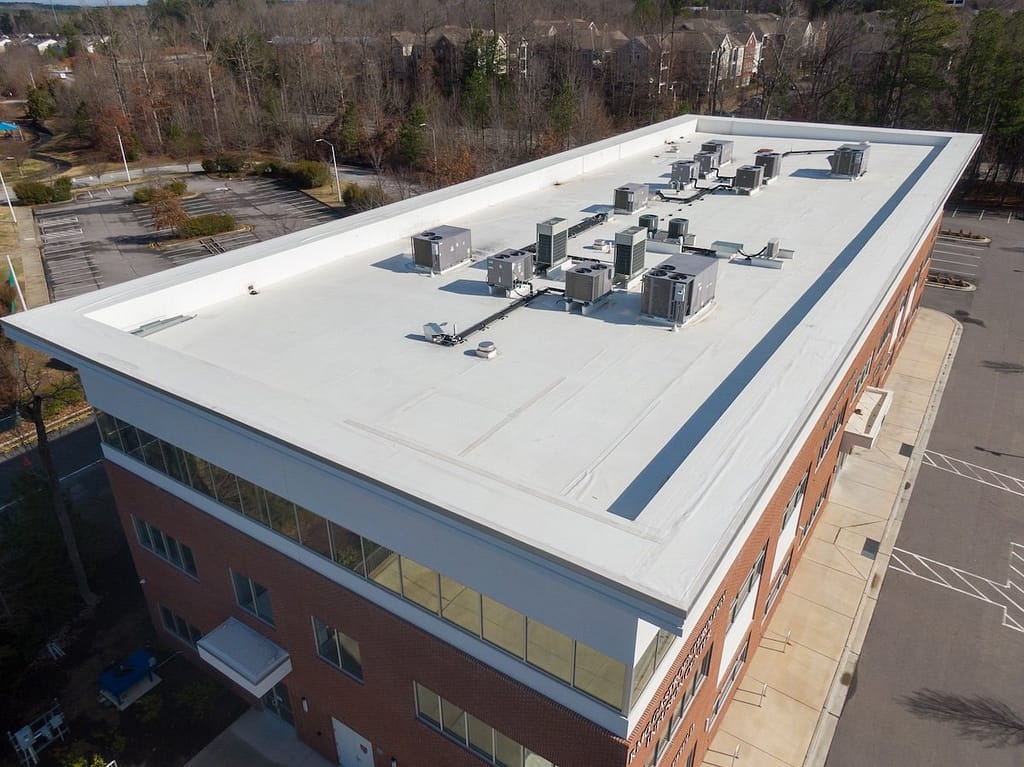
Why TPO Roofing Has Become So Popular
TPO roofing systems have steadily gained traction over the past two decades—and for good reason. They combine durability, versatility, and energy efficiency into one affordable package.
Cost-Effective Performance
Compared to other commercial roofing materials, TPO is budget-friendly while still providing excellent protection against leaks and damage. It offers a lower upfront cost than PVC or EPDM, making it ideal for business owners who want long-term reliability without overspending.
Superior Energy Efficiency
TPO’s bright white surface reflects sunlight instead of absorbing it. This helps reduce indoor heat gain, which can significantly lower air conditioning costs during hot summer months. For flat-roof buildings in West Des Moines and surrounding areas, this energy efficiency can add up to thousands in annual savings.
Easy Installation and Repair
Because TPO membranes are lightweight and flexible, they’re faster and easier to install than many other commercial roofing materials. Fewer seams also mean fewer potential leak points, which reduces maintenance needs over time.
4 Key Benefits of TPO Roofing for Commercial Buildings
Here are four major reasons why property owners and managers are choosing TPO roofing for their commercial facilities.
- Exceptional Weather Resistance
TPO membranes are engineered to handle harsh weather conditions, from blazing summer heat to freezing winter temperatures. Their flexibility prevents cracking and splitting, while their chemical resistance protects against grease, oils, and pollutants commonly found on commercial roofs. - Energy Savings and Efficiency
TPO’s reflective surface keeps buildings cooler by deflecting UV rays, helping reduce energy bills and HVAC strain. This makes it a smart choice for warehouses, office buildings, and retail centers across West Des Moines and surrounding areas where cooling costs can spike during warmer months. - Long-Term Durability
When installed by an experienced roofing contractor, a TPO roof can last 20–30 years with minimal issues. Its puncture and tear resistance make it ideal for roofs with regular foot traffic, like those with HVAC units or service equipment. - Sustainability and Environmental Benefits
Many TPO products are 100% recyclable and meet ENERGY STAR® requirements. If sustainability is part of your business model, TPO supports eco-friendly building goals while improving operational efficiency.
Comparing TPO to Other Commercial Roofing Options
Choosing the right roof involves comparing materials based on performance, maintenance, and cost. Here’s how TPO stacks up against two common alternatives:
TPO vs. EPDM
EPDM (rubber roofing) has been a staple in commercial roofing for decades. It’s durable and reliable but tends to absorb more heat because of its dark surface. TPO, on the other hand, reflects sunlight, making it more energy efficient for modern buildings.
TPO vs. PVC
PVC offers excellent chemical resistance and longevity but typically comes at a higher price. TPO delivers comparable performance for a lower cost, making it a great value for property owners looking to maximize ROI.
For businesses in West Des Moines and surrounding areas, TPO offers the perfect mix of affordability and performance—especially for flat or low-slope commercial roofs. However, determining the absolute best fit for your commercial property requires assessing all durable options; you must understand the pros and cons of all available flat roof materials.
Common Applications for TPO Roofing
TPO roofing can be installed on a wide variety of commercial properties.
- Office buildings: Provides clean, professional aesthetics with long-term durability.
- Retail centers: Reflective membranes help keep interiors cool and comfortable.
- Warehouses: Protects against leaks and reduces HVAC load in large spaces.
- Restaurants and food facilities: Resists grease, chemicals, and heat effectively.
Because it’s lightweight, TPO can often be installed directly over existing roofing materials, saving on tear-off and disposal costs.
Installation Methods for TPO Roofing
The installation method plays a major role in the system’s overall performance and longevity.
Mechanically Attached
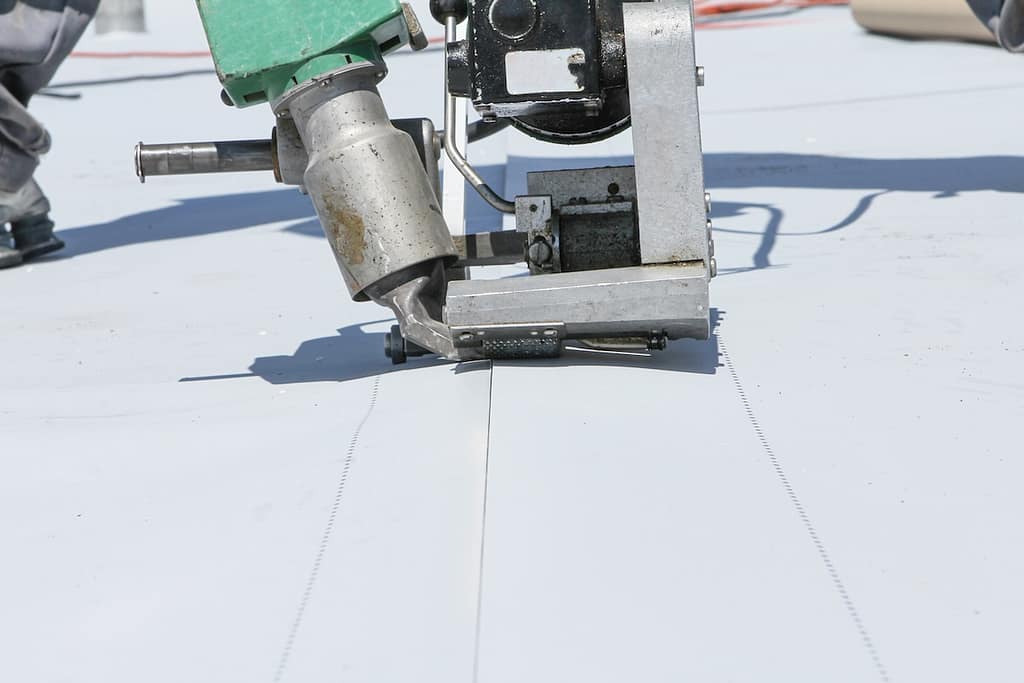
Sheets are fastened to the roof deck using screws and plates, then seams are heat-welded for a watertight seal. This is one of the most common installation methods.
Fully Adhered
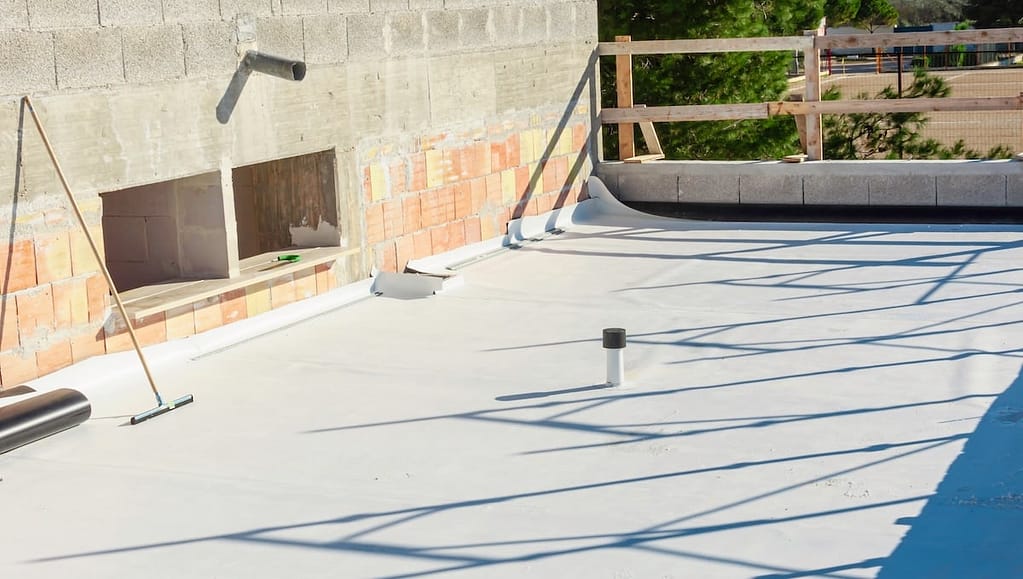
TPO membranes are glued directly to the insulation layer, offering enhanced wind resistance and a smooth appearance.
Ballasted Systems
Ballasted installations use gravel or pavers to hold the membrane in place. While less common, they’re cost-effective for large, flat roof areas.
Working with a qualified roofing contractor in West Des Moines and surrounding areas ensures your TPO system is installed correctly and meets manufacturer warranty requirements.
Common Maintenance Tips for TPO Roofs
While TPO requires less maintenance than other materials, regular inspections still help extend its lifespan.
- Clean debris: Remove dirt, leaves, and standing water from the surface.
- Inspect seams: Check heat-welded joints annually for signs of separation or wear.
- Monitor drains: Ensure roof drains and gutters remain unclogged to prevent pooling.
- Schedule professional inspections: Partner with a commercial roofing expert at least twice a year for a full evaluation.
Routine maintenance not only protects your investment but also keeps warranty coverage valid.
Potential Drawbacks of TPO Roofing
Though TPO is an excellent option for many commercial buildings, it’s not without limitations.
Shorter Track Record
Compared to older systems like EPDM or PVC, TPO is relatively new. While advancements have improved performance, longevity data continues to evolve.
Variable Quality Between Brands
Not all TPO membranes are created equal. Cheaper versions may have weaker seams or lower UV resistance. Always work with reputable manufacturers and certified contractors.
Vulnerable to Poor Installation
Improper seam welding or fastening can compromise the roof’s integrity. That’s why professional installation is critical for long-term reliability.
How TPO Supports Business Goals
For commercial property owners, every decision affects long-term operations, costs, and tenant satisfaction. TPO aligns well with business objectives by providing measurable financial and environmental benefits.
- Lower operating costs: Reduces monthly energy bills through heat reflection.
- Less maintenance: Minimizes repairs, saving time and money over the roof’s lifespan.
- Improved sustainability: Meets many green building certification standards.
- Enhanced tenant comfort: Keeps interior spaces cooler and more consistent in temperature.
In competitive markets like West Des Moines and surrounding areas, these advantages can improve property value and make your building more appealing to tenants.
Why Professional Installation Matters
Because TPO relies on heat-welded seams and precision techniques, installation should only be handled by certified commercial roofing contractors.
Professional roofers ensure your TPO system meets local building codes, passes warranty inspections, and performs reliably in Iowa’s variable climate. A poorly installed TPO roof may develop leaks or seam failures—issues that are easily avoided when working with experts.
Trust Heartland for Commercial Roofing Excellence
TPO roofing continues to be one of the best investments for commercial property owners who want a balance of durability, efficiency, and cost savings. Whether you manage an office building, retail center, or industrial facility, TPO offers lasting protection and performance tailored to your needs.
Heartland proudly serves businesses in West Des Moines and surrounding areas with top-quality commercial roofing solutions. Our experienced team specializes in TPO installation, repair, and maintenance designed to help you get the most out of your investment.
Contact Heartland today to schedule your free commercial roofing estimate and find out if TPO roofing is the right choice for your property.

Get Started Today!
From roofing to siding, Heartland Roofing is the team you need to take your home exterior to the next level. All you need to do is reach out! Fill out our contact form or give us a call to get the reliable help that you need.


