
Minimum Slope For Metal Roof: 4 Reasons To Consider
November 13,2025
11 Minute Read
Understanding the minimum slope for metal roof systems is key to ensuring proper drainage, performance, and longevity. The slope, or pitch, determines how efficiently water, snow, and debris move off your roof. For homeowners in Cedar Rapids and surrounding areas, knowing the right slope can prevent costly leaks and improve your roof’s overall efficiency.
- Water drainage: The slope allows rain and melted snow to run off efficiently, reducing pooling and corrosion risks.
- Roof longevity: Proper slope supports long-term durability by preventing standing water and structural stress.
- Energy efficiency: A well-designed slope enhances ventilation and heat reflection, helping lower energy bills.
What Is Roof Slope and Why It Matters
The slope of your roof is the ratio between its vertical rise and horizontal run, typically expressed as “X-in-12.” For example, a 4:12 slope means the roof rises four inches for every twelve inches of horizontal distance.
This measurement directly affects how your roof performs under various weather conditions. Metal roofs require specific slopes to ensure water runs off properly and doesn’t seep between seams or panels. In regions like Cedar Rapids and surrounding areas, where snow and rainfall can fluctuate throughout the year, an incorrect slope could lead to drainage issues, leaks, or premature wear.
The Minimum Slope Requirements for Metal Roofs
The minimum slope for a metal roof depends on the type of panel system used and whether it has exposed or concealed fasteners.
Exposed Fastener Metal Roofs
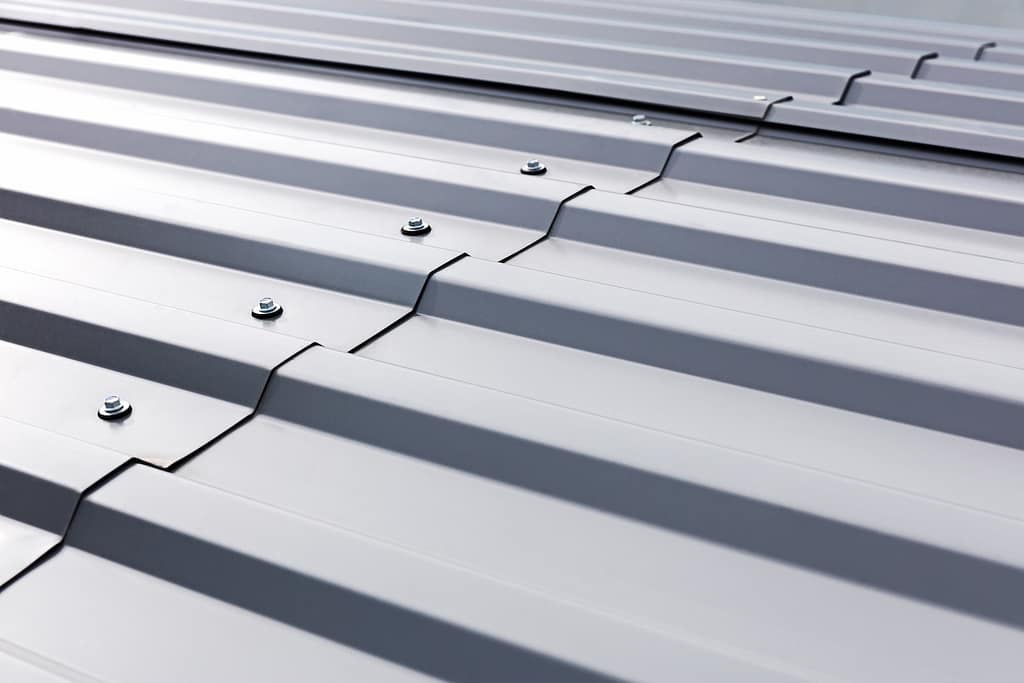
Exposed fastener systems, such as corrugated panels, typically require a minimum slope of 3:12. This helps prevent water from entering the seams or screw holes. Because the fasteners are visible and penetrate the panels, a steeper slope helps water shed quickly.
Standing Seam Metal Roofs
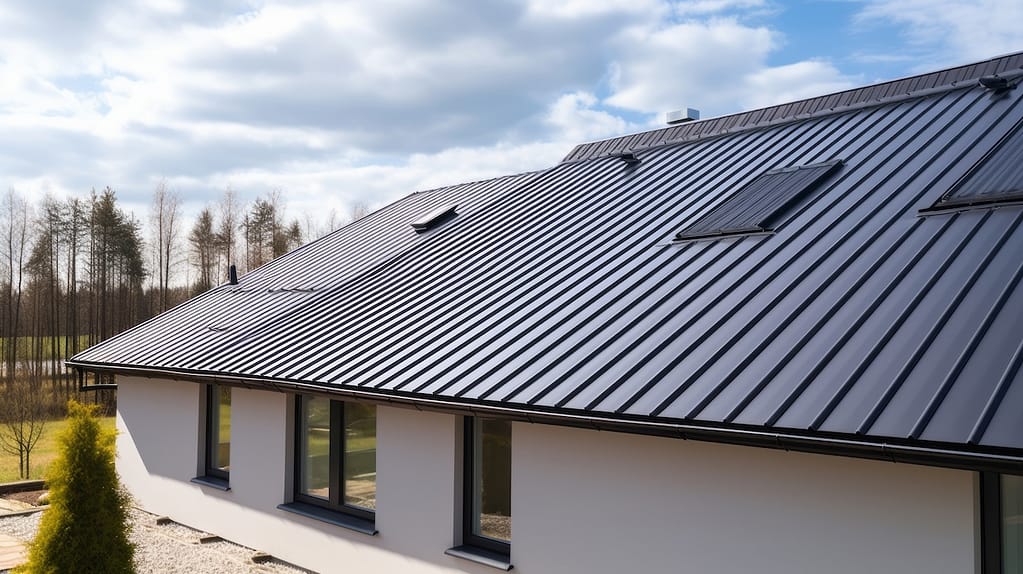
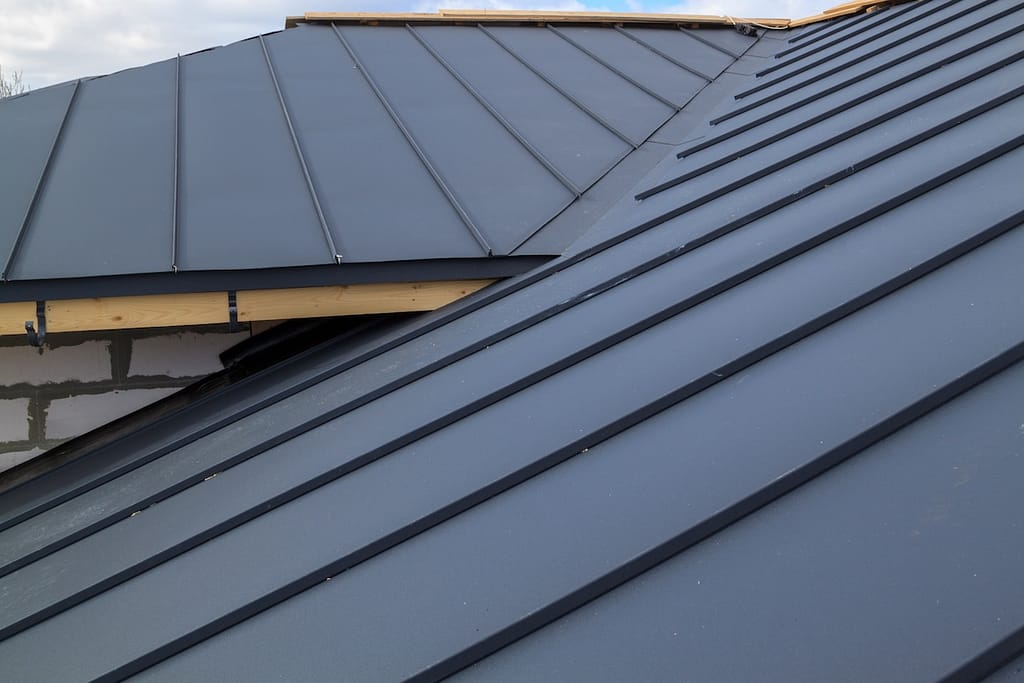
Standing seam roofs use concealed fasteners and interlocking panels, allowing them to perform well on lower slopes. Some designs can function effectively with a minimum slope of ¼:12, though most professionals recommend at least ½:12 to ensure reliability.
For homes in Cedar Rapids and surrounding areas, standing seam systems are often preferred for their clean look, low maintenance, and superior waterproofing.
Architectural vs. Structural Panels
Architectural panels are typically used on steep slopes (above 3:12) and rely on underlayment for waterproofing. Structural panels, on the other hand, can handle lower slopes and are designed to provide complete weather resistance without relying solely on underlayment.
4 Reasons To Consider Your Roof’s Slope Carefully
Choosing the right slope impacts every aspect of your roof’s performance, from water drainage to energy efficiency. Here are four key reasons to give it serious thought before installation or replacement.
- Better Water Drainage
Metal roofs are known for their excellent water-shedding capabilities, but only when installed at an appropriate pitch. A roof with too little slope can allow water to pool, which increases the risk of leaks and corrosion over time. In heavy rainfall areas like Cedar Rapids and surrounding areas, maintaining adequate slope ensures water flows away quickly, keeping your home dry and protected. - Improved Longevity and Durability
The slope affects how well your roof stands up to environmental stress. Steeper slopes minimize the chance of debris accumulation and ice dam formation. On lower-slope roofs, trapped moisture can accelerate metal corrosion and degrade sealants. Choosing the right slope not only extends your roof’s lifespan but also reduces the frequency of maintenance. - Energy Efficiency and Ventilation
A roof with the correct slope allows for proper airflow between panels and the attic, improving ventilation and temperature control. This can lower energy costs by reducing heat buildup in summer and improving insulation efficiency in winter. Metal roofs with proper slope and reflective coatings are especially effective for energy-conscious homeowners. - Design Flexibility and Aesthetic Appeal
The roof slope plays a major role in your home’s visual style. Steeper slopes offer a traditional, prominent look, while low-slope metal roofs provide a sleek, modern appearance. Adjusting the slope allows homeowners in Cedar Rapids and surrounding areas to match both architectural preferences and practical performance needs.
How Roof Slope Affects Replacement Planning
Roof slope plays an important role in determining not only material performance but also when a roof should be replaced. Steeper roofs tend to shed water and debris more effectively, while lower slopes may experience more wear over time.
- Drainage impact: Lower slopes can hold moisture longer, increasing the risk of deterioration.
- Inspection difficulty: Steeper roofs may hide damage that requires professional evaluation.
- Material limitations: Some roofing systems perform better at specific slopes.
- Replacement urgency: Improper slope can accelerate wear and require earlier replacement.
Understanding slope helps homeowners make better decisions about timing and material selection.
The Role of Ventilation in Roof Lifespan
Proper attic ventilation is one of the most overlooked factors when planning a roof replacement. Even high-quality materials can fail early if airflow is not properly managed.
- Moisture control: Prevents condensation that can damage decking and insulation.
- Temperature balance: Reduces heat buildup during summer months.
- Shingle performance: Helps roofing materials age more evenly.
- Energy efficiency: Supports lower heating and cooling costs.
Including ventilation upgrades during replacement can significantly extend the life of your roof.
Common Problems With Incorrect Roof Slopes
Installing a metal roof without the right slope can lead to costly and preventable problems.
Water Ponding
When water collects instead of draining off, it can seep into seams, weaken the underlayment, and cause rusting over time. Ponding water is one of the top reasons for metal roof failure because it places constant stress on the roofing system. Over time, even small amounts of standing water can break down protective coatings and expose the metal beneath to corrosion. In addition, trapped moisture can find its way into fastener points or panel seams, leading to leaks that may not be immediately visible. Without proper drainage, ponding water can significantly shorten the lifespan of a metal roof and lead to costly repairs.
Ice Dams in Winter
In colder climates, an improper slope can trap melting snow, causing refreezing near eaves. This creates ice dams that put pressure on seams and gutters while preventing proper drainage. As ice builds up, water can back up under the metal panels and penetrate the roofing system, leading to interior leaks and insulation damage. Ice dams also add excess weight to the roof edge, which can strain gutters and fascia over time. In regions with frequent freeze-thaw cycles, even a small slope issue can quickly turn into a recurring winter problem that impacts both performance and structural integrity.
Premature Material Wear
If water doesn’t drain efficiently, the protective coatings on your metal panels can deteriorate faster. Over time, this reduces corrosion resistance and shortens the lifespan of your roof. Constant exposure to moisture accelerates the breakdown of finishes that are designed to protect against rust and UV damage. As coatings wear away, the underlying metal becomes more vulnerable to environmental factors such as rain, snow, and temperature fluctuations. This can lead to fading, surface damage, and eventually structural weakening. Poor drainage conditions often cause roofs to age unevenly, resulting in the need for repairs or replacement much sooner than expected.
Tips for Ensuring Proper Roof Slope
Working with an experienced roofing contractor ensures your slope meets manufacturer and local code requirements.
- Consult building codes: Local codes often dictate the minimum slope required for certain roof types.
- Use correct panel systems: Match the slope to your roof style—standing seam for low slopes, corrugated for steep ones.
- Check manufacturer specs: Each product has its own slope requirements to maintain warranty coverage.
- Plan for water runoff: Ensure gutters and downspouts are properly aligned to handle drainage efficiently.
In Cedar Rapids and surrounding areas, these steps help prevent moisture-related damage and ensure your metal roof performs as intended. Precision is key to a long-lasting metal installation. To see how we maintain these high standards during the custom-fitting process, check out our guide on how to cut metal roofing.
How Roof Replacement Timing Impacts Installation Quality
The timing of your roof replacement can directly affect how well the installation performs over time. Certain weather conditions allow materials to seal properly, while others can create long-term issues.
- Shingle sealing: Moderate temperatures help shingles bond correctly.
- Adhesive performance: Extreme cold or heat can weaken sealants.
- Crew efficiency: Better conditions lead to more precise installation.
- Long-term durability: Proper installation conditions improve lifespan.
Choosing the right season helps ensure your roof performs as expected for years.
Advantages of Metal Roofs on Low Slopes
Low-slope metal roofs have become increasingly popular due to their combination of performance and design versatility.
- Seamless Waterproofing: Modern standing seam systems use concealed fasteners and raised interlocks to prevent water intrusion even on low pitches.
- Lightweight Design: Metal roofs are lighter than many other materials, reducing structural strain on your home and allowing flexibility in slope design.
- Long-Term Savings: With proper slope and installation, metal roofs can last 40 to 70 years, offering significant long-term savings compared to traditional shingles.
When To Adjust or Redesign Your Roof Slope
Sometimes, existing roofs don’t meet the ideal slope for metal installation. In those cases, adjustments or modifications may be necessary.
Retrofitting the Roof
Your contractor can add tapered insulation systems or framing supports to increase slope during a roof replacement project. This approach is often used when the existing roof structure does not meet the minimum slope requirements for proper drainage. By adjusting the pitch, contractors can improve water runoff and reduce the risk of ponding or leaks. Retrofitting is a practical solution for extending the life of a roofing system without requiring a full structural rebuild.
- Long-term benefits: Reduces risk of leaks and moisture-related damage.
- Tapered insulation systems: Gradually increase slope to improve drainage.
- Framing adjustments: Modify roof structure to support better water flow.
- Cost-effective solution: Avoids full roof redesign while improving performance.
Switching Roof Types
If your current slope isn’t compatible with your preferred metal roof style, consider transitioning to a system better suited for low or moderate slopes. Different roofing systems are designed with specific slope requirements in mind, and choosing the right one ensures proper performance. Switching roof types can improve durability, reduce maintenance needs, and help prevent drainage issues that could lead to long-term damage.
- Design options: Allows homeowners to balance appearance and function.
- Low-slope compatibility: Standing seam systems perform better on flatter roofs.
- Material flexibility: Choose roofing designed for your existing structure.
- Improved performance: Reduces risk of leaks and drainage issues.
Structural Evaluation
A professional inspection ensures that your existing roof deck can handle the slope and weight of a metal system safely. Before making any changes, contractors assess the structural integrity of the roof to identify potential issues. This step is essential for preventing future problems and ensuring the new roofing system performs as intended. A thorough evaluation provides confidence that the structure can support upgrades or modifications.
- Safety assurance: Reduces risk of structural failure after installation.
- Load assessment: Confirms the roof can support metal materials.
- Deck condition check: Identifies damage or weak areas.
- Code compliance: Ensures the roof meets local building requirements.
Climate Considerations for Metal Roof Slopes
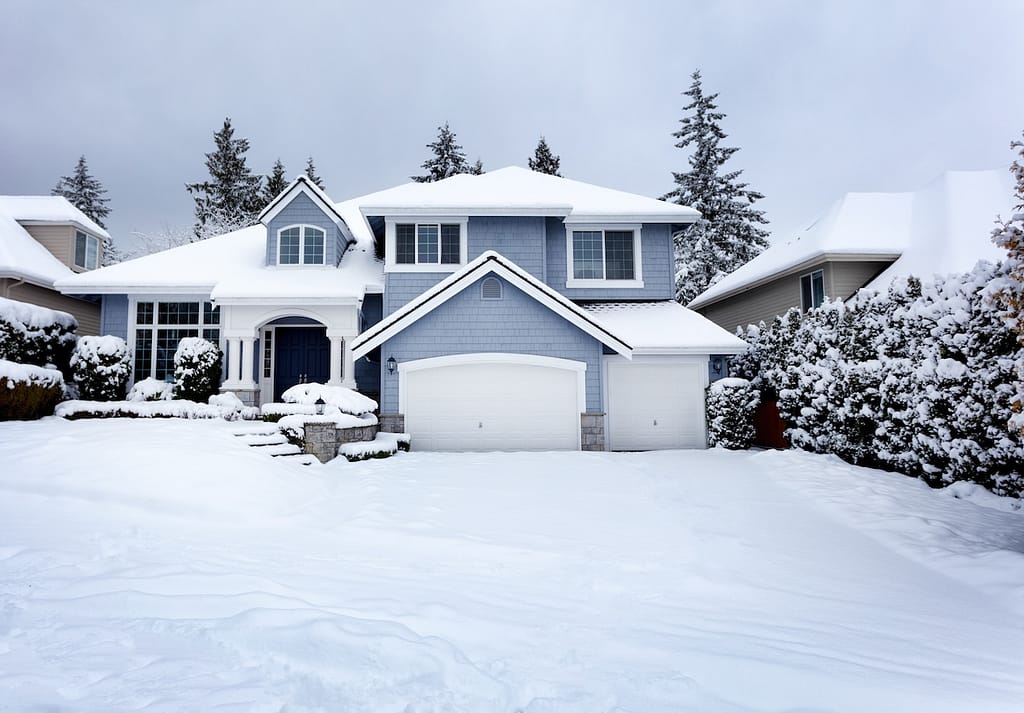
Local weather plays a huge role in determining the right slope.
- Heavy rainfall: Steeper slopes (3:12 or greater) promote rapid drainage and prevent leaks.
- Snow and ice: Moderate slopes prevent snow buildup and ice damming in winter.
- High winds: Lower slopes can sometimes perform better because they present less resistance to gusts.
For homeowners in Cedar Rapids and surrounding areas, balancing these factors ensures your roof is both practical and resilient year-round.
Why Professional Installation Is Essential
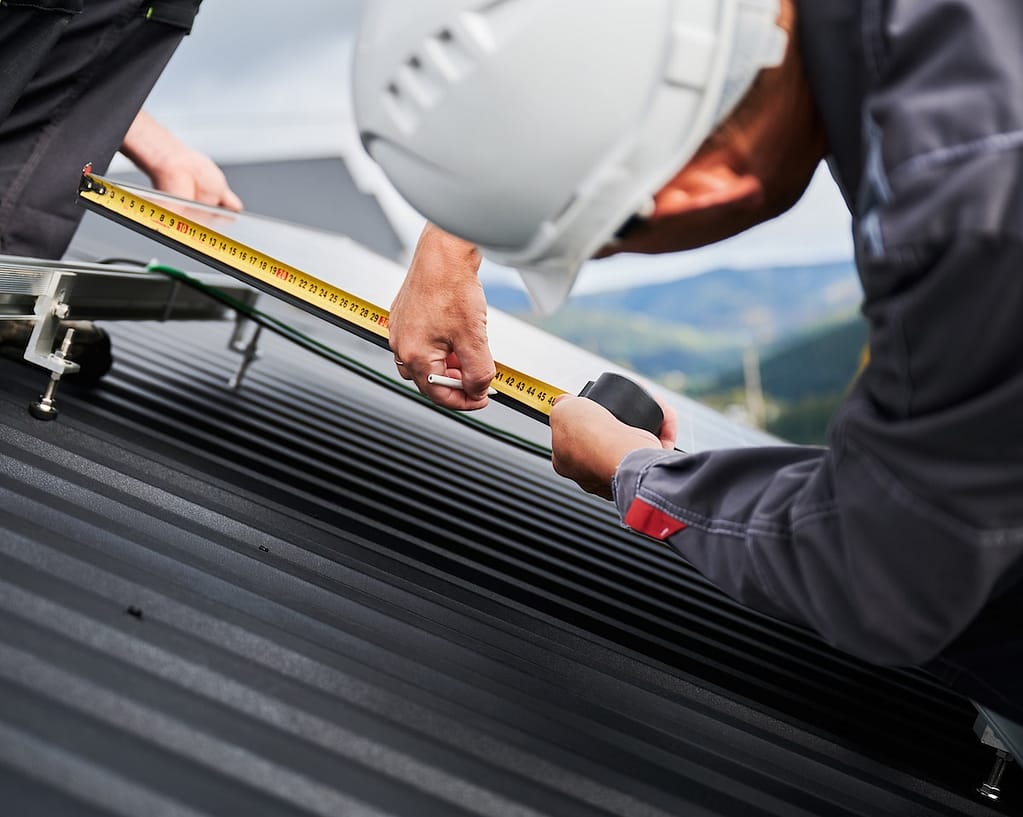
Installing metal roofs requires precise measurements, sealant application, and fastening techniques that align with the slope’s design. Professional contractors understand how slope affects performance and warranty coverage.
They’ll also ensure all transitions, flashing, and penetrations are properly sealed—key for preventing leaks in low-slope applications.
By partnering with a trusted roofing company in Cedar Rapids and surrounding areas, you’ll gain peace of mind knowing your roof is optimized for both beauty and durability.
Heartland Has You Covered
The minimum slope for metal roof systems is more than a technical measurement—it’s the foundation of long-term performance. By choosing the right slope, you’ll ensure better drainage, energy efficiency, and overall protection for your home.
Heartland proudly serves homeowners in Cedar Rapids and surrounding areas with expert metal roofing solutions designed for Iowa’s unique climate. Before making a final investment, it is crucial to determine if metal is the best fit for your home; for a complete comparison of durability, cost, and lifespan, review our analysis of metal roof vs. shingles. Whether you need help determining your roof’s slope or upgrading your system, our team is here to help.
Contact Heartland today to schedule your free roofing estimate and discover how the right slope can keep your home safe, efficient, and beautiful for decades to come.

Get Started Today!
From roofing to siding, Heartland Roofing is the team you need to take your home exterior to the next level. All you need to do is reach out! Fill out our contact form or give us a call to get the reliable help that you need.


