

Wind Damage Repair: How the Pros Handle It
October 09,2025
9 Minute Read
Wind damage repair is one of the most common services homeowners need after severe storms. Strong gusts can loosen shingles, tear off siding, damage gutters, or even compromise the structure of your roof. Knowing how professionals handle these repairs gives you peace of mind and helps you understand what to expect when the unexpected happens.
- Quick assessment: Pros know how to identify visible and hidden storm damage fast.
- Expert techniques: Specialized tools and skills ensure repairs are done right the first time.
- Long-term protection: Professional work helps prevent leaks, structural issues, and costly future repairs.
Common Types of Wind Damage
Not all wind damage looks the same. Sometimes it’s as obvious as missing shingles, and other times the problems are harder to spot without a trained eye.
Roof Shingle Damage
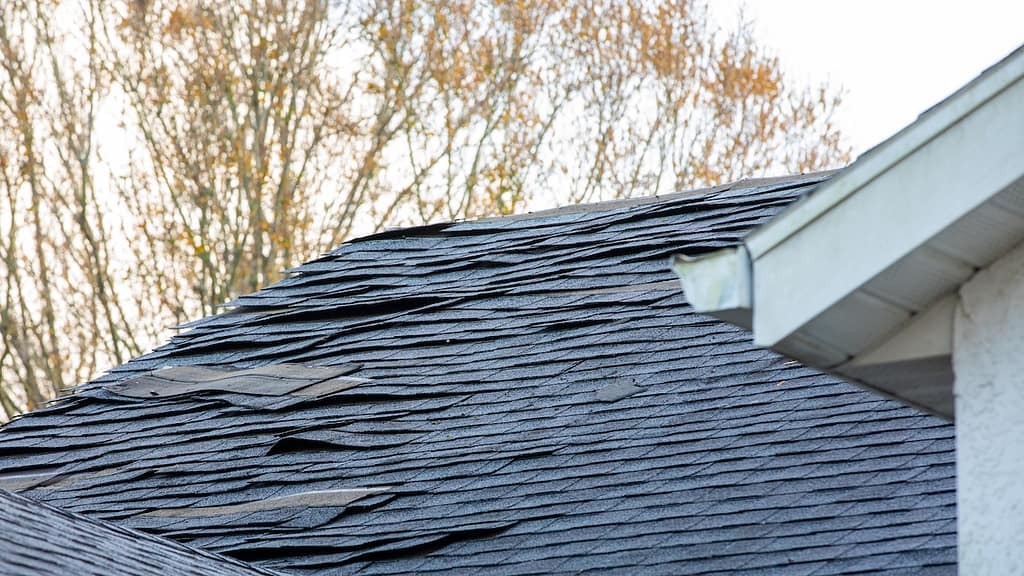
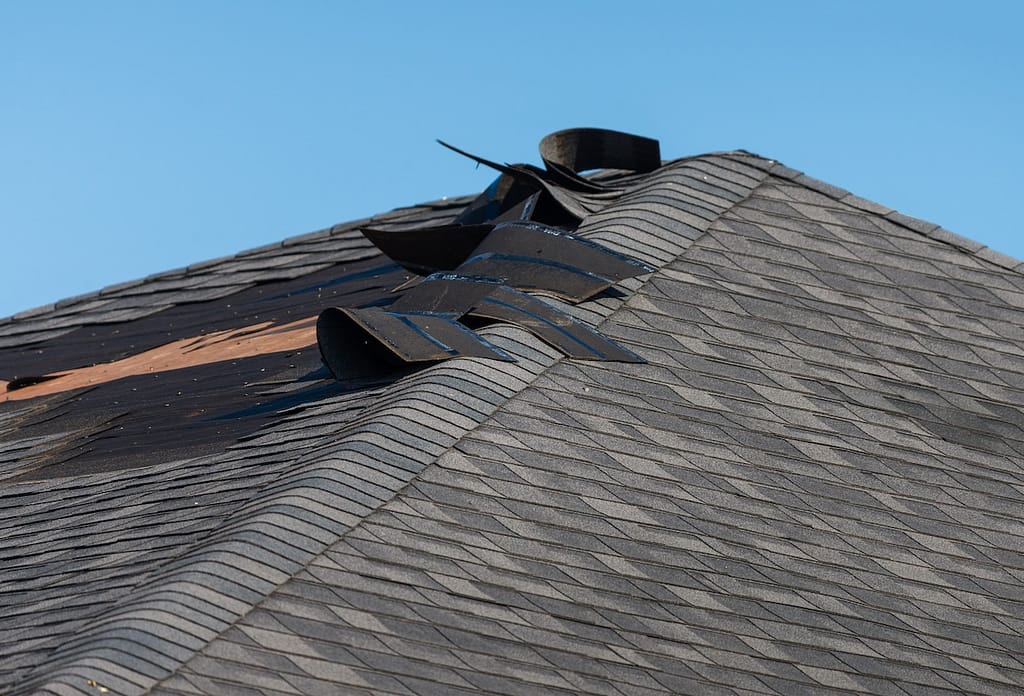
High winds often rip or curl shingles, leaving your roof vulnerable to leaks. Even if shingles are still in place, lifted edges can let water seep beneath them. Over time, this leads to rotting wood, mold, and water stains on ceilings. In areas like Johnston and surrounding neighborhoods where storms are frequent, shingle damage is one of the most common repair needs.
Siding and Exterior Issues
Vinyl and wood siding can crack, warp, or blow completely off during a storm. Even a small section of missing siding exposes your home to water infiltration and pest problems. Professionals know how to match and replace damaged panels seamlessly so your home looks just as it did before the storm.
Gutter and Downspout Damage
Wind often bends or detaches gutters, leaving water with no clear path away from your home. If not fixed quickly, this can lead to foundation issues or basement flooding. Contractors inspect gutters closely after storms and repair or replace damaged sections.
Window and Door Damage
Flying debris during windstorms can crack windows or break seals, leading to drafts and energy loss. Doors may also warp or shift from the pressure. Pros replace broken glass, reseal windows, and make sure frames remain airtight.
Hidden Structural Problems
Not all damage is visible. Wind can stress roof decking, loosen flashing, or shift chimneys slightly out of place. These hidden issues, if left unchecked, may cause costly repairs months later. This is why a detailed professional inspection is essential after a storm.
7 Step Guide: How Professionals Handle Wind Damage Repair
When you call in experts after a storm, there is a clear and structured process they follow to restore your home. Understanding each step helps homeowners know what to expect and ensures confidence in the repair process.
1. Initial Inspection
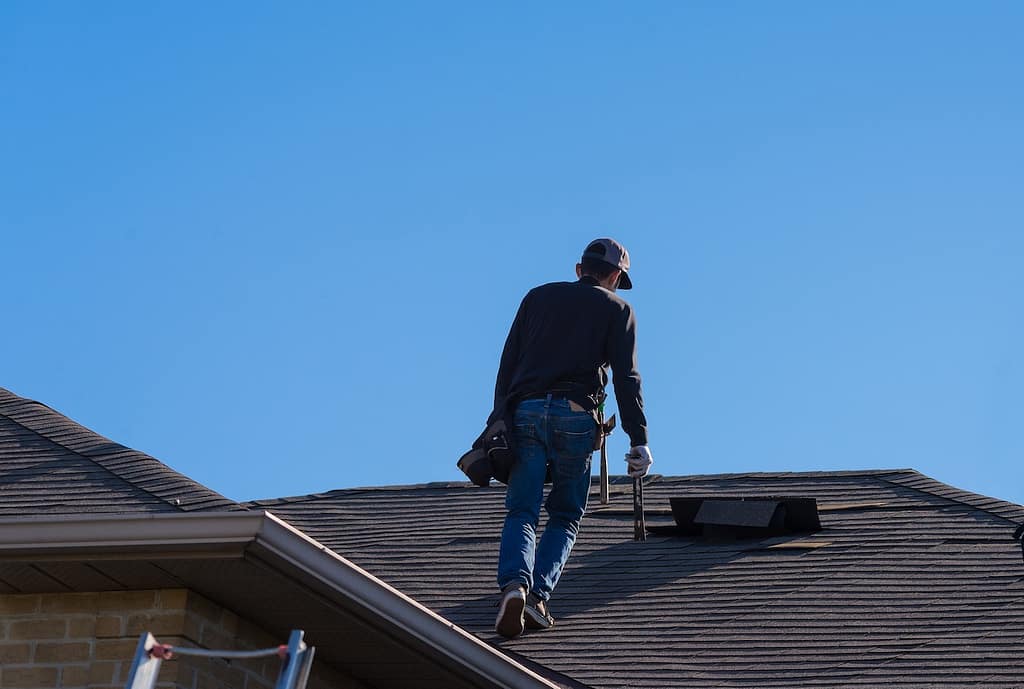
The first step in wind damage repair is a thorough inspection of all exterior and interior areas that may have been impacted. Professionals look beyond obvious damage to identify hidden issues that could worsen over time.
- Roof assessment: Check for lifted, missing, or creased shingles.
- Exterior review: Inspect siding, gutters, and windows for visible damage.
- Interior check: Look for signs of leaks, moisture, or ceiling stains.
- Comprehensive evaluation: Identify both immediate and potential future problems.
2. Damage Documentation
Proper documentation is critical, especially when insurance claims are involved. Contractors gather detailed records to support the repair process and provide transparency.
- Photo evidence: Capture clear images of all damaged areas.
- Video documentation: Provide additional visual proof of damage severity.
- Detailed notes: Record specific issues and affected materials.
- Insurance support: Help streamline the claims process with accurate documentation.
3. Temporary Protection
Before permanent repairs begin, contractors take steps to prevent further damage. This is especially important if your home is exposed to the elements.
- Tarp installation: Cover exposed roof areas to stop water intrusion.
- Leak prevention: Protect vulnerable sections from additional moisture.
- Short-term stability: Secure loose materials to reduce further damage.
- Immediate response: Minimize risk while waiting for full repairs.

4. Repair Plan Creation
After assessing the damage, professionals develop a clear and detailed repair plan. This step ensures homeowners understand the scope, cost, and timeline of the project.
- Written estimate: Outline materials, labor, and total cost.
- Project timeline: Provide expected start and completion dates.
- Material selection: Recommend products suited for durability and performance.
- Clear expectations: Ensure homeowners know what the process involves.
5. Restoration Work
This is the core phase where damaged components are repaired or replaced. Skilled workmanship is essential to restore both function and appearance.
- Roof repairs: Replace shingles, repair underlayment, and reinforce flashing.
- Siding restoration: Repair or replace panels to match existing exterior.
- Material upgrades: Use high-quality products for long-term durability.
- System restoration: Ensure all components work together effectively.
6. Structural Reinforcement
Wind damage can affect more than just surface materials. Structural components may also need attention to ensure long-term stability.
- Decking repair: Replace weakened or damaged roof decking.
- Gutter reinforcement: Secure or replace compromised gutter systems.
- Chimney inspection: Address any structural concerns caused by wind impact.
- Long-term integrity: Strengthen the home against future storms.
7. Final Inspection and Cleanup
The final step ensures all repairs meet quality standards and that the property is left clean and safe. This step is just as important as the repair itself.
- Quality check: Verify all repairs are properly completed.
- Safety review: Ensure no loose materials or hazards remain.
- Debris removal: Clean up nails, shingles, and construction waste.
- Final walkthrough: Confirm homeowner satisfaction with the completed work.
Costs of Wind Damage Repair
The cost of wind damage repair varies widely depending on the type and extent of the damage. Home size, materials, and labor rates all influence pricing, especially in active storm markets like Ankeny and surrounding areas where demand can drive costs higher.
- Structural reinforcement: Repairs involving roof decking, framing, or structural components often start around $2,000 and can exceed $10,000 depending on the extent of the damage.
- Shingle repairs: Minor repairs for a few shingles typically cost $250–$800. Moderate roof repairs often range from $1,500–$4,500 depending on damage severity and roof access.
- Full roof sections: Replacing larger sections of roofing usually ranges from $6,000–$15,000 depending on size, pitch, and material type.
- Siding repairs: Small panel replacements generally cost $500–$1,800, while larger siding sections can range from $6,000–$12,000 or more depending on material and color matching.
- Gutter repairs: Repairing or replacing damaged gutters typically runs $300–$2,000 depending on linear footage and material quality.
- Window replacement: Replacing a storm-damaged window usually costs $700–$2,000 per window depending on size and energy efficiency features.
Navigating Wind Damage Claims After a Storm
Dealing with wind damage claims can feel overwhelming, especially after stressful storm damage has impacted multiple parts of your home. From missing shingles to potential structural damage, the situation often requires quick decisions and clear documentation. Understanding the restoration process can help homeowners stay organized and avoid delays when working with contractors and insurance providers.
- Safety first: Stay clear of hazards like downed power lines and unstable structures before assessing damage.
- Document everything: Take photos and notes immediately to support wind damage claims.
- Contact your insurer early: Prompt communication helps move the restoration process forward faster.
- Work with professionals: Contractors can identify hidden structural damage that may not be visible.
- Stay organized: Keep all estimates, receipts, and reports in one place to simplify the restoration process.
Taking the right steps early not only improves the outcome of wind damage claims but also reduces stress throughout the restoration process.
Why Professional Repairs Are Essential
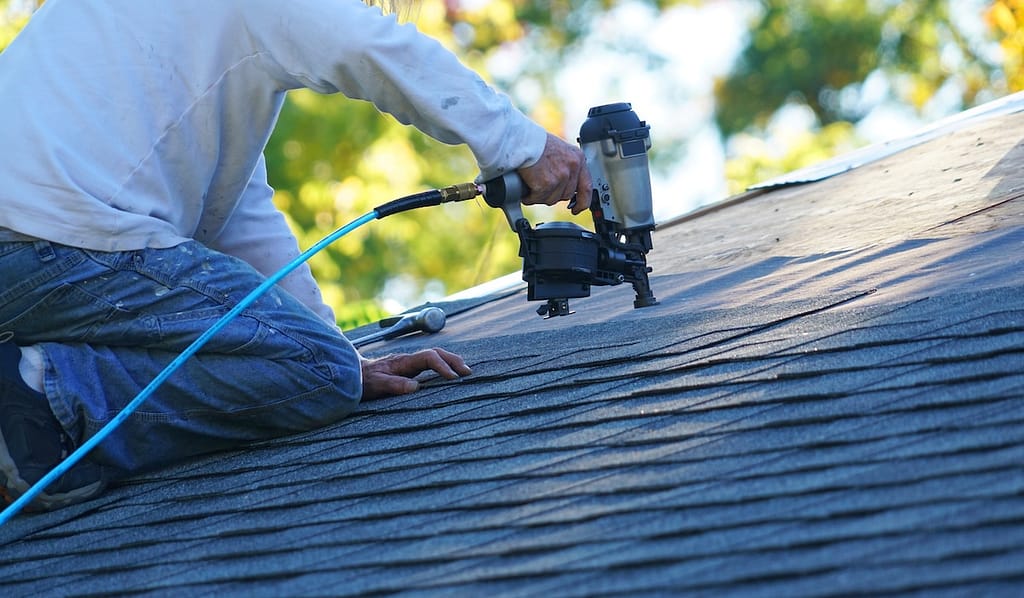
While it might be tempting to climb up and patch shingles yourself, professional repairs provide unmatched protection and reliability.
Safety and Experience
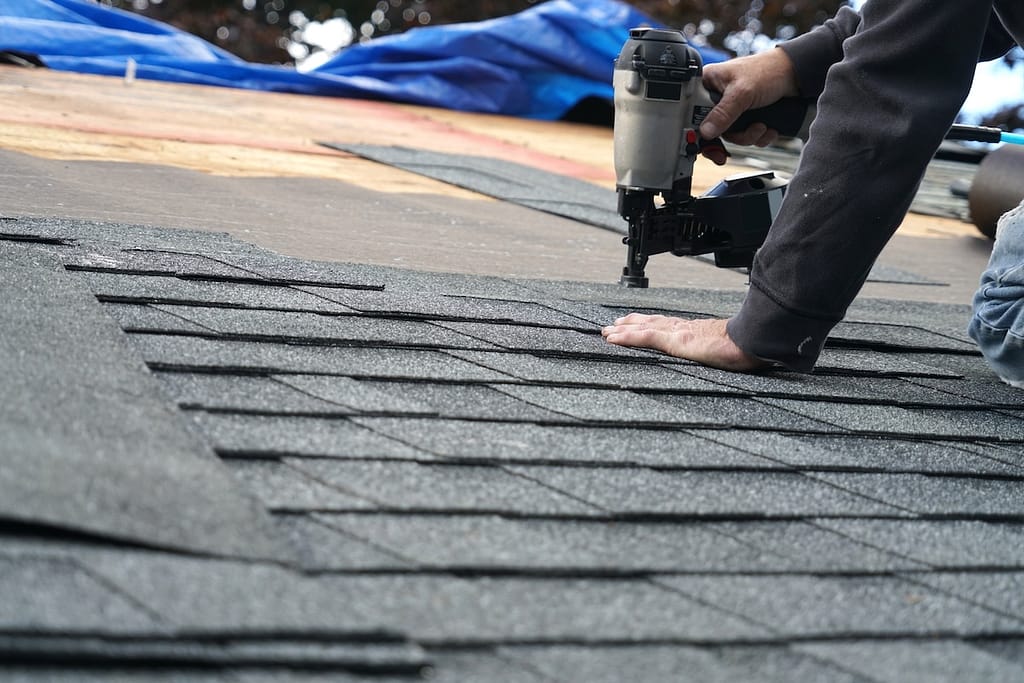
Roofing and siding repairs are dangerous without the right training and tools. Pros work with harnesses, ladders, and specialized equipment to stay safe. More importantly, they can recognize less obvious damage that homeowners might overlook, preventing bigger issues later.
Insurance Claim Support
Storm repairs often require dealing with insurance adjusters. Professional contractors help file claims, provide proper documentation, and even meet with adjusters to ensure you get the coverage you deserve. This kind of support can save you time and stress during an already difficult situation.
Quality Materials and Workmanship
Professionals use materials rated to withstand high winds, impact, and heavy rains. Combined with their precise installation techniques, these upgrades keep your home stronger for the long haul. In places like Cedar Rapids and surrounding areas, this can make all the difference when the next storm rolls through.
Preventing Future Wind Damage
You can’t stop storms from happening, but there are steps you and your contractor can take to reduce the risk of future damage.
- Schedule annual inspections: Have a professional inspect your roof, siding, and gutters at least once a year to catch small issues early.
- Maintain your home’s exterior: Keep gutters clear, trim nearby trees, and repair loose shingles or siding as soon as they’re spotted.
- Upgrade to stronger materials: Consider impact-resistant shingles, reinforced siding, or gutter guards for extra protection.
- Secure outdoor features: Patio furniture, grills, and decorations should be anchored or stored before storms to prevent them from becoming dangerous projectiles.
- Invest in professional installation: Materials are only as strong as the installation. Proper fastening and sealing prevent wind from getting underneath your siding or roofing.
Restoring Your Home After the Storm
When powerful winds strike, your home’s exterior can take a serious hit. Understanding how experts handle wind damage repair helps you see the value of hiring professionals who know how to restore your home correctly. From quick assessments to seamless repairs and preventive upgrades, pros ensure your home is safe, secure, and ready for the future.
At Heartland, we specialize in protecting homes across Iowa communities like Ames and surrounding areas. Our experienced team is dedicated to restoring your home quickly and effectively, using high-quality materials built to last. If your home has suffered storm damage, contact Heartland today and find out why we’re the trusted choice for homeowners across the region.

Get Started Today!
From roofing to siding, Heartland Roofing is the team you need to take your home exterior to the next level. All you need to do is reach out! Fill out our contact form or give us a call to get the reliable help that you need.


